
The Importance of Breakfast: How Your Morning Meal Can Support Your Health
Breakfast is often called the most important meal of the day, but is there research to support that claim? While...


Last updated: February 5, 2026
Stress affects everyone, but did you know your diet plays a significant role in managing it? Research highlights that certain dietary patterns and nutrients can enhance resilience, reduce stress, and improve overall mental health. Let’s explore how you can harness the power of nutrition for better stress management.
Chronic inflammation exacerbates stress and mood disorders. Anti-inflammatory diets like the Mediterranean diet—rich in fruits, vegetables, whole grains, nuts, and olive oil—combat inflammation and support brain health. Studies show that individuals who follow these diets are less likely to experience depressive symptoms (Lassale et al., 2018). Incorporating these foods into your meals can help you feel more balanced.
The gut-brain axis is a vital connection between your digestive and mental health. A fiber-rich diet with fermented foods like yogurt and kimchi promotes a healthy gut microbiome, which in turn reduces stress and enhances emotional regulation (Sherwin, Dinan, & Cryan, 2018). Aim to include prebiotic and probiotic foods to support your gut and mind.
Calcium isn’t just for bones—it also plays a role in regulating mood and stress hormones. Higher dietary calcium intake has been linked to reduced depressive symptoms in adults. Incorporate dairy products, fortified plant-based milks, and leafy greens like kale to boost your calcium levels (Shen et al., 2019).
By adopting these dietary strategies, you can take a proactive approach to stress management and improve your overall well-being.
References
Lassale, C., Batty, G. D., Baghdadli, A., et al. (2018). Healthy dietary indices and risk of depressive outcomes: A systematic review and meta-analysis of observational studies. Molecular Psychiatry, 23(3), 611-619. https://doi.org/10.1038/mp.2017.26
Sherwin, E., Dinan, T. G., & Cryan, J. F. (2018). Recent developments in understanding the role of the gut microbiota in brain health and disease. Annals of the New York Academy of Sciences, 1420(1), 5-25. https://doi.org/10.1111/nyas.13416
Shen, X., Li, Y., Li, J., et al. (2019). Dietary calcium intake and depressive symptoms in adults: A cross-sectional analysis using NHANES data. Nutrients, 11(6), 1242. https://doi.org/10.3390/nu11061242
Last updated: February 5, 2026
AZ Dietitians offers in-person and virtual appointments for Arizona clients. Now offering telehealth services for clients in Colorado, Utah, and California.
Breakfast is often called the most important meal of the day, but is there research to support that claim? While...
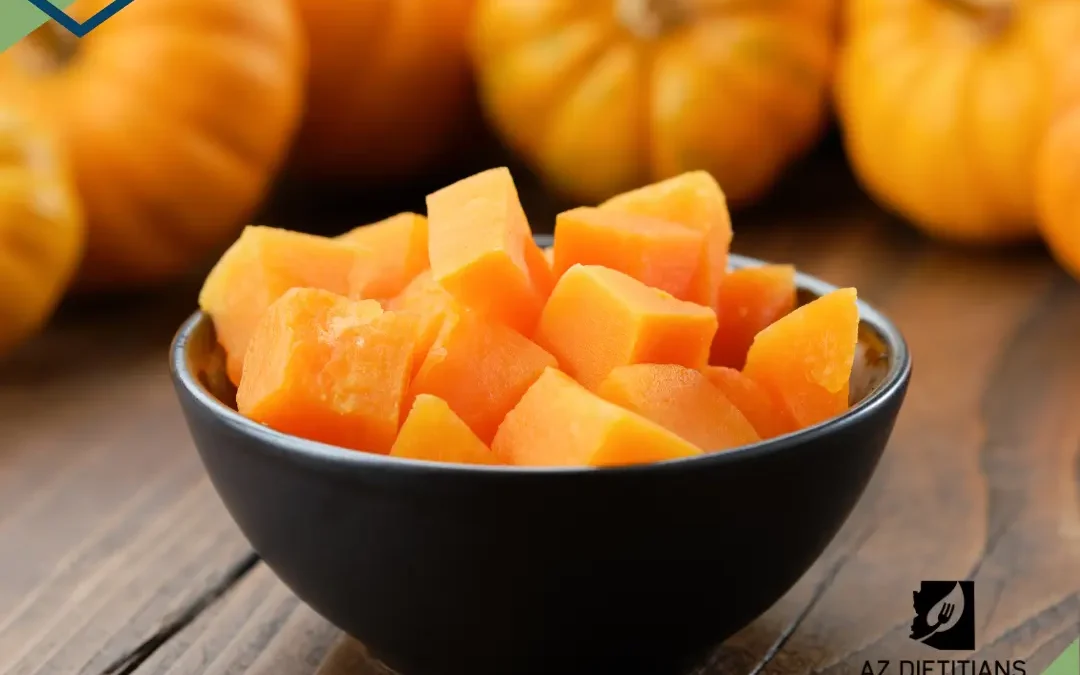
Pumpkin is more than a seasonal favorite! Packed with vitamins, minerals, fiber, and beneficial plant compounds, pumpkin flesh, seeds, and oil offer a variety of nutritional benefits. Discover how pumpkin can support your overall wellness and explore simple ways to enjoy this versatile ingredient in your everyday meals.
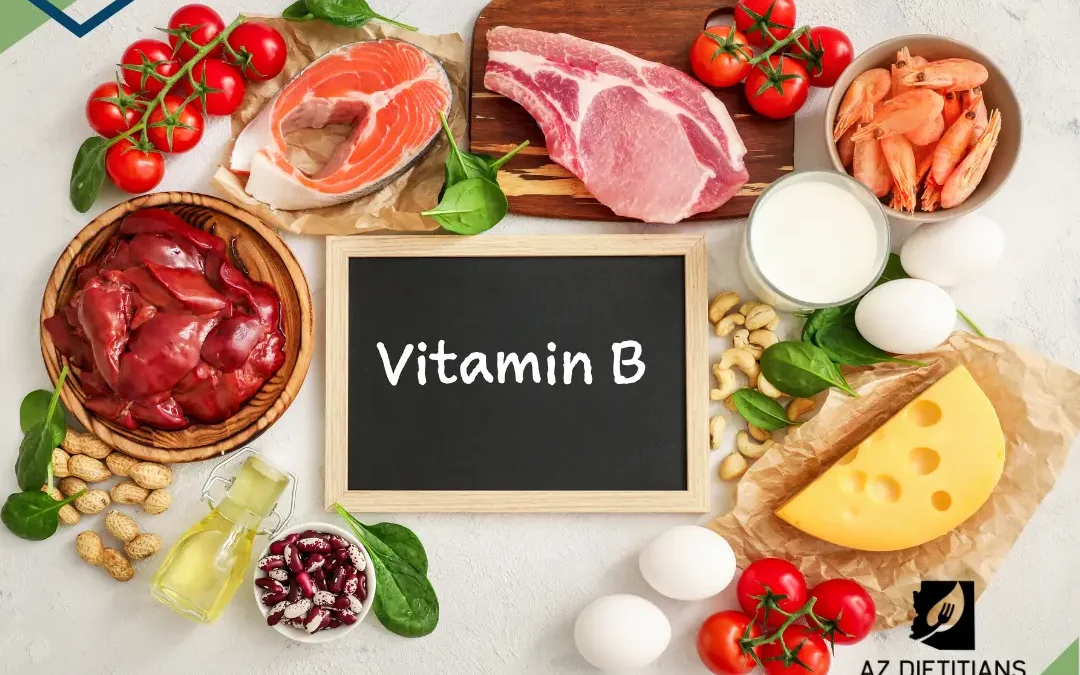
B vitamins play essential roles in energy production, metabolism, nerve function, and overall health. Discover the eight B vitamins, what each one does, and which foods can help you meet your nutritional needs.

Retatrutide is an investigational peptide generating excitement for its potential effects on weight loss, blood sugar, and metabolic health. Learn what current research says about how it works, how it compares to Ozempic, and important safety concerns to consider.