Last updated: July 8, 2026
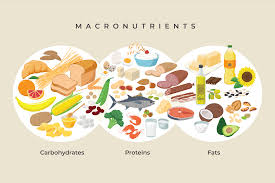
A balanced diet is one of the biggest keys to health. However, many people ask the question: what is a balanced diet and how do I create one? A balanced diet consists of consuming the proper amount of the different macronutrients, which are protein, carbohydrates, and fats. So, to create a balanced diet, you must first understand macronutrients. There are different levels of understanding macronutrients including what they are, what they do, where you can find them, and how much of each you need. Let’s dive in!
Understanding Macronutrients for a Balanced Diet: Protein, Carbohydrates, and Fats
Protein
Proteins are made of small units known as amino acids. Often, people connect protein with energy. However, even though they do provide some energy to the body, they are not the most energy efficient macronutrient. Instead, proteins serve many other functions in the body including muscle maintenance and growth, immune system function, enzyme and hormone production, and transport in and out of cells.
As mentioned before, proteins are made of amino acids, and the human body needs 20 specific amino acids to perform all its functions. The body can make 11 of those amino acids but the other 9 we must get from the food that we eat. These amino acids are considered essential and when a protein contains all nine essential amino acids, it’s considered a complete protein. Other foods contain only some of the 9 essential amino acids but complement each other, becoming complete when eaten together. These combinations are called complementary proteins. When creating meals, it’s important to include a complete protein or pair of complementary proteins.
Complete Proteins:
- Meat
- Poultry
- Fish
- Quinoa
- Soy
Complementary Proteins:
- Beans + Rice
- Yogurt + Nuts
- Whole grain bread + Peanut butter
Carbohydrates
Carbohydrates are often viewed negatively. However, they play a major role in our body! Carbs break down into the sugar known as glucose, which is the body’s main source of energy. Glucose can be stored in the muscle as glycogen to provide easily accessible energy to the body. Carbohydrates also include fiber, which is super beneficial to our gut health and GI regulation. Carbs can usually be found in processed foods that are full of added sugars and preservatives, giving them a bad rap. However, carbs can also be found in whole foods which are much healthier for the body.
Carbohydrate-rich foods include:
- Whole grains
- Legumes (Beans, Quinoa)
- Potatoes
- Fruit
Fats
Fats are once again often viewed negatively. However, they are an essential part of a balanced diet. Fats are the most energy dense out of all the macronutrients and serve many functions in the body. In addition, fats are responsible for maintaining cell membranes, creating sex hormones, storing energy, and absorption of fat-soluble vitamins.
Fats can be separated into saturated and unsaturated fats, both of which are found naturally in many whole foods. Saturated fats are typically higher in cholesterol and so should be consumed in smaller amount compared to unsaturated fats. A good rule of thumb when determining if a fat is saturated or unsaturated is that saturated fats are solid at room temperature while unsaturated fats are liquid at room temperature.
Saturated fat foods:
- Butter
- Coconut oil
- Red meats
- Cheese
Unsaturated fat foods:
- Avocados
- Vegetables oils
- Nuts
- Fatty fish
Creating a Balanced Meal and an Overall Balanced Diet
Creating a balanced meal is simple when understanding the purpose of each macronutrient. It’s important that each macronutrient is included on your plate. A good rule of thumb to follow is to allow about half of your plate to be fruits and vegetables, a quarter to be protein, and a quarter to be carbs, using healthy fats to cook your food. Enjoy the process of giving your body what it needs to fuel your best health!
References:
Espinosa-Salas, Santiago, and Mauricio Gonzalez-Arias. “Nutrition: Macronutrient Intake, Imbalances, and Interventions.” StatPearls [Internet], StatPearls Publishing, 8 Aug. 2023, https://www.ncbi.nlm.nih.gov/books/NBK594226/. Accessed 13 Apr. 2026.
Written By: AZ Dietitians
Last updated: July 8, 2026