
The Importance of Breakfast: How Your Morning Meal Can Support Your Health
Breakfast is often called the most important meal of the day, but is there research to support that claim? While...


Last updated: February 5, 2026
In today’s fast-paced world, stress and anxiety have become all too common, especially among students and young professionals. While exercise and mindfulness are well-known strategies for managing mental health, nutrition plays a crucial, often overlooked role. What you eat can significantly impact your mood, energy levels, and overall mental well-being. Let’s explore how making the right dietary choices can help combat stress and boost your mental health.
1. Omega-3 Fatty Acids
Omega-3s, especially EPA and DHA, are essential for brain health and have been shown to reduce symptoms of anxiety and depression. These healthy fats support neurotransmitter function, which helps regulate mood.
2. B-Vitamins
B-vitamins, particularly B6, B12, and folate, play a critical role in producing serotonin and dopamine—neurotransmitters that help manage stress and enhance mood.
3. Magnesium
Known as the “relaxation mineral,” magnesium helps calm the nervous system and can improve sleep quality, which is essential for stress management.
Incorporating brain-boosting foods doesn’t have to be complicated. Here are some stress-relief powerhouses:
Simple Idea: Try a spinach and avocado salad with salmon or sprinkle pumpkin seeds on your yogurt for a mood-boosting snack.
Certain foods can contribute to increased stress and anxiety:
Tip: Gradually reduce sugar and caffeine by swapping sodas for herbal teas or choosing natural sweeteners like honey.
Mindful eating isn’t just about what you eat but how you eat. It involves paying full attention to the experience of eating and listening to your body’s hunger cues.
Your diet has a profound impact on your mental health. By incorporating nutrient-rich foods and practicing mindful eating, you can better manage stress and support overall well-being. Small, sustainable changes can make a big difference.
Last updated: February 5, 2026
AZ Dietitians offers in-person and virtual appointments for Arizona clients. Now offering telehealth services for clients in Colorado, Utah, and California.
Breakfast is often called the most important meal of the day, but is there research to support that claim? While...
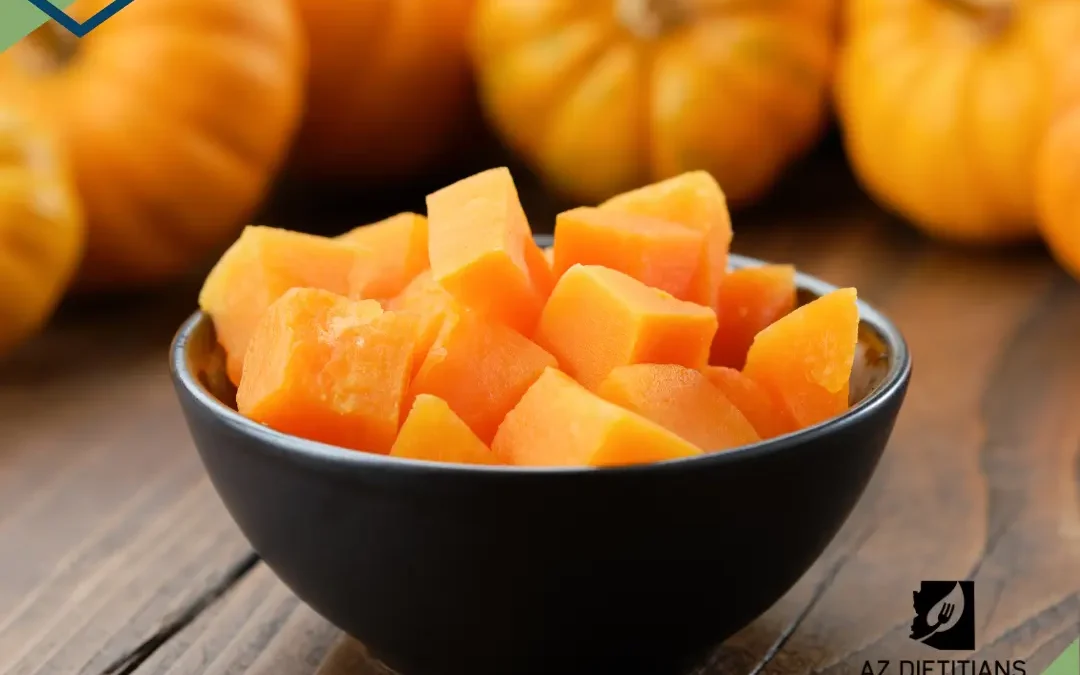
Pumpkin is more than a seasonal favorite! Packed with vitamins, minerals, fiber, and beneficial plant compounds, pumpkin flesh, seeds, and oil offer a variety of nutritional benefits. Discover how pumpkin can support your overall wellness and explore simple ways to enjoy this versatile ingredient in your everyday meals.
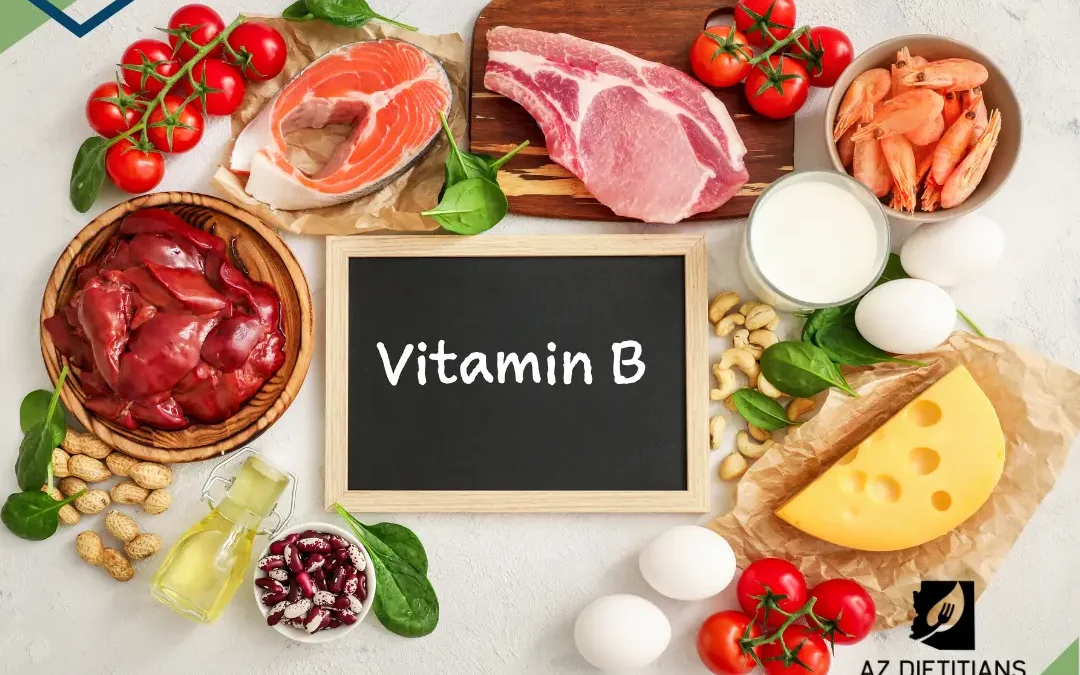
B vitamins play essential roles in energy production, metabolism, nerve function, and overall health. Discover the eight B vitamins, what each one does, and which foods can help you meet your nutritional needs.

Retatrutide is an investigational peptide generating excitement for its potential effects on weight loss, blood sugar, and metabolic health. Learn what current research says about how it works, how it compares to Ozempic, and important safety concerns to consider.