Understanding the B Vitamins
Understanding The B Vitamins by AZ Dietitians | 10/12/26 Ever wonder why there is so much emphasis on making sure we...

Last updated: July 23, 2026
It’s easy to separate your body and mind, forming them in your head as two different entities that are unaffected by each other. However, we know that this is not true. Rather, the two are fully connected with the condition of our physical bodies affecting our mental health, and our mental health affecting our bodies. Though this connection might not be news to you, there is one specific connection between mind and body that may come as a surprise. What is it? The gut microbiome and mental health!
Mental health disorders have been on the rise throughout the last few years to the point where most people have experienced a mental health struggle at some point in their life. Specifically, depression and anxiety are through the roof making it necessary to continually search for treatment and prevention strategies. Oftentimes, people fight mental health through medications, therapy/counseling, coping mechanisms, self-expression, and exercise. Though all of these have proven to help mental health, recent research is showing that balancing the gut microbiome may also significantly improve mental health, preventing or treating disorders such as depression and anxiety.
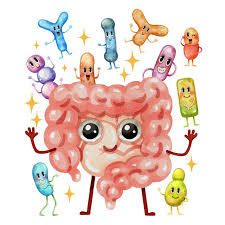
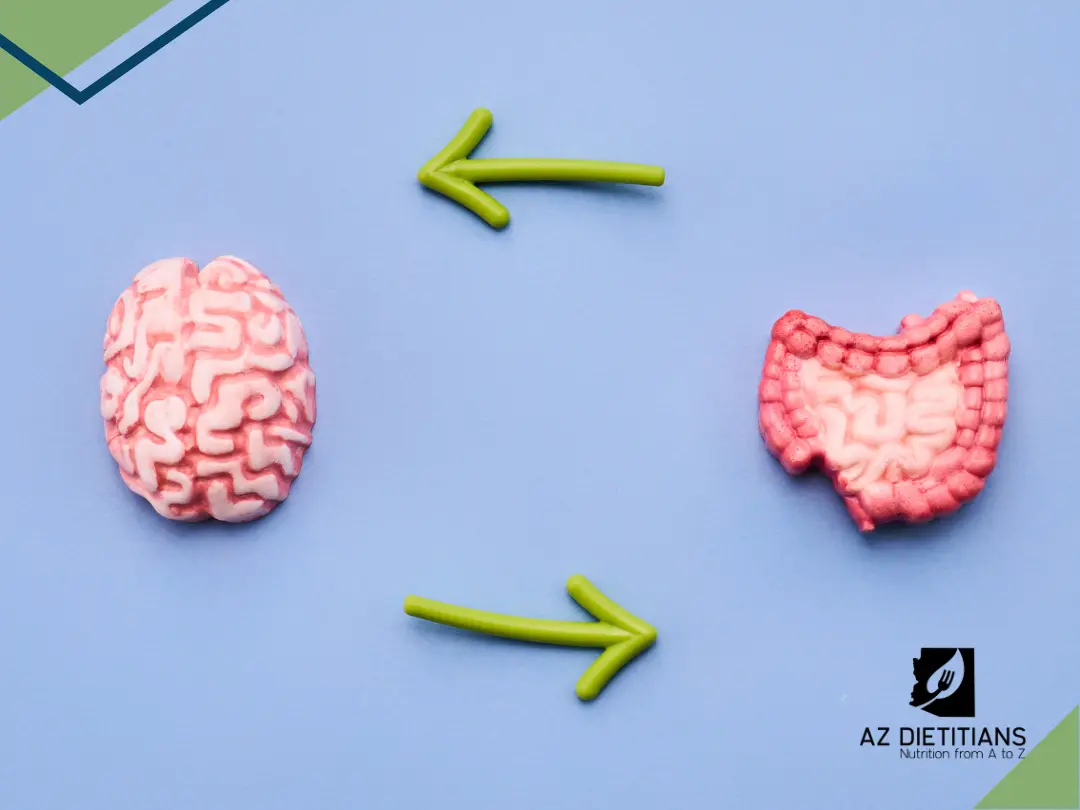
The gut-brain axis is used to describe a network of communication that happens between the gut microbiome and the brain. The human gut is full of trillions of beneficial bacteria who help the body in many of its functions. It is these bacteria that are responsible for communicating with the brain through the immune system, nervous system, and our hormones. When studying the gut-brain axis deeper, researchers found that in fact, people who experienced imbalanced gut bacteria were more likely to experience symptoms of depression, anxiety, and other mental health disorders. This could possibly mean that improving gut health may treat and prevent these mental health disorders. Let’s dive deeper into this relationship!
As mentioned before, the gut microbiome affects the brain through three different pathways: the immune system, the nervous system, and the endocrine system (hormones). Let’s take a closer look at each of these three:
Immune system: A balanced gut microbiome is a key player in controlling inflammation in the body. High levels of inflammation directly affect the brain due to stress levels in the body. Therefore, a balanced gut leads to less inflammation and better brain health.
Nervous system: Certain bacteria found in the gut are responsible for producing neurotransmitters including dopamine and serotonin, both of which play massive roles in mood regulation.
Endocrine system: The gut microbiome plays a role in the production of cortisol, managing stress load. An imbalanced microbiome can mess with cortisol levels and therefore stress levels, negatively impacting mental health.
What’s the Takeaway?
So, what should you take away from all this? Well, there is still research to be done on this topic, but what we do know for sure is that a healthy gut microbiome may lead to much healthier mental wellbeing and a healthier you in general! Gut health can be supported through probiotic supplementation, fermented foods, and a balanced fiber-rich diet!
References:
Last updated: July 23, 2026
AZ Dietitians offers in-person and virtual appointments for Arizona clients. Now offering telehealth services for clients in Colorado, Utah, and California.
Understanding The B Vitamins by AZ Dietitians | 10/12/26 Ever wonder why there is so much emphasis on making sure we...

Retatrutide is an investigational peptide generating excitement for its potential effects on weight loss, blood sugar, and metabolic health. Learn what current research says about how it works, how it compares to Ozempic, and important safety concerns to consider.

Fasting can affect women differently depending on factors like age, activity level, hormonal health, and reproductive status. Learn what research says about intermittent fasting, PCOS, menstrual health, bone density, and more.

Could the ultra-processed foods you eat regularly be affecting your brain health? Learn about the potential connections between ultra-processed foods, memory, mood, inflammation, and cognitive health, along with simple ways to make more nutritious choices.