
The Importance of Breakfast: How Your Morning Meal Can Support Your Health
Breakfast is often called the most important meal of the day, but is there research to support that claim? While...


Last updated: February 5, 2026
Osteoporosis is a disease that weakens your bones. The bone mineral density and bone mass decreases and individuals with this disease are more likely to experience a fracture or a broken bone. To prevent this weakening of the bones and further bone density loss, it is important to supplement the diet with calcium supplements. Since there are rarely symptoms of osteoporosis, it is important to be proactive in calcium supplementation.
Osteoporosis can happen to anyone at any age, but most commonly in older women. Certain medications can increase the risk of developing the condition. Other factors that may increase risk are listed below:
Chances of developing osteoporosis are greater in women than in men. Women typically have smaller bones than men and a lower bone mass.
Older age leads to a greater and quicker bone loss. Over time, bones can weaken and risk for osteoporosis becomes greater.
White and Asian women are at the highest risk, and white men are at the higher risk for men.
Having parents with a history of fractures or osteoporosis could increase your risk for developing the disease.
A diet low in calcium and vitamin D can increase osteoporosis risk as well as fractures. Low protein intake can also increase risk for bone loss.
Too little calcium in the diet is a major risk factor for weak bones or bone loss. The body needs calcium to build and maintain bone strength. Individuals who already have the condition should supplement with 500-600mg of calcium to minimize their risk for falls, bone breaks, and fractures.
Individuals that do not have enough calcium in their body lack the ability to rebuild bone, maintain bone density, and are at a higher risk for bone loss. It is important to eat a diet rich in calcium as well as supplement with 500-600mg per day if you already have bone loss or weakening. Foods rich in calcium include dairy products such as milk, yogurt, and cheese. Sardines and salmon are rich in calcium as well as leafy green vegetables, fortified foods such as cereals, milk substitutes and tofu, as well as nuts and seeds.
Individuals with osteoporosis are at a much higher risk for fractures and bone breaks. Supplementing the diet with calcium rich foods as well as 500-600mg of calcium supplementation is a great way to ensure that you are giving your body enough calcium to prevent bone loss and maintain bone density and strength. Do you have specific questions regarding your bones and bone health? Reach out to our Registered Dietitians today!
Last updated: February 5, 2026
AZ Dietitians offers in-person and virtual appointments for Arizona clients. Now offering telehealth services for clients in Colorado, Utah, and California.
Breakfast is often called the most important meal of the day, but is there research to support that claim? While...
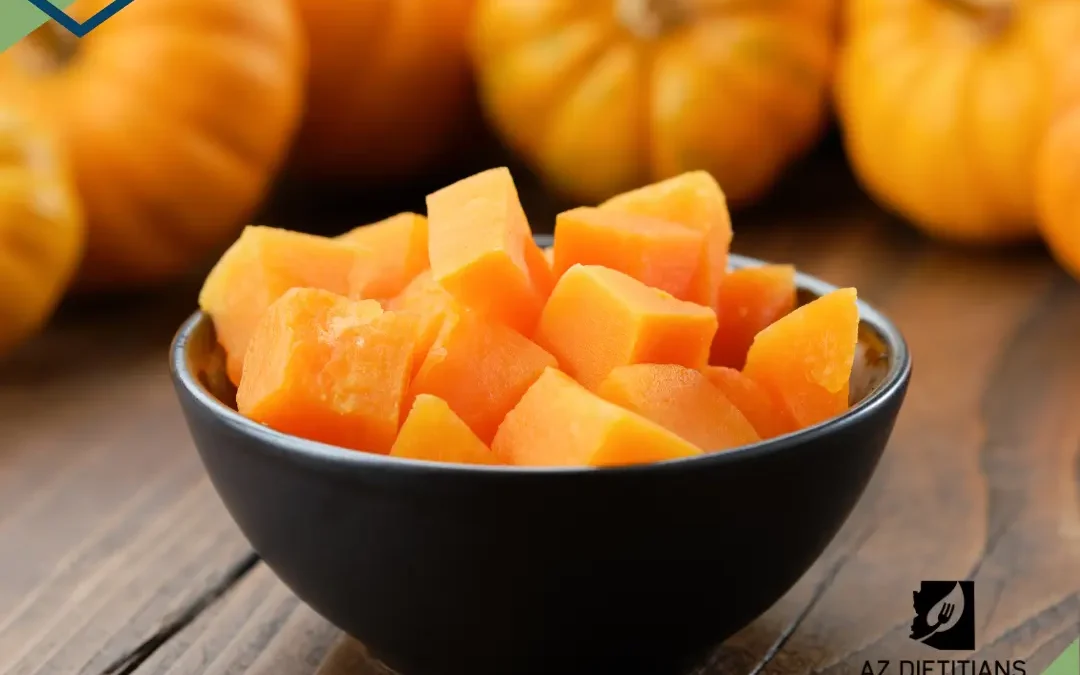
Pumpkin is more than a seasonal favorite! Packed with vitamins, minerals, fiber, and beneficial plant compounds, pumpkin flesh, seeds, and oil offer a variety of nutritional benefits. Discover how pumpkin can support your overall wellness and explore simple ways to enjoy this versatile ingredient in your everyday meals.
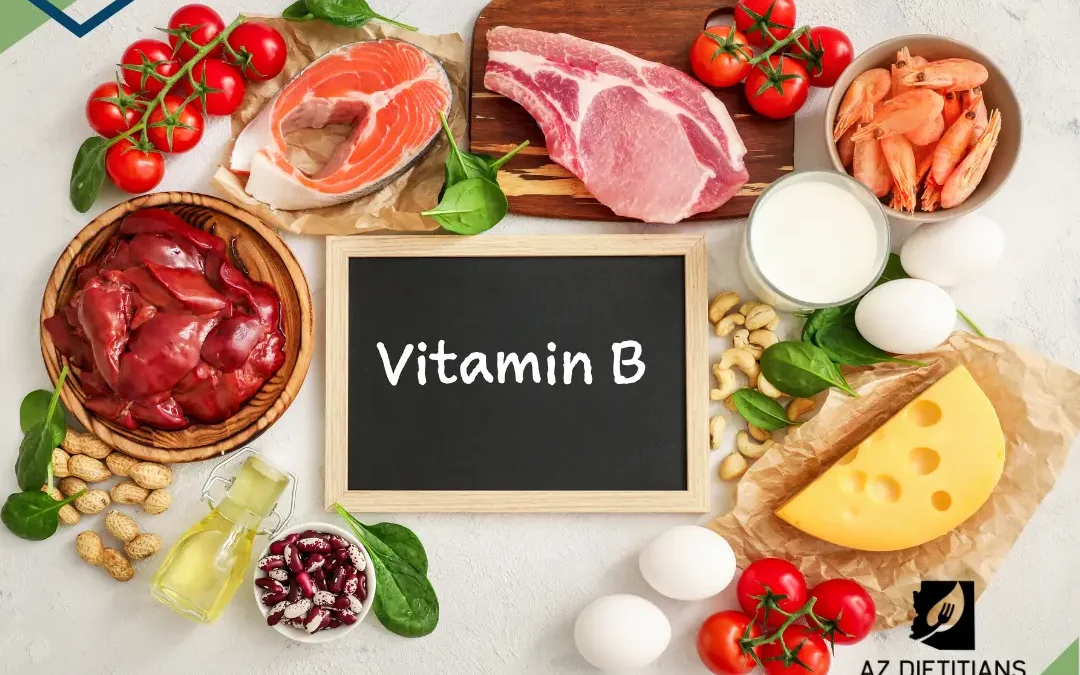
B vitamins play essential roles in energy production, metabolism, nerve function, and overall health. Discover the eight B vitamins, what each one does, and which foods can help you meet your nutritional needs.

Retatrutide is an investigational peptide generating excitement for its potential effects on weight loss, blood sugar, and metabolic health. Learn what current research says about how it works, how it compares to Ozempic, and important safety concerns to consider.