Last updated: July 15, 2026
Heart disease is the leading cause of death in the US today. Because of its commonality, it’s easy to be afraid of developing it. However, heart disease is many times the result of poor lifestyle choices and can be avoided through different medications or lifestyle interventions. One of the biggest interventions is the simplest to partake in!
Cholesterol and Heart Disease
Most commonly, heart disease is used to describe when fatty plaques build up on the lining of arteries. These plaques build up when LDL cholesterol carries cholesterol through the bloodstream and deposits it in the artery walls. Often times, people with excess levels of LDL cholesterol are at higher risk for developing heart disease. However, LDL cholesterol is in many of the foods that are commonly consumed by people each day. So, how can we keep these levels in control?
Many times, people begin taking pharmaceutical drugs called statins, which cause the body to stop creating cholesterol and forces the body to remove LDL cholesterol from the bloodstream. These drugs are effective. However, there is another more natural way to lower LDL cholesterol, and it involves very little lifestyle change. What is this change? The answer is increasing fiber!
What is Fiber?
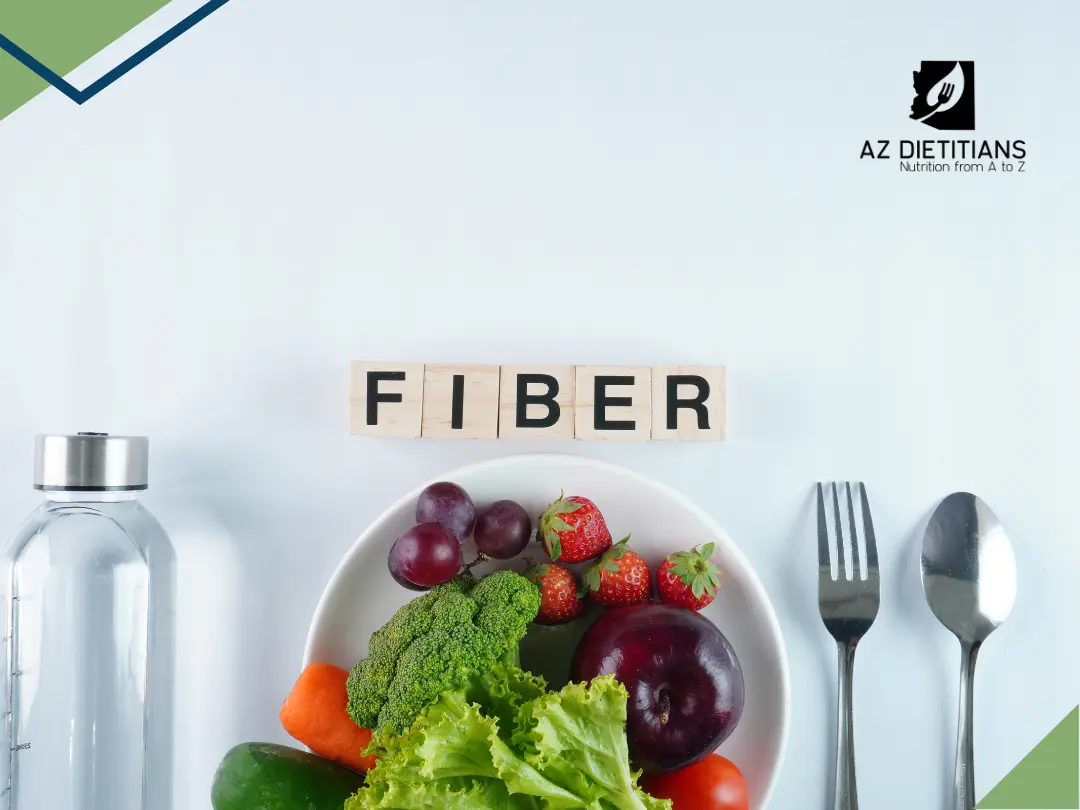
Fiber is a nondigestible complex carbohydrate found in plants. There are two types: soluble fiber and insoluble fiber. Insoluble fiber does not dissolve in water and is found in foods like seeds, nuts, and whole grains. It has many benefits to our health and digestion but plays only a small role in cholesterol management. However, when it comes to cholesterol, soluble fiber holds the key!
Unlike insoluble fiber, soluble fiber dissolves in water to form a gel-like substance. It has many benefits including helping with blood sugar control, lowering inflammation, slowing digestion, supporting the gut microbiome, and lowering LDL cholesterol. Yes, you read that right! Soluble fiber helps to lower LDL cholesterol in our bodies!
So, how exactly does this work? When soluble fiber travels through our intestines, it binds to cholesterol and cholesterol-containing bile acids. This prevents them from being absorbed into the bloodstream where they could form plaques. Then, the bound cholesterol is forced out of the body through feces. Over time, this process lowers the total amount of LDL cholesterol in the body and in the process, lowers risk for developing heart disease.
What Types of Food Contain Soluble Fiber?
Consuming foods rich in soluble fiber is a heart healthy lifestyle change that anyone can make! But, you may be wondering what foods contain soluble fiber and how much of it should you consume?
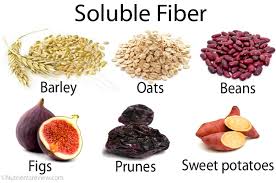
Soluble fiber can be found in many different plant-based foods including:
- Legumes (lentils, beans, etc.)
- Fruits (strawberries, raspberries, apples, pears, etc.)
- Oats
- Barley
- Vegetables (brussels sprouts, sweet potatoes, avocados, etc.)
- Seeds
On average, adults should between 5-10g of soluble fiber per day. Practically, this looks like including about 2 soluble fiber-rich foods into each meal of the day. Use the list above and feel free to do some research of your own to create meals full of soluble fiber knowing that you are promoting your best health and wellness!
References:
Soliman, Ghada A. “Dietary Fiber, Atherosclerosis, and Cardiovascular Disease.” Nutrients vol. 11,5 1155. 23 May. 2019, doi:10.3390/nu11051155
Written By: AZ Dietitians
Last updated: July 15, 2026