Understanding the B Vitamins
Understanding The B Vitamins by AZ Dietitians | 10/12/26 Ever wonder why there is so much emphasis on making sure we...


Last updated: July 1, 2026
You may have heard recent talk of fermented foods circulating through the nutrition and healthcare world. Or maybe you were at your best friend’s house, and they offered you some homemade kombucha saying it would help with your gut microbiome. But what are fermented foods and how do they play into the gut microbiome? Let’s dive in!
Recent discussion in the nutrition world has been largely centered around the gut microbiome. The gut microbiome is a collection of many types of microscopic bacteria that live inside of your intestines. You may be thinking “wait, I thought bacteria are bad!” While some bacteria can be harmful and cause sickness, others are helpful and can provide health benefits. This is the case with the bacteria in our gut microbiome! It is important to maintain a healthy and balanced gut microbiome because these microscopic organisms play key roles in our bodies.
The gut microbiome participates in our:
An imbalanced gut microbiome can have a serious impact on our health and feeling of well-being making it important to take care of. One way to care for our microbiome is through probiotic (good bacteria) supplementation. However, we can also get probiotics through the foods we eat!
Fermented food is the term used to describe certain types of food that are full of living and thriving probiotics. These foods create an environment where the microbes can grow and reproduce, and they are considered an effective form of probiotic. The idea of eating food full of microbes may be uncomfortable, but you have to remember that these little microbes are key to so many areas of your health! Fermented foods have been consumed in the human diet since ancient times and in fact, they are easy to find at the grocery store! Some common examples of fermented foods are:
Now, not all of these foods will have probiotic benefits. For example, many yogurts are highly processed and offer little to no probiotic benefit. However, looking at the food label will tell you if it has probiotic benefit because the types of probiotic bacteria will be listed out. Store associates may also be able to help you find probiotic rich foods.
Now, you already know that eating fermented food helps with your gut microbiome but let’s talk about more specific benefits. Overall, eating fermented foods helps balance the gut microbiome and leads to better health and regulation of your digestive, immune, nervous, and endocrine system. However, fermented foods can have benefits beyond just that. Often, the fermentation process breaks down certain parts of the food and makes it easier for the body to digest. In addition, the breakdown and fermentation process can create byproducts that are beneficial to the body. These simple foods are often overlooked but can be a key part of a healthy diet!
Next time you’re at the grocery store, look for a fermented food, or if you’re really feeling adventurous you can research how to safely make them yourself!
References:
1) Cleveland Clinic Medical Professionals. “What Is Your Gut Microbiome?” Cleveland Clinic, 16 Feb. 2026, my.clevelandclinic.org/health/body/25201-gut-microbiome. Accessed 15 Mar. 2026.
2) Leeuwendaal, Natasha K et al. “Fermented Foods, Health and the Gut Microbiome.” Nutrients vol. 14,7 1527. 6 Apr. 2022, doi:10.3390/nu14071527
3) Park, Inmyoung, and Mohamed Mannaa. “Fermented Foods as Functional Systems: Microbial Communities and Metabolites Influencing Gut Health and Systemic Outcomes.” Foods (Basel, Switzerland) vol. 14,13 2292. 28 Jun. 2025, doi:10.3390/foods14132292
Last updated: July 1, 2026
AZ Dietitians offers in-person and virtual appointments for Arizona clients. Now offering telehealth services for clients in Colorado, Utah, and California.
Understanding The B Vitamins by AZ Dietitians | 10/12/26 Ever wonder why there is so much emphasis on making sure we...

Retatrutide is an investigational peptide generating excitement for its potential effects on weight loss, blood sugar, and metabolic health. Learn what current research says about how it works, how it compares to Ozempic, and important safety concerns to consider.

Fasting can affect women differently depending on factors like age, activity level, hormonal health, and reproductive status. Learn what research says about intermittent fasting, PCOS, menstrual health, bone density, and more.
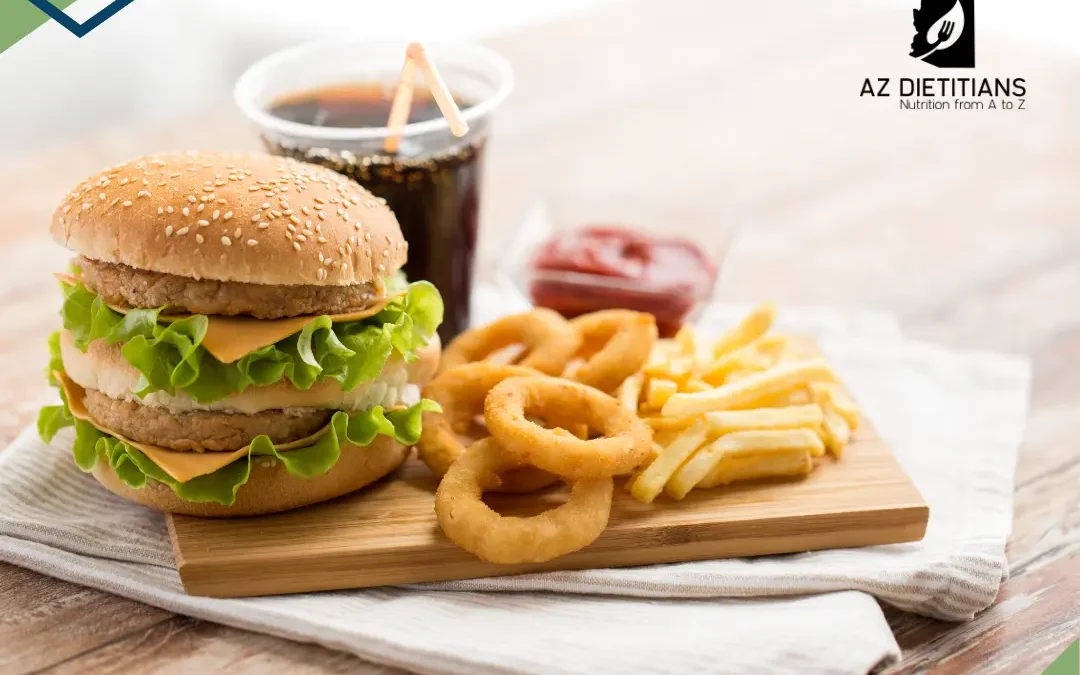
Could the ultra-processed foods you eat regularly be affecting your brain health? Learn about the potential connections between ultra-processed foods, memory, mood, inflammation, and cognitive health, along with simple ways to make more nutritious choices.