

The Importance of Breakfast: How Your Morning Meal Can Support Your Health
Breakfast is often called the most important meal of the day, but is there research to support that claim? While...


Last updated: February 5, 2026
Omega-3 fatty acids have become a popular supplement, touted for various health benefits. But what does the research say? Are omega-3 supplements truly effective? Who can benefit from them, and how should they be incorporated into a daily regimen? This post will dive into the scientific evidence to answer these questions.
Omega-3 fatty acids are essential fats, meaning the body cannot produce them and must obtain them from the diet. There are three main types of omega-3s:
Numerous studies have highlighted the cardiovascular benefits of omega-3 fatty acids. Research shows that omega-3 supplements can lower triglyceride levels, reduce the risk of heart disease, and decrease blood pressure. A large meta-analysis published in the Journal of the American Heart Association found that omega-3 supplementation significantly reduces the risk of cardiac death, coronary events, and coronary heart disease.
Omega-3s, particularly EPA and DHA, play a crucial role in brain function and development. Studies suggest that they may help alleviate symptoms of depression and anxiety. For example, a review in the Journal of Clinical Psychiatry indicated that omega-3 supplements, especially those with a higher EPA to DHA ratio, can be beneficial for individuals with major depressive disorder.
Omega-3s have anti-inflammatory properties, making them beneficial for conditions like rheumatoid arthritis. Clinical trials have shown that omega-3 supplements can reduce symptoms and may decrease the need for anti-inflammatory drugs in some patients.
DHA is a major structural component of the retina. Adequate intake of omega-3s is associated with a reduced risk of macular degeneration, a leading cause of vision loss as we age. Studies published in Investigative Ophthalmology & Visual Science suggest that omega-3 supplementation can support eye health and slow the progression of macular degeneration.
While omega-3s are beneficial for everyone, certain groups may particularly benefit from supplementation:
The optimal dosage of omega-3s can vary based on individual health needs and goals. However, general guidelines include:
It’s essential to choose high-quality supplements. Look for those that provide at least 500 mg of EPA and DHA per serving and are free from contaminants like mercury. Click on this link to see which Omega-3 supplement we recommend!
The research supports the effectiveness of omega-3 supplements in promoting cardiovascular health, and mental well-being, reducing inflammation, and protecting eye health. While most people can benefit from including omega-3s in their diet, supplementation may be particularly advantageous for individuals with specific health concerns. For more information on supplementation and nutritional coaching, contact AZ Dietitians.
Last updated: February 5, 2026
AZ Dietitians offers in-person and virtual appointments for Arizona clients. Now offering telehealth services for clients in Colorado, Utah, and California.
Breakfast is often called the most important meal of the day, but is there research to support that claim? While...

Pumpkin is more than a seasonal favorite! Packed with vitamins, minerals, fiber, and beneficial plant compounds, pumpkin flesh, seeds, and oil offer a variety of nutritional benefits. Discover how pumpkin can support your overall wellness and explore simple ways to enjoy this versatile ingredient in your everyday meals.
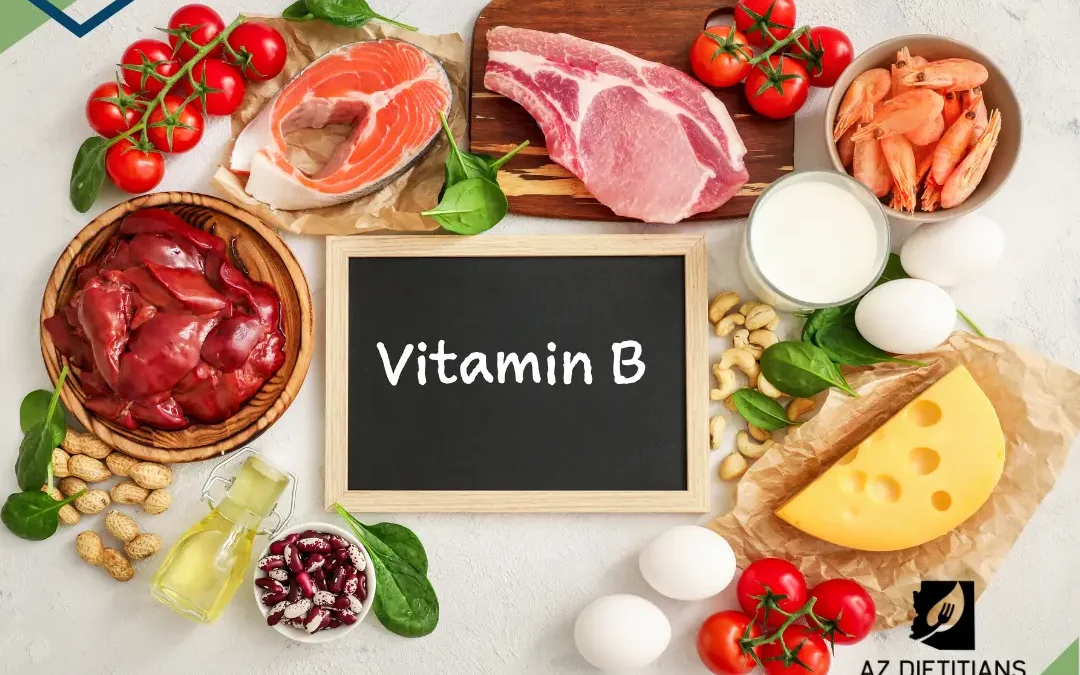
B vitamins play essential roles in energy production, metabolism, nerve function, and overall health. Discover the eight B vitamins, what each one does, and which foods can help you meet your nutritional needs.

Retatrutide is an investigational peptide generating excitement for its potential effects on weight loss, blood sugar, and metabolic health. Learn what current research says about how it works, how it compares to Ozempic, and important safety concerns to consider.