Retatrutide Peptide
You've probably already heard of GLP-1 medications like Ozempic taking over the market. However, there is a new and...

Last updated: May 18, 2026
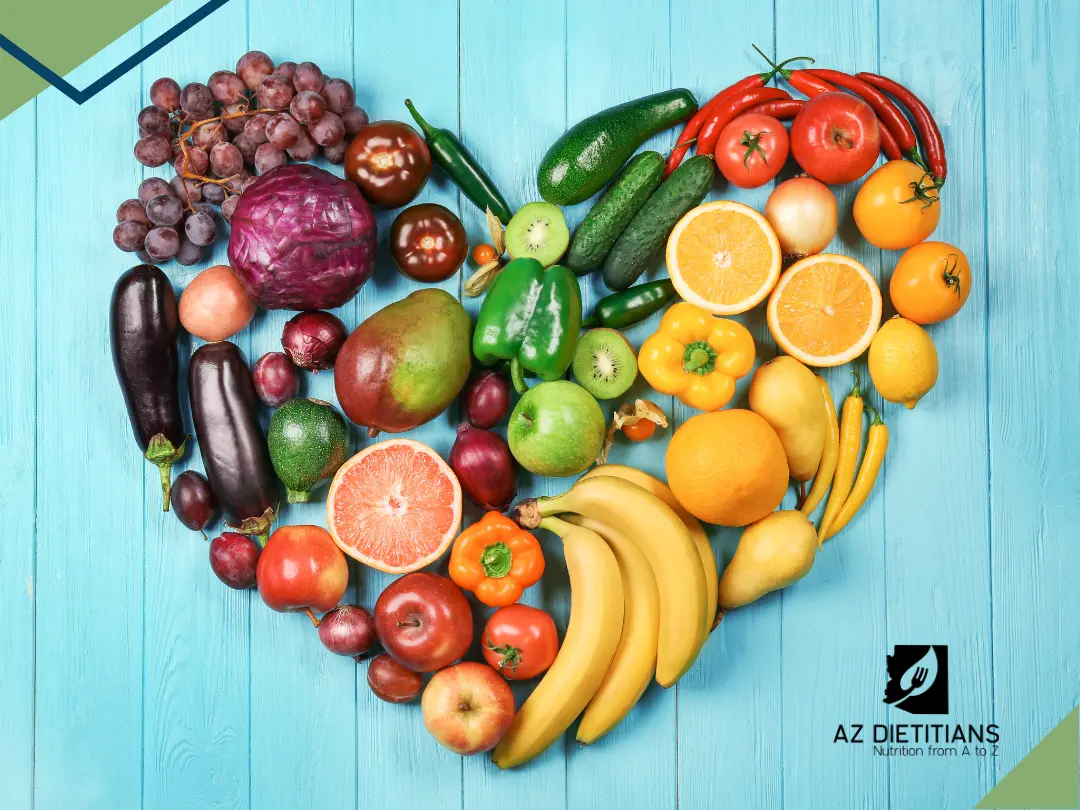
You may have heard people say the common phrase “eat the rainbow” when talking about consuming fruits and vegetables. You may even “eat the rainbow” at every meal. This means that you are eating a colorful array of fruits and vegetables during the day. But do you understand the why behind what you’re doing? By the end of this article, you will! Let’s get into it!
Fruits and vegetables are important to a balanced diet and should be consumed daily with meals. In fact, a diet that incorporates lots of fruits and vegetables has been known to improve mental clarity and function, increase longevity, and lower risk for developing certain chronic diseases including diabetes and cancer! These benefits are the result of a multitude of vitamins and minerals that pack fruits and vegetables along with special compounds called phytonutrients. Phytonutrients are like secret weapons to the body and each type serves a different function including fighting bacteria and fungus, reducing inflammation and oxidation, protecting our neurons, and much more!
So how does this tie into eating the rainbow? Many phytonutrients are pigmented, meaning they have color, and it’s these small nutrients that color most fruits and vegetables. Different phytonutrients are different colors and have different health properties. For example, green vegetables contain a phytonutrient that has anticancer properties while orange vegetables contain one that is anti-inflammatory. If someone was to only eat green vegetables, they would miss out on all of the amazing benefits from the phytonutrients that other colored vegetables contain. Let’s jump into the different colors of fruits and vegetables and the benefits they have!
Red: Red fruits and vegetables contain lycopene, a powerful phytonutrient that supports heart health by lowering of blood pressure and cholesterol. In addition to this, it has anti-cancer and neuroprotective properties.
Orange and Yellow: Carotenoids are multifunctional phytonutrients found in orange and yellow fruits and vegetables. Carotenoids are split into two groups: Alpha-carotene (found in yellow) and Beta-carotene (found in orange). These phytonutrients help with healthy skin and vision, while also supporting heart and immune function.
Green: Green produce is loaded with indoles and isothiocyanates which are known for their anticancer properties. Chlorophyll, a powerful antioxidant and neuroprotectant, can also be found in green fruits and vegetables. In addition to these phytonutrients, green foods are a dense source of vitamins and minerals.
Blue and Purple: Blue and Purple fruits and vegetables have a high concentration of anthocyanins, one of the most powerful antioxidants. Consuming this color helps protect cells from damage, lowers inflammation, improves brain health, and protects against stroke and heart disease.
White and Brown: Flavonoids and allicin are two phytonutrients found in brown and white fruits and vegetables. These phytonutrients are protective against many chronic diseases including heart disease, cancer, and neurodegenerative diseases.
Now that you are aware of the health benefits of different colored produce, try switching up your go to choices and pick a fruit or vegetable that’s a color you don’t normally eat. Add some vibrance to your dinner plate, and in doing so add vibrance to your health!
References:
Blumfield, Michelle et al. “Should We ‘Eat a Rainbow’? An Umbrella Review of the Health Effects of Colorful Bioactive Pigments in Fruits and Vegetables.” Molecules (Basel, Switzerland) vol. 27,13 4061. 24 Jun. 2022, doi:10.3390/molecules27134061
Streed, Joel. “Eat the Rainbow for Good Health.” Mayo Clinic, Mayo Foundation for Medical Education and Research, 21 July 2022, newsnetwork.mayoclinic.org/discussion/eat-the-rainbow-for-good-health/. Accessed 01 Mar. 2026.
Last updated: May 18, 2026
AZ Dietitians offers in-person and virtual appointments for Arizona clients. Now offering telehealth services for clients in Colorado, Utah, and California.
You've probably already heard of GLP-1 medications like Ozempic taking over the market. However, there is a new and...

Fasting can affect women differently depending on factors like age, activity level, hormonal health, and reproductive status. Learn what research says about intermittent fasting, PCOS, menstrual health, bone density, and more.

Could the ultra-processed foods you eat regularly be affecting your brain health? Learn about the potential connections between ultra-processed foods, memory, mood, inflammation, and cognitive health, along with simple ways to make more nutritious choices.

Wondering what to eat after gallbladder removal? Learn how your diet may need to change after surgery and get practical tips for supporting digestion as your body adjusts.