Last updated: August 3, 2026
What is Berberine?
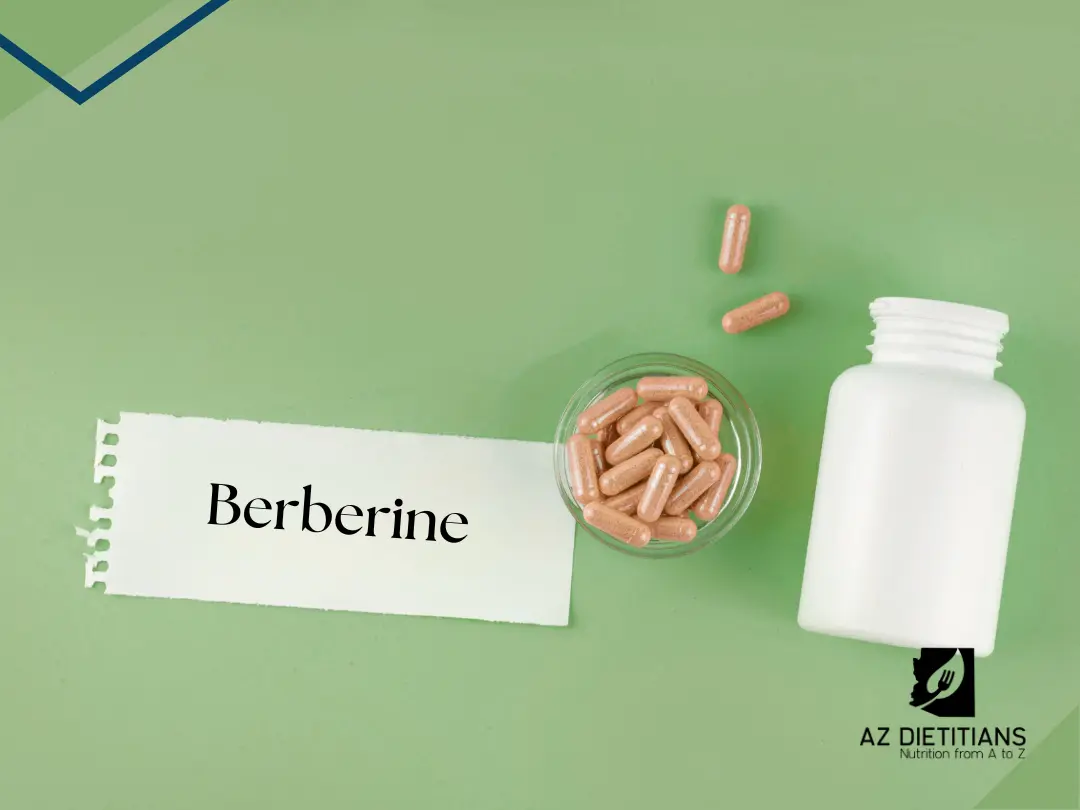
Recently, a supplement called berberine has gained some popularity online, earning the nickname “Nature’s Ozempic.” People are talking about its potential to help with weight loss, blood pressure, blood sugar management, and supporting conditions like Polyendocrine Metabolic Ovarian Syndrome (PMOS). While early research also shows it might also protect the brain or support gut health, it can be hard to separate internet hype from actual science. Let’s dive into the reality of berberine and answer the big question: is it worth your time and money?
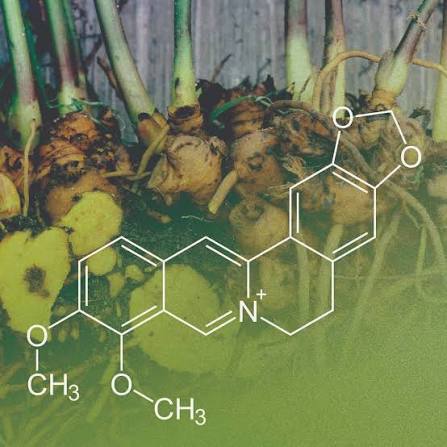
The origin story of berberine is that it has long been used as Chinese medicine and its compound is found in several naturally occurring plants. What makes this so interesting to modern scientists is its ability to improve blood sugar levels and its strong anti-inflammatory properties. Let’s dissect some of the biggest claims about berberine’s benefits.
Is Berberine Really Nature’s Ozempic?
While there is evidence that berberine can help with weight loss, more research is needed to confirm exactly how effective it is. So far, research shows that it doesn’t quite work the same as Ozempic medications. Ozempic uses a hormone to override your appetite, essentially suppressing hunger. Berberine, on the other hand, forces your body to pull sugar out of the blood and use stored sugar and fat to burn off for energy (3). The weight lost from berberine supplementation is from controlling blood sugar levels and body fat in diabetic patients. When looking at massive reviews on human trials, berberine isn’t a miracle weight-loss drug. It’s a blood sugar and cholesterol stabilizer. Berberine works much more similarly to Metformin, rather than Ozempic (1, 7).
How is Gut Health Involved?
Less than 1% of berberine is actually absorbed into the bloodstream, while the rest of the 99% stays in the gut until excreted. So, most of the action from berberine actually comes from the gut! Berberine, in the gut, acts almost like a botanical antibiotic (4). It kills off a lot of the inflammatory “bad” bacteria that live in the gut. However, most beneficial bacteria strains are not affected and a few are actually promoted by berberine. Those strains are specifically associated with stabilizing blood sugar and cholesterol levels and protecting the lining of the gut (2). There is also some evidence that it improves “leaky-gut” (2, 5). Leaky-gut is essentially loose gaps in between cells within the gut, allowing everything to pass through, including toxins. By improving leaky-gut, berberine helps decrease and prevent inflammation.
Polyendocrine Metabolic Ovarian Syndrome (PMOS)
Polyendocrine Metabolic Ovarian Syndrome (PMOS), or formerly known as PCOS, is essentially a hormonal imbalance with different symptoms for each individual. Most common symptoms include high blood sugar levels, weight gain, high blood pressure, and inflammation. And unfortunately, when inflammation is present, more problems in the body occur.
As we already covered, berberine helps improve blood sugar levels with both the 1% that is absorbed into the bloodstream (5) and the 99% that is unabsorbed that interacts with the body through gut bacteria (2). And mentioned briefly, berberine also has strong anti-inflammatory properties.
What does anti-inflammatory actually mean? Let’s jump back to the basics. Inflammation is the body’s natural defense system against viruses, injuries, or infections as a way to fight off the problem and heal. However, when the body stays inflamed for too long, it starts to damage its own tissues. This can occur in situations like long-term stress, poor diet, or certain health conditions. This is where anti-inflammatory compounds such as berberine step in, essentially helping the body’s immune system calm down and reset.
In the context of PMOS, Berberine has shown to reduce inflammation through the bloodstream and improve PMOS symptoms. However more studies are needed to strengthen this concept (5, 8).
Precautions and Considerations of Berberine Supplementation
Although berberine has been shown to have so many benefits, there are still considerations that need to be addressed. Firstly, berberine can negatively interact with the gut, causing diarrhea, constipation, abdominal discomfort (1) and vomiting at high dosages (4). Secondly, as we discussed earlier, 99% of berberine stays undigested and kills off some bacteria in the gut. When this same undigested form is excreted, it enters wastewater and disrupts the environmental bacteria that keeps aquatic systems functioning. By increasing production of concentrated berberine supplements, it can accumulate in aquatic ecosystems, potentially causing environmental harm (4).
In general, supplements are often not regulated and don’t require third-party testing to be legally sold in the U.S. Therefore, many supplements contain certain chemicals that can be harmful for the body. Some dosages can be too high and cause harm or too low that it has no effect. It’s important to pick out the right dosage of the supplement you choose and to make sure it is labeled as third-party tested to ensure purity of the product. Additionally, some supplements can also negatively interact with certain medications or health conditions (6). It is best to keep your health care providers informed about the dietary supplements you choose to take.
Written By: AZ Dietitians
Last updated: August 3, 2026