Last updated: August 3, 2026
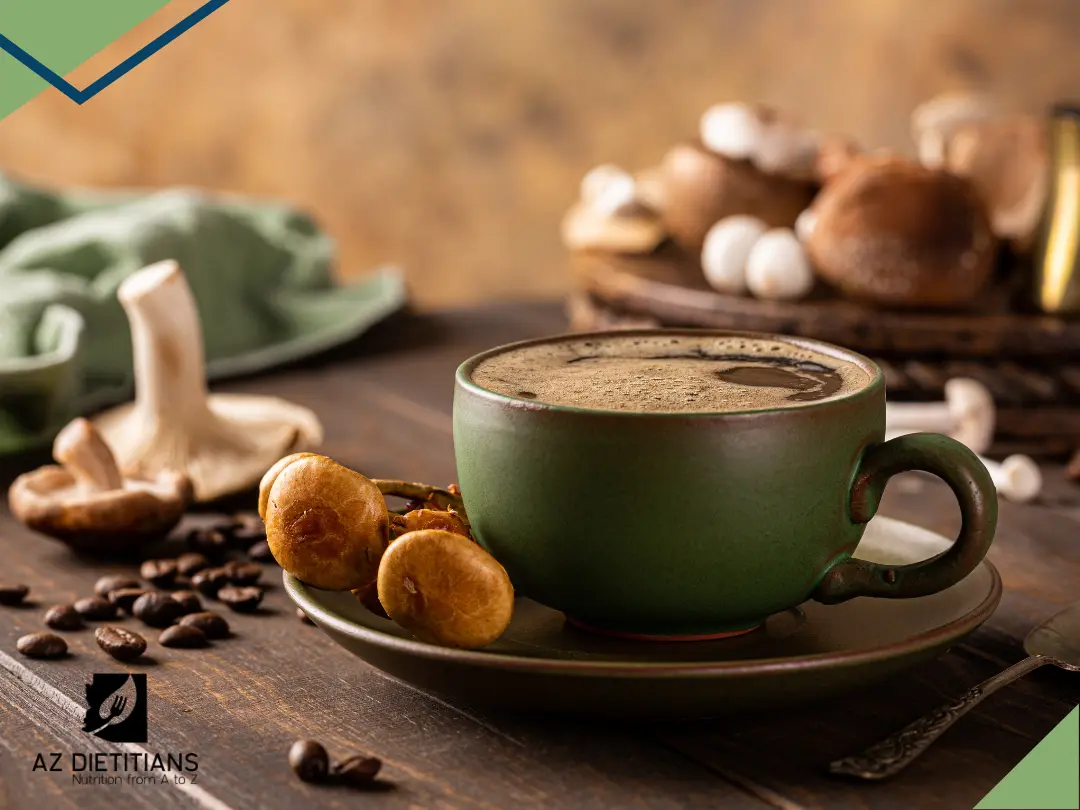
If you’ve spent any time on social media or walking down the wellness aisle lately, you have probably noticed a new trend taking over morning routines: mushroom coffee. It’s often promoted as a superfood alternative to a standard cup of coffee. Brands promise all the benefits of coffee with added immune support, antioxidant effects, and optimal body functioning… minus the caffeine jitter. But is it actually healthier than your average cup of joe? Or is it just clever marketing? Let’s look at what the science has to say.
What Exactly is Mushroom Coffee?
Despite the name, there aren’t going to be floating chunks of cremini mushrooms in your espresso. Mushroom coffee is a blend of standard ground coffee mixed with processed, medicinal mushroom extracts. Because the coffee is essentially “diluted” with these powders, it naturally contains lower caffeine levels, typically around 50mg per serving. This low caffeine level makes it an enticing option for people looking to reduce their jitters.
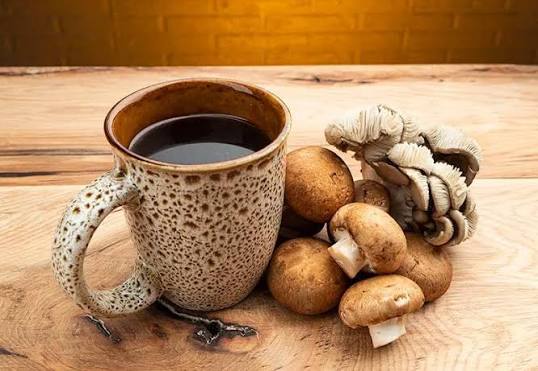
The trend relies on adaptogens: natural substances believed to help the body adapt to stress and normalize bodily processes. Here is a list of the most used functional mushrooms in these blends, and the benefits they CLAIM to provide:
- Lion’s Mane: improve memory, boost concentration, and protect the nervous system
- Chaga: ward off common cold, lower stress-induced inflammation, promote glowing skin and hair
- Cordyceps: reduce fatigue, increase energy, and alleviate respiratory issues like asthma
- Reishi: increase sleep quality, lower stress, and alleviate seasonal allergies
The Science: What Do the Studies Tell Us About Mushroom Coffee?
While the health claims sound incredible, very little research on medicinal mushrooms have been done on humans. With the little that we do have, there are signs of promising evidence. However, not enough to make hard claims. And the catch? Virtually no research has been done on mushroom coffee specifically.
The good news: possibility for brain health and stress relief
We do have some compelling data regarding individual mushrooms.
Lion’s Mane Cognitive Speed Boost
- Study by Docherty et al. in 2023, established that a single dose of Lion’s Mane significantly improved performance speed on the Stroop task (measuring executive processing and focus) as well as chronically reducing subjective stress over 28 days, in young, health adults.
The Cortisol & Anxiety Drop
- A 2024 randomized controlled trial by Venter et al., evaluated adults taking a function mushroom extract blend. Over a 25-day period, the mushroom group experienced a statistically significant drop in salivary cortisol levels (the biological stress hormone), alongside marker improvements in sleep quality and anxiety scores. Another 12-week trial by Ramli et al. substantiated these findings, demonstrating down-regulation of stress biomarkers like norepinephrine and C-reactive protein.
Increased Physical Performance
- Narrative reviews tracking Cordyceps trial in athletes have shown that consistent human supplementation increases time to exhaustion (perform for longer), enhances oxygen utilization during exercise (VO2 peak), and suppresses inflammatory muscle-damage markers after strenuous exercise.
The Mushroom Coffee Catch: The “Processing” Variable
Here is where the marketing separates from the science. While these human clinical trials prove that some mushroom supplements provide benefit… both the Cleveland Clinic and Harvard Health emphasize that virtually zero clinical trials have been done on mushroom coffee specifically.
When functional mushrooms are blended into coffee, they face a massive hurdle:
Thermal Degradation
Brewing coffee requires aggressive, high-heat water (typically 195 – 205 degrees F). Current pharmaceutical profiling shows that hot water can be excellent for extracting immune-boosting polysaccharides. However, it can also degrade more fragile compounds like those found in Lion’s Mane responsible for stimulating Nerve Growth Factor (protective protein for neurons in the nervous system).
More research needs to be done on the resilience and integrity of the mushroom extracts in these products. It would be a shame to spend money on a product that ultimately is not giving you the benefits you desire.
If you do want to try mushroom coffee, you can’t just grab the prettiest bag on the shelf. With health trends like this one, there are always going to be companies who use marketing to their advantage. It takes time and energy to sift through which brands truly care about product quality and design efficacy. Lucky for you, we’ve done the research.
The best method to obtain the greatest potency and highest benefit of bioavailable compounds is the dual extraction (or double extraction) method. This is a key detail to look for in the mushroom coffee world. A functional mushroom extract has a dosage of around 1.0-2.0g/serving, whereas simply dried and ground mushrooms have a serving size of 20g to receive the same benefits. We’ve compiled a list of brands that utilize this premium extraction method.
- Everyday Dose
- Terrasoul Superfoods
- LifeCykel
- Nootrum
- Ra Hygge
HOWEVER…
Many commercial brands use “proprietary blends” that disguise exactly how much functional mushroom you are getting per serving. This makes it difficult to know what benefit you are actually receiving, if any.
Here’s an example of the Everyday Dose label broken down:
- A single serving provides 7.3g of their proprietary blend
- 4.9g of that blend are amino acids from collagen peptides (providing roughly 5g of protein!)
- Leaving only 2.4g to be split between the actual coffee, L-Theanine, AND both Chaga and Lion’s Mane extracts.
Without a specific mushroom extract amount, it’s hard to tell if there is a high enough dosage to potentially see benefits from.
The Bottom Line: Should You Add Mushroom Coffee to Your Daily Routine?
Mushroom coffee can be a fantastic tool to systematically lower daily caffeine intake and maybe even experience some mood-boosting, stress-reducing effects. However, given the research, take the marketing claims with a grain of salt. If it makes YOU feel good, then feel free to incorporate it into your routine. However, don’t assume it’s going to heal all your ailments. Make sure to check labels for transparent dosing, prioritize dual-extracted options, and ensure it doesn’t conflict with medical history or doctor recommendations.
Written By: AZ Dietitians
Published: August 03, 2026
Last updated: August 3, 2026