Last updated: March 11, 2026
When you think of hydration, you probably picture drinking water on a hot day, quenching your thirst, or staying hydrated during a workout. But hydration is more than just “feeding the thirsty.” Proper hydration affects how you think, your reaction time, your energy levels, and how well you perform throughout the day.
The Science of Hydration and the Brain
The brain is about 75% water, which helps support blood flow, neural signaling, and even mood regulation. Research shows that among older adults, those who were dehydrated performed worse on tasks requiring recall of facts, though their working memory was less affected. Another study found that mild dehydration from exercise can impair cognitive performance, particularly memory and attention. This highlights how hydration significantly impacts cognitive function, focus, and memory.
Hydration and Physical Performance
Hydration affects nearly every system involved in physical activity. When you’re dehydrated, your body responds with an increased heart rate, decreased blood volume, lower sweat rate, and higher body temperature. As a result, your body works harder, which can reduce strength, power, coordination, and recovery. You don’t need to exercise intensely every day to feel these effects, many people experience them without realizing it. Staying hydrated supports both short-term and long-term brain function as well as physical performance.
Are You Actually Hydrated?
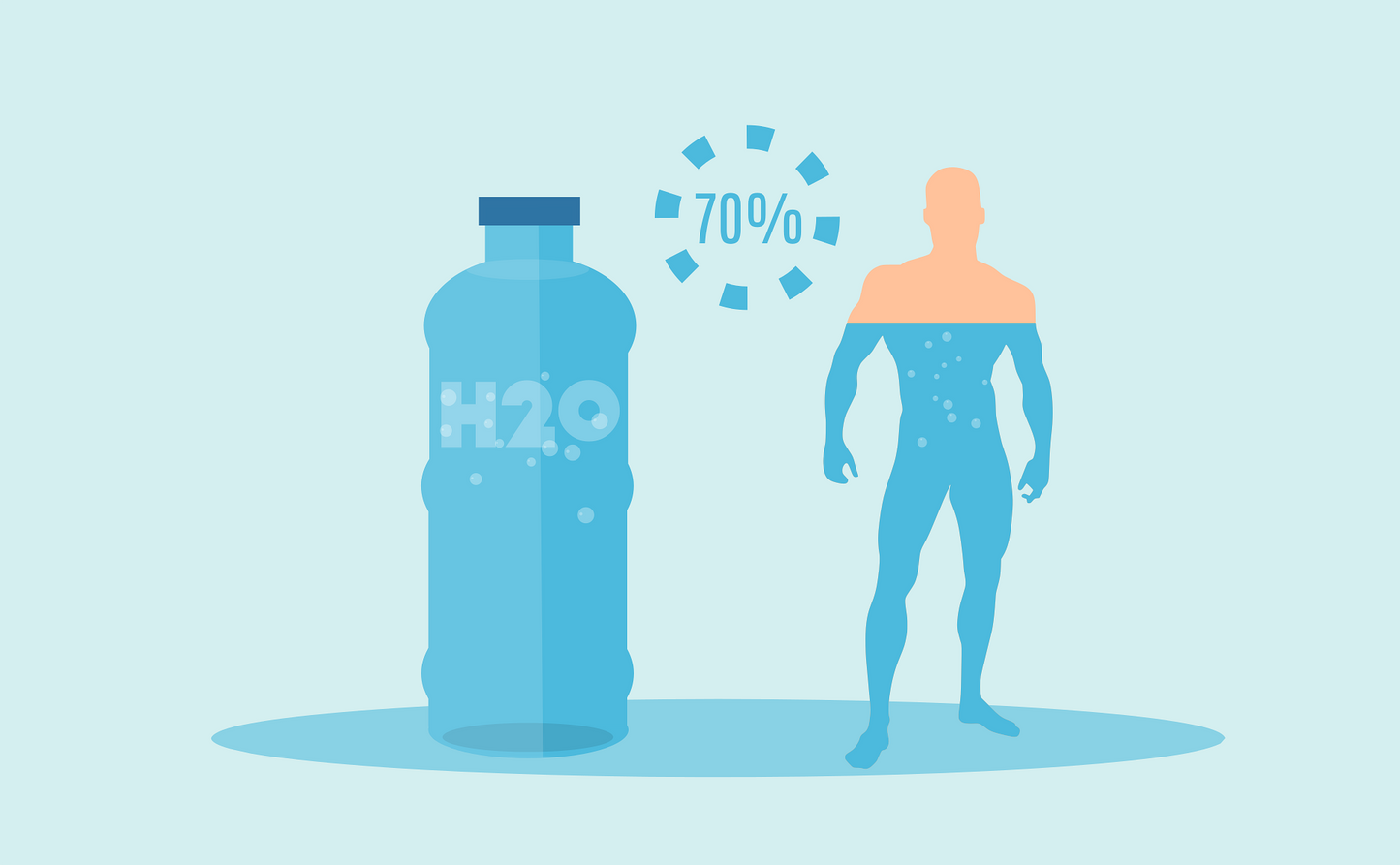
You might not realize you’re dehydrated, since thirst is not always a reliable indicator. Common signs of dehydration include headaches, brain fog, dark urine, dizziness, dry mouth, or reduced exercise tolerance. Here are a few quick ways to check your hydration status:
-
Thirst level: If you’re already thirsty, your body is behind on fluids.
-
Morning hydration status: A dry mouth in the morning may indicate you went to bed dehydrated.
-
Urine color test: Pale yellow indicates good hydration, while darker yellow suggests you need more fluids.
Coffee and tea are often thought to be dehydrating, but that’s a myth. While they are mild diuretics and may increase urine output, the fluid they provide offsets this effect. They can contribute to your daily fluid intake, though water remains the most effective way to stay hydrated throughout the day.
How to Hydrate Smarter
Here are some simple tips to stay hydrated without overcomplicating it:
-
Start your day with a glass of water.
-
Keep a water bottle you enjoy carrying with you.
-
Try adding electrolytes or flavored water for variety.
-
Drink before, during, and after your workouts.
Conclusion: Hydration is More Than Just Responding to Thirst
It’s a performance tool that benefits everyone, athletic or not. Making hydration a consistent habit supports both brain health and physical function. If you struggle with staying hydrated, start small: take a sip in the morning, before meals, and before bed, and build a mindful habit that lasts.
References:
Admin. (2025, June 25). Hydration and brain health: Why drinking water matters for your mind – Neuro Science. Neuro Science. https://communityneuroservices.com/hydration-and-brain-health-why-drinking-water-matters-for-your-mind/
Nishi, S. K., Babio, N., Paz-Graniel, I., Serra-Majem, L., Vioque, J., Fitó, M., Corella, D., Pintó, X., Bueno-Cavanillas, A., Tur, J. A., Diez-Ricote, L., Martinez, J. A., Gómez-Martínez, C., González-Botella, A., Castañer, O., Alvarez-Sala, A., Montesdeoca-Mendoza, C., Fanlo-Maresma, M., Cano-Ibáñez, N., . . . Salas-Salvadó, J. (2023). Water intake, hydration status and 2-year changes in cognitive performance: a prospective cohort study. BMC Medicine, 21(1), 82. https://doi.org/10.1186/s12916-023-02771-4
Suhr, J., Patterson, S., Austin, A., & Heffner, K. (2010). The relation of hydration status to declarative memory and working memory in older adults. The Journal of Nutrition Health & Aging, 14(10), 840–843. https://doi.org/10.1007/s12603-010-0108-8
The myth about caffeine and dehydration. (n.d.). Mayo Clinic. https://www.mayoclinic.org/healthy-lifestyle/nutrition-and-healthy-eating/expert-answers/caffeinated-drinks/faq-20057965
Yüksel, S., & Akıl, M. (2024). Mild dehydration triggered by exercise reduces cognitive performance in children, but does not affect their motor skills. Journal of the American Nutrition Association, 43(7), 627–635. https://doi.org/10.1080/27697061.2024.2362709
Written By: AZ Dietitians
Published: March 09, 2026
Last updated: March 11, 2026