Retatrutide Peptide
You've probably already heard of GLP-1 medications like Ozempic taking over the market. However, there is a new and...

Last updated: February 5, 2026
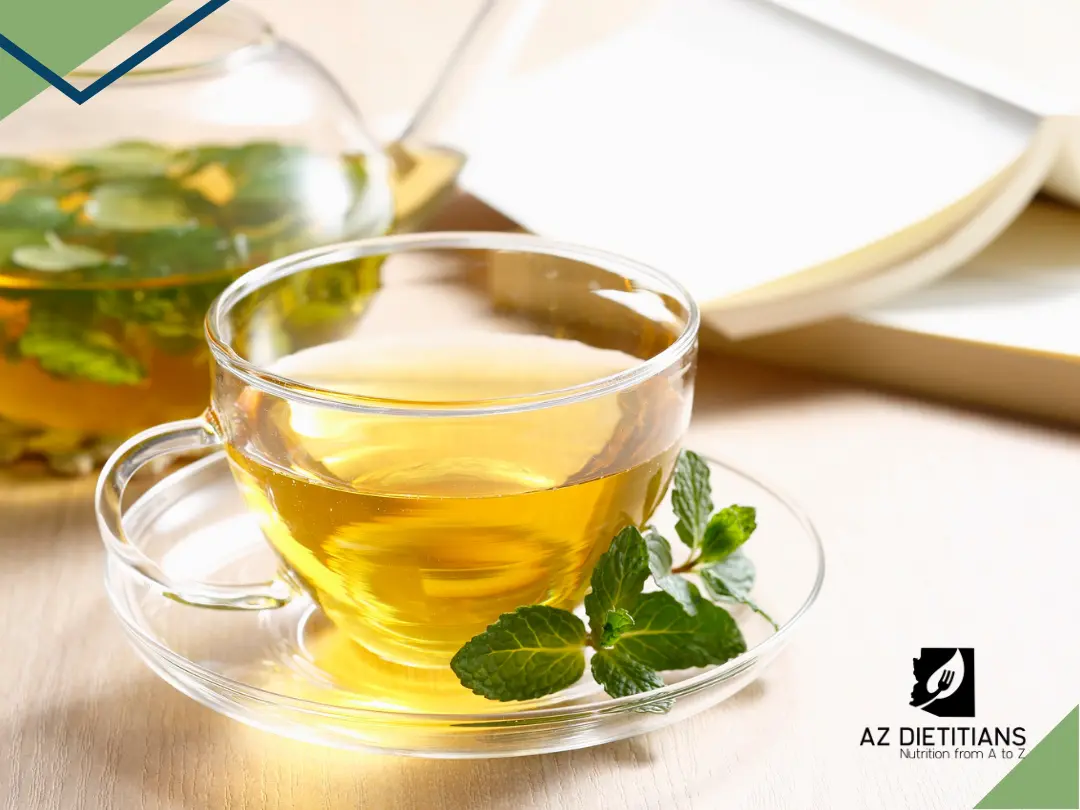
Green tea has been treasured for centuries in countries like China and Japan, not only as a comforting drink but also as a natural health booster. You may have heard that this beverage has anti-inflammatory properties, but what is the real science behind it?
Yes, green tea can help lower types of inflammation, thanks to plant compounds called catechins, especially one known as EGCG. This compound can help calm inflammatory signals so they don’t get stuck in the “on” position. EGCG also helps neutralize free radicals that contribute to inflammation.
Inflammation is your body’s response to injury, infection, or stress. In small spurts, it’s a good thing. Your immune system can heal cuts, fight viruses, and repair damaged tissue!
The problem is chronic inflammation, the kind that sticks around for long periods of time. Long-term inflammation is linked to heart disease, diabetes, arthritis, obesity, digestive problems, and cognitive decline. Because of this, anti-inflammatory foods are great to incorporate in the diet.
Your body uses chemical signals to turn inflammation on and off. When these signals get too strong or stay active too long, they can contribute to chronic inflammation–the kind linked to heart disease, arthritis, and other health issues.
Studies show that EGCG from green tea can help quiet these overactive signals, making the body less likely to stay in an inflammatory state (1).
Inflammation and oxidative stress go hand-in-hand. Oxidative stress happens when too many harmful molecules build up in the body.
Green tea is packed with antioxidants that help neutralize those harmful molecules, which helps lower inflammation in total.
Green tea does not magically erase inflammation on its own, but as part of a healthy routine, it’s a simple science-backed habit that can help support your body’s natural ability to manage inflammation.
Resources:
Ohishi T, Goto S, Monira P, Isemura M, Nakamura Y. Anti-inflammatory Action of Green Tea. Antiinflamm Antiallergy Agents Med Chem. 2016;15(2):74-90. doi:10.2174/1871523015666160915154443
Haghighatdoost F, Hariri M. The effect of green tea on inflammatory mediators: A systematic review and meta-analysis of randomized clinical trials. Phytother Res. 2019;33(9):2274-2287. doi:10.1002/ptr.6432
Last updated: February 5, 2026
AZ Dietitians offers in-person and virtual appointments for Arizona clients. Now offering telehealth services for clients in Colorado, Utah, and California.
You've probably already heard of GLP-1 medications like Ozempic taking over the market. However, there is a new and...

Fasting can affect women differently depending on factors like age, activity level, hormonal health, and reproductive status. Learn what research says about intermittent fasting, PCOS, menstrual health, bone density, and more.

Could the ultra-processed foods you eat regularly be affecting your brain health? Learn about the potential connections between ultra-processed foods, memory, mood, inflammation, and cognitive health, along with simple ways to make more nutritious choices.

Wondering what to eat after gallbladder removal? Learn how your diet may need to change after surgery and get practical tips for supporting digestion as your body adjusts.