
The Importance of Breakfast: How Your Morning Meal Can Support Your Health
Breakfast is often called the most important meal of the day, but is there research to support that claim? While...

Last updated: February 5, 2026
Have you been told you may have Leaky Gut or have you even heard of it? In this post, you will learn all about Leaky Gut and how to help reduce symptoms!
There is no clear diagnosis test, and more research is needed before Leaky Gut is considered a medical diagnosis. But, it is known that the intestinal barrier is important for our health and doctors need to be aware of possible barrier issues in people.
Leaky Gut occurs when the bacteria in your gut is out of balance and creates holes that allow bad bacteria, food particles, and toxins to leak into the bloodstream. The immune system fights these things off causing irritation and inflammation.
Common symptoms of Leaky Gut are bloating, cramping, fatigue, gas, headaches, and sensitivities to some foods. The condition is also associated with Autoimmune Disorders, Diabetes, Inflammatory Bowel Disease, Multiple Sclerosis, Depression, and other Mood disorders.
Treatment focuses on getting the gut bacteria back into balance and this can be done a few ways. First, try eliminating foods that may cause irritation like gluten, sugar, and dairy. Studies have also shown that taking probiotics and prebiotics can help increase good bacteria.
Some helpful tips that may reduce symptoms include:
At AZ Dietitians, we are here to help support you with any gastrointestinal issues you may have. Simply contact us today to schedule an appointment and we can begin the process of using nutrition to formulate a wellness plan that is personalized for your specific needs.
Information adapted from: gut.bmj.com, mdpi.com, and frontiersin.org.
Last updated: February 5, 2026
AZ Dietitians offers in-person and virtual appointments for Arizona clients. Now offering telehealth services for clients in Colorado, Utah, and California.
Breakfast is often called the most important meal of the day, but is there research to support that claim? While...
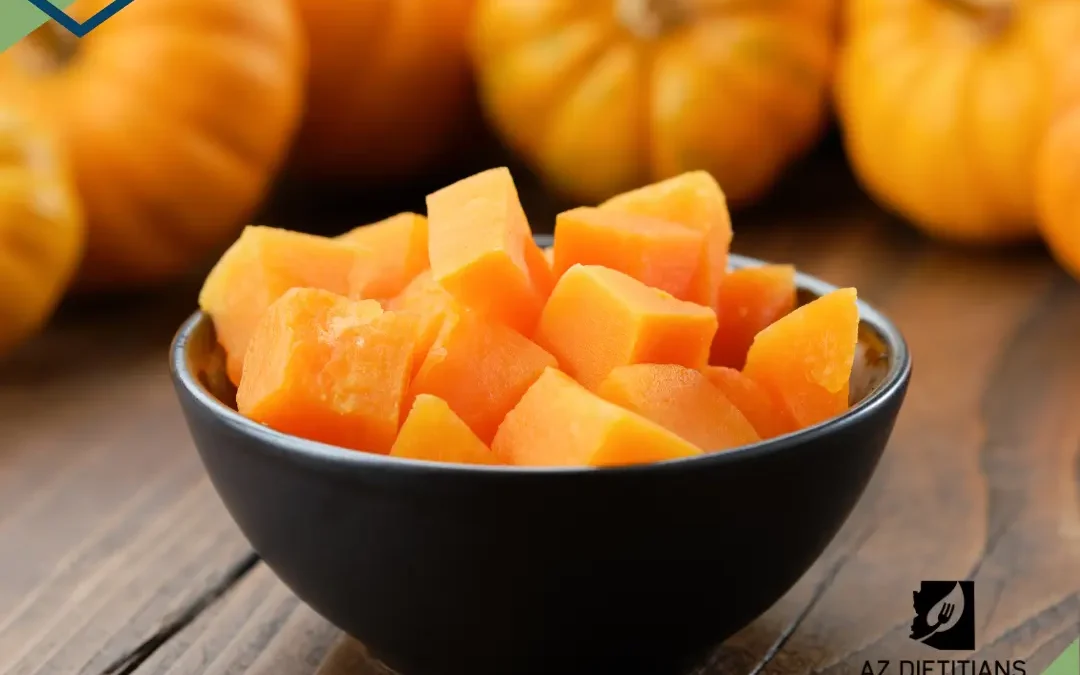
Pumpkin is more than a seasonal favorite! Packed with vitamins, minerals, fiber, and beneficial plant compounds, pumpkin flesh, seeds, and oil offer a variety of nutritional benefits. Discover how pumpkin can support your overall wellness and explore simple ways to enjoy this versatile ingredient in your everyday meals.
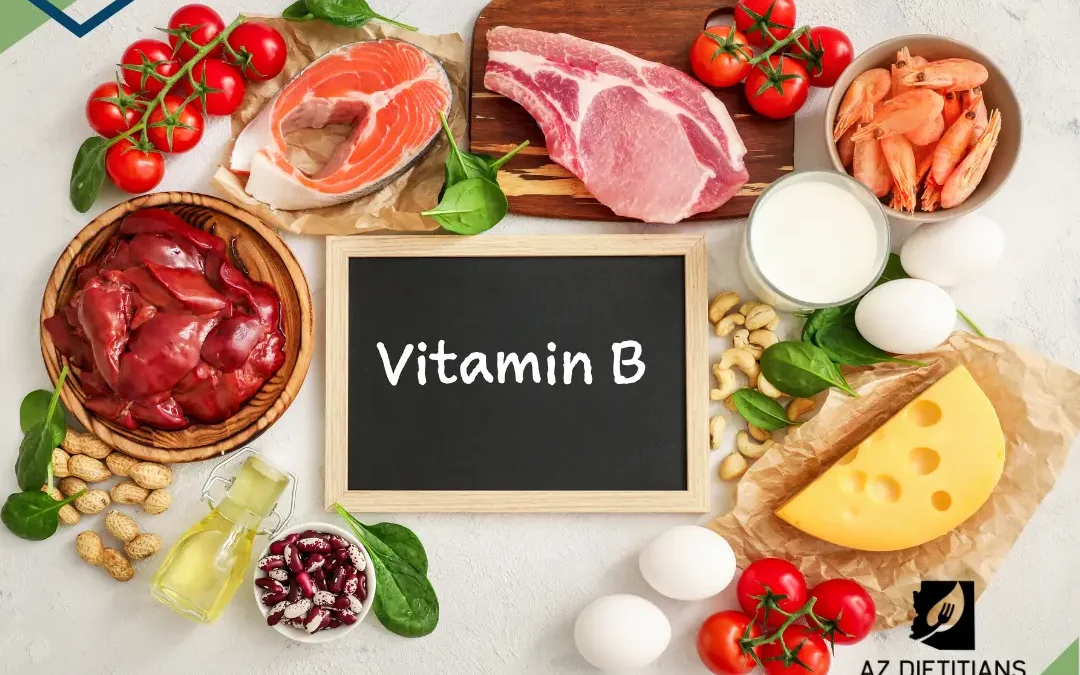
B vitamins play essential roles in energy production, metabolism, nerve function, and overall health. Discover the eight B vitamins, what each one does, and which foods can help you meet your nutritional needs.

Retatrutide is an investigational peptide generating excitement for its potential effects on weight loss, blood sugar, and metabolic health. Learn what current research says about how it works, how it compares to Ozempic, and important safety concerns to consider.