

The Importance of Breakfast: How Your Morning Meal Can Support Your Health
Breakfast is often called the most important meal of the day, but is there research to support that claim? While...

Last updated: February 5, 2026
The Dietary Guidelines recommend keeping intake of saturated fats to less than 10% of total daily calories.
Studies have shown that saturated fats can raise bad cholesterol and increase the risk of developing heart disease. Replacing foods high in saturated fat with foods rich in healthy unsaturated fats can lower cholesterol, improve lipid profiles, reduce inflammation, and the risk of developing autoimmune diseases. Unsaturated fats can be found in olive oil, avocados, nuts, seeds, tuna, and salmon. Omega 3 and Omega 6 fatty acids found in unsaturated fats help lower your LDL cholesterol, triglycerides, blood pressure, and risk of developing Diabetes.
Saturated fat is found in fried foods, baked goods, palm oil, kernel oil, coconut oil, meat, cheese, butter, lard, cream, and other dairy products made from whole or 2 percent milk.
Try this delicious salmon recipe!
Baked Salmon Recipe

Ingredients:
6 oz skinless salmon fillet
Salt, to taste
Pepper, to taste
Olive oil, as needed
1 lemon, sliced
Fresh thyme, to taste
Instructions:
Information adapted from: www.heart.org , www.health.clevelandclinic.org , and https://medlineplus.gov/
Last updated: February 5, 2026
AZ Dietitians offers in-person and virtual appointments for Arizona clients. Now offering telehealth services for clients in Colorado, Utah, and California.
Breakfast is often called the most important meal of the day, but is there research to support that claim? While...
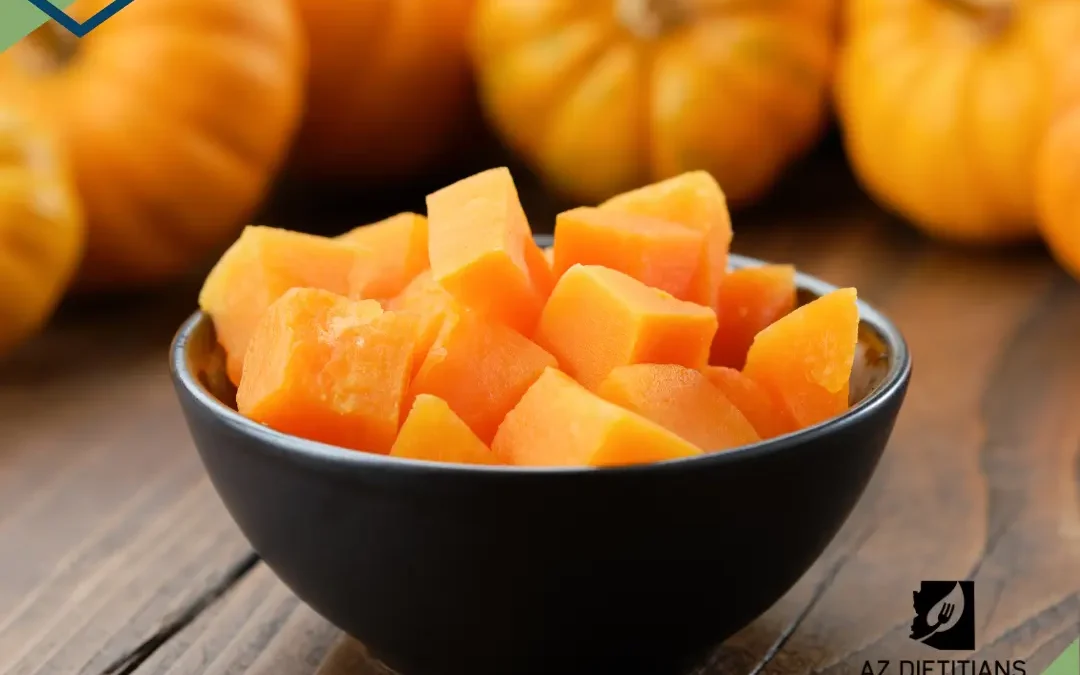
Pumpkin is more than a seasonal favorite! Packed with vitamins, minerals, fiber, and beneficial plant compounds, pumpkin flesh, seeds, and oil offer a variety of nutritional benefits. Discover how pumpkin can support your overall wellness and explore simple ways to enjoy this versatile ingredient in your everyday meals.
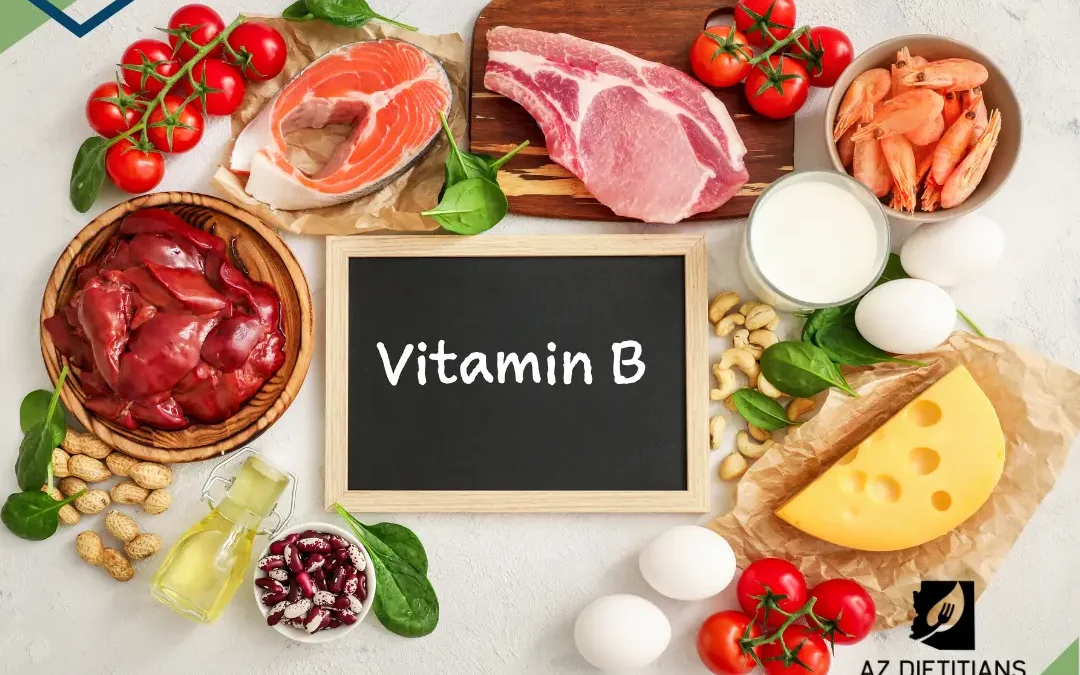
B vitamins play essential roles in energy production, metabolism, nerve function, and overall health. Discover the eight B vitamins, what each one does, and which foods can help you meet your nutritional needs.

Retatrutide is an investigational peptide generating excitement for its potential effects on weight loss, blood sugar, and metabolic health. Learn what current research says about how it works, how it compares to Ozempic, and important safety concerns to consider.