Understanding the B Vitamins
Understanding The B Vitamins by AZ Dietitians | 10/12/26 Ever wonder why there is so much emphasis on making sure we...

Last updated: August 10, 2026
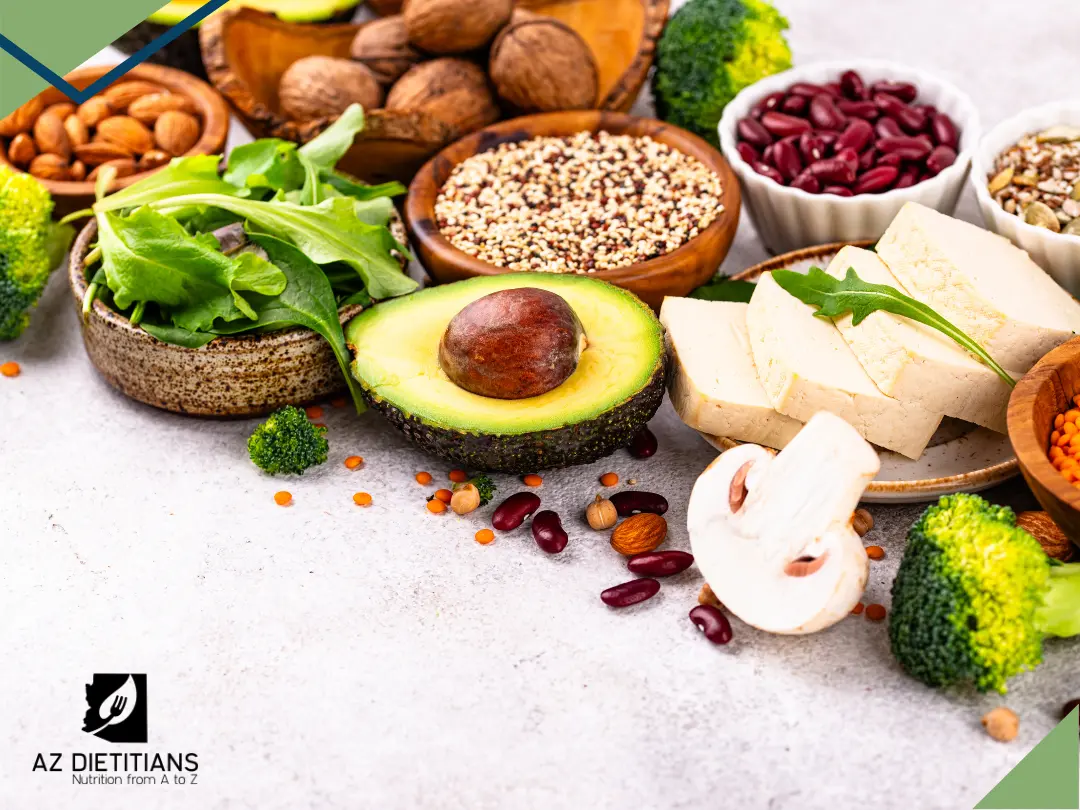
Plant-based foods are those derived from plants, including whole grains, fruits, vegetables, legumes, nuts, and seeds. These foods are the most nutrient dense and nourishing for the body when minimally processed.
Plants contain vitamins, minerals, phytochemicals, and antioxidants that aid in maintaining healthy cells throughout the body and immune system. Whole plant foods are naturally packed with complex carbohydrates and dietary fiber. Fiber is imperative for maintenance of a healthy gut. A healthy gut is what allows us to absorb the nutrients from food that support our immune system and reduce inflammation. Fiber is also known to slow down the digestion and absorption of carbohydrates, which ultimately prevents sharp spikes in blood sugar, promoting balance throughout the day (1).
Plant foods can provide robust cardiovascular protection, especially when replacing saturated fats (usually found in meat and dairy), with unsaturated fats from plants (avocados, olive oil, and nuts). These unsaturated fats aid in lowering LDL cholesterol, commonly known as the “bad” cholesterol, as well as reducing blood pressure. Both of these positive changes directly translate to a lower risk of heart disease and stroke.
The idea is not to ONLY eat plant-based foods, but to increase the amount of plant foods alongside foods you already enjoy.
Plant-based diets have become increasingly popular, however, so have ultra-processed plant-based foods. Many of these foods are marketed as “healthy” just because they are plant-based, however, that is not always the truth. Ultra-processed foods often contain more empty calories, sugar, salt, and fat than whole foods. These foods lack the vitamins and nutrients needed for optimal body functioning, leaving you wanting more. Ultimately, too many of these foods in your diet can lead to deficiencies in essential vitamins and minerals.
To determine if a plant-based food is ultra-processed, you must look past the aesthetic label, and evaluate the ingredient list. The easiest way to do this is by scanning the list and looking for items that you wouldn’t typically use in your home kitchen. These food substances have little to no culinary use and are used in manufacturing to make foods more palatable and appetizing. If the ingredient list contains one or more of the following components, it is considered an ultra-processed food (2).
Minimally processed plants contain intact protein structures wrapped in fiber. Ultra-processed foods use isolated, chemically separated proteins to mimic textures or boost protein numbers. Look for:
Standard cold-pressed oils are considered minimally processed, and these are the ones you would use in your own kitchen – olive oil, avocado oil, sesame oil, etc. However, ultra-processed foods utilize chemically altered fats/oils. These chemical alterations are used to change melting points or extend the shelf life. Look for:
Instead of the natural matrix of whole grains, ultra-processed foods rely on refined, isolated carbohydrates and fibers. These refined carbohydrates and fibers are stripped of their natural micronutrients and polyphenols that are nourishing for the body. Look for:
Black Bean Burger by Actual Veggies:
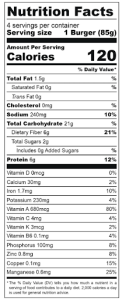
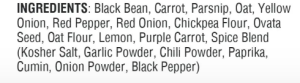
This ingredient list contains real, unmodified foods. Mostly whole vegetables, beans, oats, and spices. This option provides a high fiber content (6g) for only 120 calories in a serving, as well as nutrients from those vegetables. Saturated fat content is much lower in this option, and leaves room to add healthy unsaturated fats to this meal!
Impossible Burger – Plant Based Patties
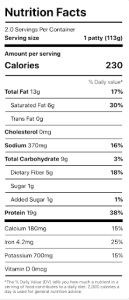
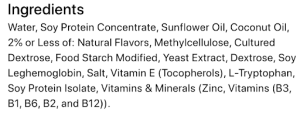
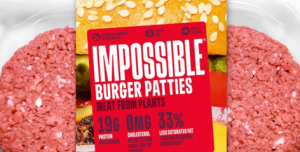
The main protein source here is a highly processed soy protein concentrate. While this boosts the protein content, you are missing out on natural fiber and nutrients that slow digestion. This option contains higher amounts of saturated fats and sodium. Without the added vitamins & minerals in the ingredients, there would be little to no dietary benefit of consuming this food.
References
(1) Monteiro, C. A., Cannon, G., Levy, R. B., Moubarac, J. C., Louzada, M. L., Rauber, F., Khandpur, N., Cediel, G., Neri, D., Martinez-Steele, E., Baraldi, L. G., & Jaime, P. C. (2019). Ultra processed foods: what they are and how to identify them. Public Health Nutrition, 22(5), 936-941.
https://doi.org/10.1017/S1368980018003762
(2) Van Thomme, G. & Alexander, H. (2025). The benefits of a plant-based diet. UT MD Anderson, Cancerwise Blog.
https://www.mdanderson.org/cancerwise/the-benefits-of-a-plant-based-diet.h00-159780390.html
Last updated: August 10, 2026
AZ Dietitians offers in-person and virtual appointments for Arizona clients. Now offering telehealth services for clients in Colorado, Utah, and California.
Understanding The B Vitamins by AZ Dietitians | 10/12/26 Ever wonder why there is so much emphasis on making sure we...

Retatrutide is an investigational peptide generating excitement for its potential effects on weight loss, blood sugar, and metabolic health. Learn what current research says about how it works, how it compares to Ozempic, and important safety concerns to consider.

Fasting can affect women differently depending on factors like age, activity level, hormonal health, and reproductive status. Learn what research says about intermittent fasting, PCOS, menstrual health, bone density, and more.
Could the ultra-processed foods you eat regularly be affecting your brain health? Learn about the potential connections between ultra-processed foods, memory, mood, inflammation, and cognitive health, along with simple ways to make more nutritious choices.