Last updated: February 5, 2026
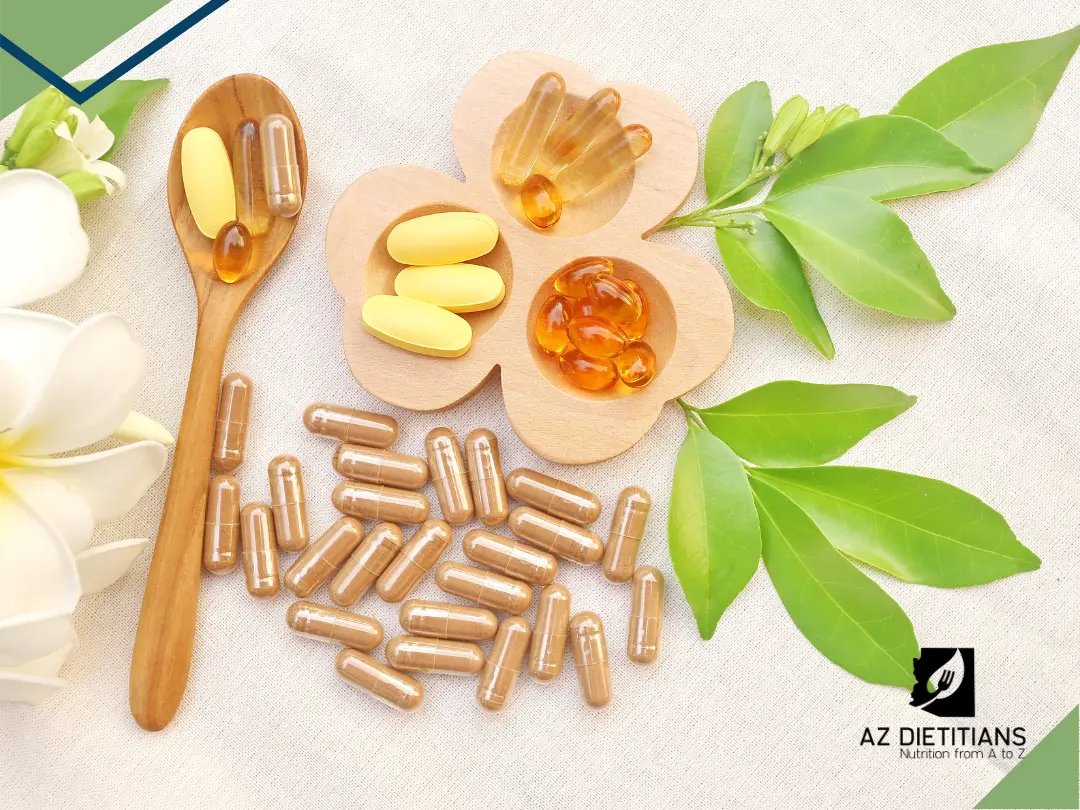
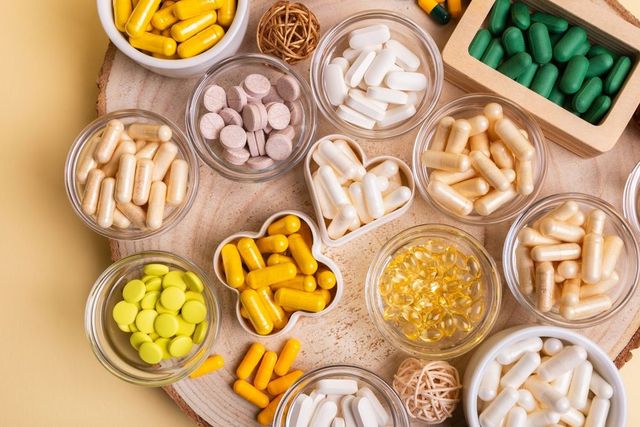
When scrolling on social media, watching the news, or even walking into a corner store, you’re constantly exposed to supplements promising quick weight loss, clearer skin, or a stronger immune system. While certain supplements can offer real benefits, many people don’t realize that most are not regulated the same way medications are. This lack of regulation makes education especially important for those who are unfamiliar with supplements and helps reduce the risk of improper self-dosing.
What Is the Problem with Supplements?
In the United States, supplements are classified as foods rather than drugs. Because of this, they are not subject to the same safety and testing requirements that medications must meet before being sold. Research shows that the FDA does not have the authority to approve or deny supplements before they reach the public. Instead, responsibility for their safety and labeling largely falls on the manufacturer.
Due to this limited regulation, some supplements may contain ingredients not listed on the label, or the label may provide inaccurate information about ingredient amounts. Many individuals also take supplements without realizing that certain products may not be appropriate for them, potentially leading to nutrient imbalances or dangerous interactions with medications. Just because a supplement is sold in a store does not mean it is safe or effective.
Additionally, supplement marketing can be misleading. Many products use buzzwords like “natural,” “clean,” or “clinically proven,” which may sound reassuring but are not regulated terms. These claims can create a false sense of safety and effectiveness, making consumers more likely to purchase supplements without fully understanding their risks or limitations.
Supplements and the Risk of Hidden or Banned Substances
One major concern among healthcare providers is the risk of hidden or banned substances in supplements. Research has found that some supplements contain ingredients not listed on the label, including substances prohibited by the World Anti-Doping Agency. As a result, athletes have unknowingly consumed banned substances and failed drug tests despite having no intention of cheating.
What Does Third-Party Tested Mean?
Third-party testing means that an independent organization evaluates a supplement to verify its purity, quality, and accuracy of labeling. Trusted third-party certification programs include NSF Certified for Sport, U.S. Pharmacopeia (USP) Verified, and ConsumerLab. Supplements that carry these certifications provide greater assurance that the product contains what the label claims and is free from harmful contaminants.
Does Proper Supplement Dosing Matter?
Even when a supplement is deemed safe by third-party testing, proper dosing is still essential. Taking too much can be harmful, while taking too little may not provide any benefit. Fat-soluble vitamins such as vitamins A, D, E, and K can accumulate in the body and reach toxic levels when consumed in excess. Appropriate supplement dosing varies from person to person based on age, health history, diet, and individual nutritional needs. This is why seeking guidance from a qualified healthcare professional is strongly recommended.
In Conclusion
Supplements can play a beneficial role in supporting health when used appropriately. However, due to limited regulation, there is a risk of mislabeling, contamination, or the presence of banned substances. Choosing third-party tested products and seeking professional guidance for proper dosing can help ensure supplements are both safe and effective.
References:
Baldwin, P. (2022). The regulation of dietary supplements in the United States. The Senior Care Pharmacist, 37(8), 374. https://doi.org/10.4140/tcp.n.2022.374
Grant Tinsley, Ph.D. (2024, August 18). How to use Third-Party testing to inform your dietary supplement decisions – Grant Tinsley, Ph.D. https://granttinsley.com/third-party-testing-dietary-supplements
Kozhuharov, V. R., Ivanov, K., & Ivanova, S. (2022). Dietary supplements as source of unintentional doping. BioMed Research International, 2022(1), 8387271. https://doi.org/10.1155/2022/8387271
Program, H. F. (2024, February 21). Questions and answers on dietary supplements. U.S. Food And Drug Administration. https://www.fda.gov/food/information-consumers-using-dietary-supplements/questions-and-answers-dietary-supplements
Written By: AZ Dietitians
Published: February 02, 2026
Last updated: February 5, 2026