Breaking the Binge-Restrict Cycle: Why Balanced Meals are the Key to Food Freedom

by

Last updated: March 11, 2026

If you’ve ever felt caught in a loop of overeating, guilt, restriction and then repeating the cycle, you’re not alone. The binge-restrict cycle is incredibly common, and incredibly frustrating. Whether you’re trying to nourish your body, support your mental health, or just make peace with food, the first step is understanding what’s really going on beneath the surface.

Let’s explore what binge eating really is, why it happens, and how balanced, consistent meals can be a powerful part of the healing process. 

What is the Binge-Restrict Cycle?

The cycle usually looks something like this:

  1. Restriction – you eat too little (calories, carbs or entire meals), or cut out foods that you love.
  2. Physical and mental deprivation – your body gets physically deprived and your brain starts obsessing over food.
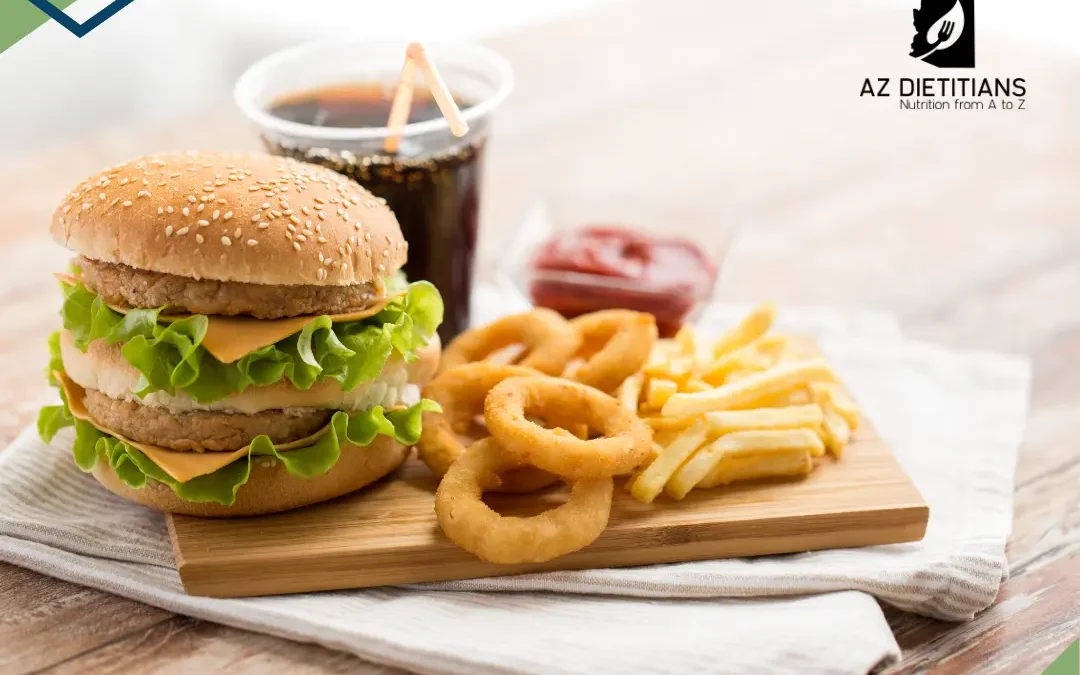
  3. Binge – you eat a large amount of food in a short period and feel out of control, often with the very foods you’ve been avoiding. 
  4. Guilt and shame – you feel like you failed, so you vow to “start fresh,” which means…more restriction. 

This isn’t all about willpower, its biology and psychology at work.

What is Binge Eating?

Binge eating involves eating an unusually large amount of food in a short time with a feeling of being out of control. It’s often driven by a mix of physical deprivation and emotional distress, not just cravings. 

It’s important to note that binge eating is not the same as simply overeating. It’s not eating “too much” on a holiday. It’s a response to unmet needs, physical, emotional, or both. 

Why Does the Binge-Restrict Cycle Happen?

Biological reasons: 

  • Not eating enough during the day → extreme hunger later
  • Skipping meals or cutting out carbs/fats → binge urges
  • Lack of sleep or high stress hormones → increase in food cravings 

Psychological and emotional reasons: 

  • Using food to cope with stress, loneliness, sadness, or boredom
  • Believing certain foods are “bad” and feeling guilt when you eat them
  • Past trauma or feeling disconnected from your body 

Environmental triggers: 

  • Being home alone with trigger foods
  • Foods being overly restricted during childhood 
  • Social pressure, body image stress, or dieting culture 

What Happens in the Body and Brain During a Binge?

The Brain:

  • Dopamine spikes from high-sugar, high-fat foods, creating a reward loop
  • Prefrontal cortex (involved in decision making) activity drops, so it’s harder to “stop” 
  • Shame cycle reinforces binging as both the cause and the solution to emotional discomfort

The Body:

  • The stomach may stretch painfully, causing bloating and nausea
  • Insulin spikes and then crashes, leading to fatigue and irritability
  • Long term disrupts hunger cues, digestion and nutrient absorption

Over time, chronic binging can lead to digestive issues, hormonal imbalances, and emotional exhaustion. 

How Balanced Meals Help Break the Binge-Restrict Cycle

Balanced, consistent meals are one of the most effective ways to reduce binge urges. Here’s why: 

  • Stabilize blood sugar levels and energy throughout the day
  • Helps you reconnect with true hunger and fullness cues 
  • Prevents the intense hunger that often leads to binging 
  • Reduce mental preoccupation with food by keeping you satisfied 
  • Restore trust in your body that you will nourish it regularly and fully 

A balanced plate includes:

  • Carbohydrates: fruits, whole grains, sweet potatoes 
  • Protein: chicken, tofu, Greek yogurt, beans 
  • Fats: avocado, nuts, olive oil
  • Fiber/color: leafy greens, colorful veggies, legumes 

Even snacks matter! Try pairing proteins and carbs together like apples and peanut butter, crackers and hummus, or cheese and nuts.

Tools for Breaking the Binge-Restrict Cycle

  1. Name it without shame – binging is a behavior, NOT your identity. You are not broken, lazy, or out of control. This is your brain’s protective coping tool until better ones are learned. 
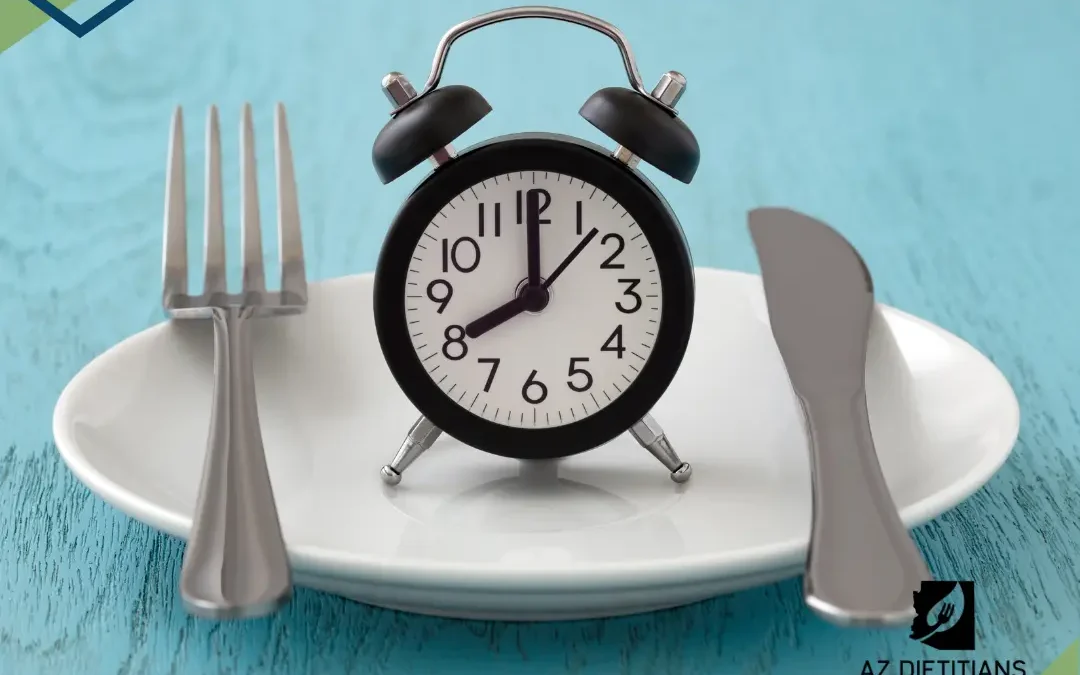
  2. Structure meals and snacks – eat every 3-4 hours, even if you don’t feel hungry yet. Skipping meals often sets up a binge later. 
  3. Neutralize all food – labeling food as “bad” increases the urge to binge on it. All foods can fit. Giving yourself permission reduces intensity over time.  
  4. Track emotions, not calories – journaling before and after binges helps you connect patterns. Ask yourself: What was I feeling? What triggered this urge? What do I need right now besides food? 
  5. Build coping tools – find nonfood ways to comfort yourself like walking, music, breathwork, calling a friend or just being kind to yourself in the moment. 
  6. Consider professional support – a registered dietitian, therapist, or eating disorder specialist can help you reframe your relationship with food and your body. 

Final Thoughts

Balanced eating isn’t just about nutrients, it’s about breaking free from the cycles that keep you stuck. Your body is not the problem. You can’t shame yourself into healing. You don’t need more rules. You need more trust, more nourishment, and more self-compassion. 


References 

De Young, K. P., Lavender, J. M., Crosby, R. D., Wonderlich, S. A., Engel, S. G., Mitchell, J. E., 

Crow, S. J., Peterson, C. B., & Le Grange, D. (2014). Bidirectional associations between binge eating and restriction in anorexia nervosa. An ecological momentary assessment study. Appetite83, 69–74. 

Mathes, W. F., Brownley, K. A., Mo, X., & Bulik, C. M. (2009). The Biology of Binge Eating. Appetite52(3), 545–553. 

Written By: AZ Dietitians
Published: July 14, 2025

Last updated: March 11, 2026

AZ Dietitians: Nutrition from A to Z

AZ Dietitians offers in-person and virtual appointments for Arizona clients. Now offering telehealth services for clients in Colorado, Utah, and California.

Recent Posts

Electrolyte Imbalances Explained: Symptoms and Solutions

Electrolyte Imbalances Explained: Symptoms and Solutions

Electrolytes play a vital role in hydration, muscle function, nerve signaling, and heart health. Learn how to recognize the symptoms of electrolyte imbalances, understand their causes, and discover practical solutions from our Registered Dietitians.

read more
Eating Well with a Busy Schedule

Eating Well with a Busy Schedule

Eating well and following healthy eating habits is possible with intentional choices and a little planning ahead. Follow these simple tips from our Registered Dietitians!

read more
AZ Dietitians Guide to Aging Well

Sign Up to Receive Your FREE Guide To Aging Well!