Retatrutide Peptide
You've probably already heard of GLP-1 medications like Ozempic taking over the market. However, there is a new and...

Last updated: February 5, 2026
Have you ever reached for a cookie or something else sweet after a stressful day? Or eaten chips while feeling sad, even if you weren’t that hungry? If so, you’re not alone.
Emotional eating is something nearly all of us do from time to time. It’s not “bad,” and it doesn’t mean you’re weak. In fact, eating to cope with feelings is a normal part of being human. But, when emotional eating becomes your main way of handling stress, it can start to cause problems.
In this week’s blog post, we’ll talk about why emotional eating happens, why it’s not something to feel ashamed of, and what you can do instead to take care of your body and your emotions.
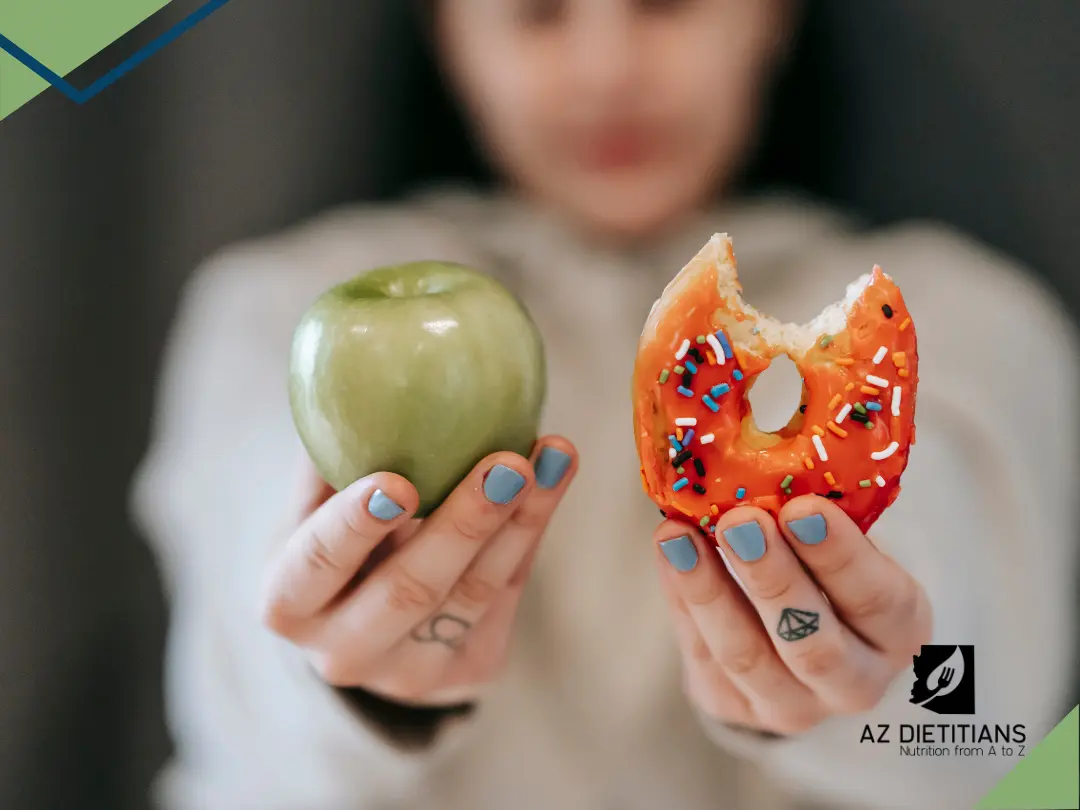
Emotional eating means using food to deal with your feelings, not to satisfy physical hunger. This might include eating when you’re sad, bored, anxious, overwhelmed, or even during positive emotions, like when you’re happy. It can be a way to find comfort, distraction, or relief.
Nearly 20.5% of adults over 21 in the United States say they often or very often engage in emotional eating. This can be more frequent during times of stress, and oftentimes, the go-to foods are high-calorie, high-sugar foods like ice cream, chips, or crackers. That’s because these types of foods give us a quick burst of feel-good chemicals in the brain, like dopamine. Dopamine is like a short-term reward for your brain, but it doesn’t last long. It also causes you to crave this feeling again and can lead you to engage in the behavior more often.
Many people will feel guilty after emotional eating, especially if they’ve been trying to eat healthy or lose weight. But emotional eating is not a sign of failure or a lack of willpower. It’s just a coping strategy that your brain may have learned over time.
Emotional eating usually starts out when we are very young. Food can make us feel safe, comforted, and grounded. Sometimes we learn from a young age that food is a reward or a way to soothe pain. It’s only when emotional eating becomes the only way we deal with hard feelings later on in life that it may be worth looking closer and finding alternative methods to reduce stress.
Emotional eating is often connected to:
These emotions can trigger cravings, especially for sweet, salty, or fatty foods. Research from Harvard Health shows that high stress increases levels of cortisol, a hormone that can further increase appetite and cravings.
It’s also important to reiterate that emotional eating doesn’t mean you failed your diet. It means you might need more ways to care for yourself when life gets harder. Let’s explore some of those options.
The goal isn’t to “never” eat emotionally. That’s not realistic, and enjoying food can absolutely be a source of comfort and happiness. The goal is to build a variety of tools, so food isn’t your only option. Here are some things to try:
This helps you slow down and understand what’s really going on
Sometimes just saying, “I’m feeling overwhelmed,” or “I’m lonely,” can lower the emotional intensity. Naming your emotions helps your brain feel more in control.
If you do decide to eat, do it mindfully. Sit down, eat slowly, and enjoy the taste. If going for a bag of chips, grab a bowl or plate and tell yourself you’re only going to eat the amount you portion out beforehand. Put the bag away out of sight and permit yourself to eat without feeling guilty.
It takes time to build new habits. You don’t have to get it right every time. Judging yourself too harshly often leads to more emotional eating, not less.
A study also found that people who felt guilty after eating were more likely to engage in emotional eating, while those who practiced self-compassion were more likely to be more restrained in the future.
It might be beneficial to reach out to others in your life who can help support you. This can look like having a family member do your grocery shopping for you, so you are less tempted to purchase the foods you commonly binge eat. Or, if emotional eating feels out of control or is linked to serious stress, trauma, or an eating disorder, talk to a registered dietitian or mental health professional. There’s no shame in needing support, and you don’t have to figure it all out alone.
Food can bring comfort, joy, and relief, and that is okay in moderation. But when emotional eating becomes your go-to response to stress, it’s helpful to slow down, check in with yourself, and try to find some new ways to cope.
References
Elran Barak, R., Shuval, K., Li, Q., Oetjen, R., Drope, J., Yaroch, A. L., Fennis, B. M., & Harding, M. (2021). Emotional eating in adults: The role of sociodemographics, lifestyle behaviors, and self-regulation—findings from a U.S. national study. International Journal of Environmental Research and Public Health, 18(4), 1744. https://doi.org/10.3390/ijerph18041744
Evers, C., Dingemans, A., Junghans, A. F., & Boevé, A. (2018). Feeling bad or feeling good, does emotion affect your consumption of food? A meta-analysis of the experimental evidence. Neuroscience and biobehavioral reviews, 92, 195–208. https://doi.org/10.1016/j.neubiorev.2018.05.028
Harvard Health Publishing. (2021). Why stress causes people to overeat. Harvard Health Publishing. Retrieved from https://www.health.harvard.edu/staying-healthy/why-stress-causes-people-to-overeat
Montecatini Eating Disorder Treatment Center. (2024). The link between dopamine and binge eating. Eating Disorder Hope. Retrieved from https://www.eatingdisorderhope.com/blog/the-link-between-dopamine-and-binge-eating
Last updated: February 5, 2026
AZ Dietitians offers in-person and virtual appointments for Arizona clients. Now offering telehealth services for clients in Colorado, Utah, and California.
You've probably already heard of GLP-1 medications like Ozempic taking over the market. However, there is a new and...
Fasting can affect women differently depending on factors like age, activity level, hormonal health, and reproductive status. Learn what research says about intermittent fasting, PCOS, menstrual health, bone density, and more.
Could the ultra-processed foods you eat regularly be affecting your brain health? Learn about the potential connections between ultra-processed foods, memory, mood, inflammation, and cognitive health, along with simple ways to make more nutritious choices.
Wondering what to eat after gallbladder removal? Learn how your diet may need to change after surgery and get practical tips for supporting digestion as your body adjusts.