Retatrutide Peptide
You've probably already heard of GLP-1 medications like Ozempic taking over the market. However, there is a new and...

Last updated: April 15, 2026
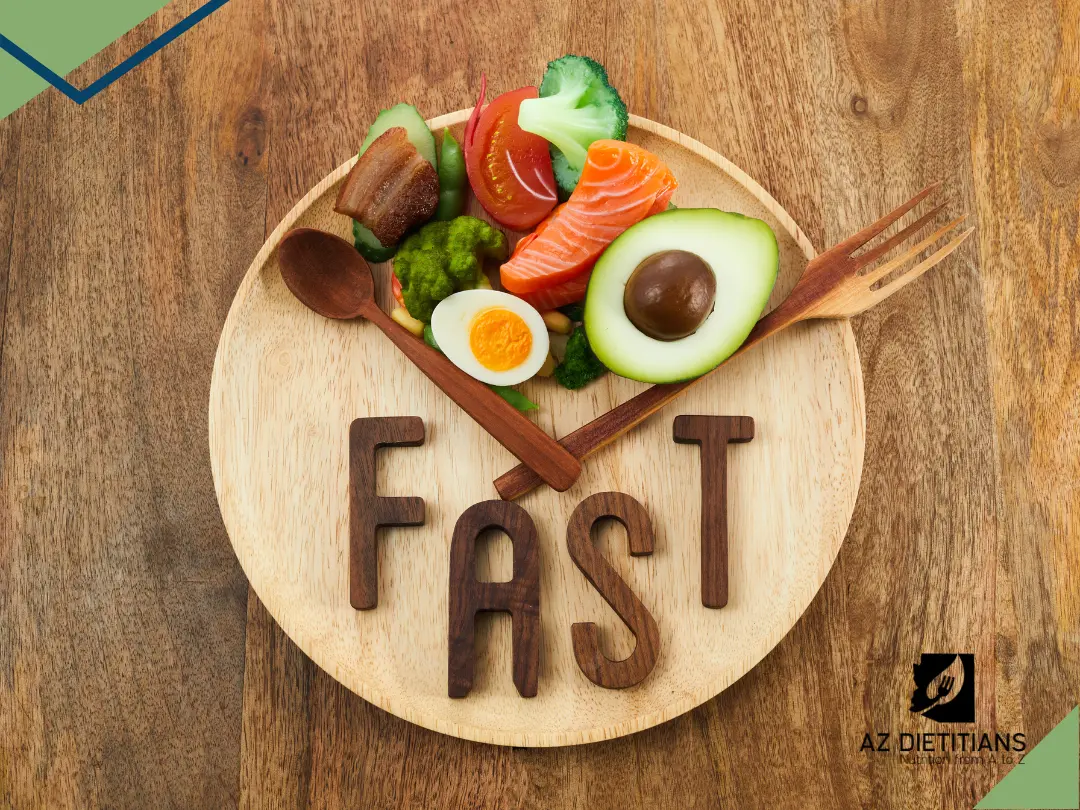
When it comes to weight loss, people often focus on what they eat and not when they eat. What if the when you eat matters just as much? Intermittent fasting (IF) has gained popularity due to its claim as a powerful tool to help lose weight and improve overall health. Instead of following a strict diet, intermittent fasting focuses on cycling between periods of eating and fasting. Let’s explore if intermittent fasting is the right tool for you.
Unlike traditional diets that emphasize calorie counting or food restrictions, intermittent fasting is all about meal timing. The proposed idea behind it is to extend the period between meals to allow your body time to burn stored fat for energy. There are different ways the people practice IF, including
Each has different benefits, and the important thing to keep in mind is that everyone’s needs are different and what might work for one person might not work for another.
There are several changes that occur when you fast that can have health benefits:
While intermittent fasting can be effective, it is not right for everyone. There are some potential drawbacks to consider:
Before diving into IF, it’s important to consider whether it aligns with your personal health needs and lifestyle. Some factors to evaluate include:
Intermittent fasting is a lifestyle shift that can support weight loss and overall health. While it has promising benefits, it’s not a magic solution, and long-term success depends on consistency and a well-balanced diet. The key to sustainable weight loss is finding a method that works for you, whether that includes intermittent fasting or another approach.
Are you thinking about trying intermittent fasting? Come talk with one of our registered dietitians!
Cleveland Clinic. (2022, March 2). Intermittent fasting: How it works and 4 types explained. Cleveland Clinic.
Marta Justyna Gonciarz, Dominika Karolina Adamiec, Dąbrowska, A., Paduszyńska, N., Dominika Zaliwska, Czach, M., Agnieszka Aleksandra Strojny, Kraszkiewicz, A., Monika Anna Kamińska, & Monika Kienanh Do. (2024). The impact of Intermittent Fasting on Weight Loss and Metabolic Health – a review of the latest research. Quality in Sport, 16, 52871–52871.
Türkmen, İ. (2024). Intermittent Fasting: Effects on Weight Loss, Metabolic Health, and Cognitive Function – A Systematic Review. Next Generation Journal for the Young Researchers, 8(1), 65.
Yuan, X., Wang, J., Yang, S., Gao, M., Cao, L., Li, X., Hong, D., Tian, S., & Sun, C. (2022). Effect of Intermittent Fasting Diet on Glucose and Lipid Metabolism and Insulin Resistance in Patients with Impaired Glucose and Lipid Metabolism: A Systematic Review and Meta-Analysis. International journal of endocrinology, 2022, 6999907.
Last updated: April 15, 2026
AZ Dietitians offers in-person and virtual appointments for Arizona clients. Now offering telehealth services for clients in Colorado, Utah, and California.
You've probably already heard of GLP-1 medications like Ozempic taking over the market. However, there is a new and...
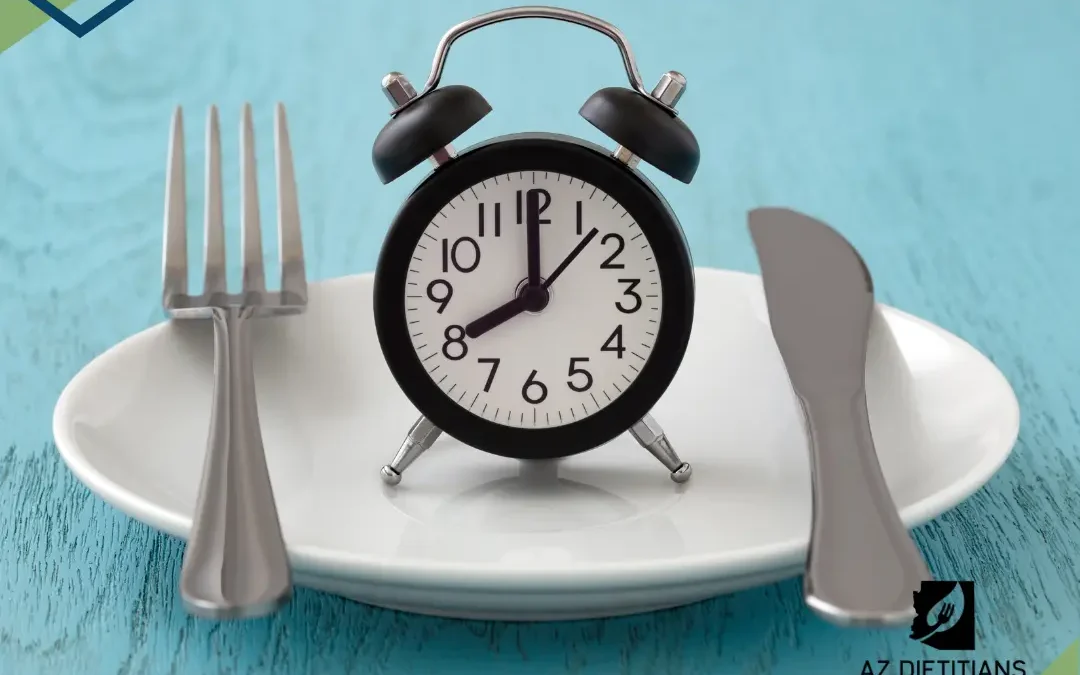
Fasting can affect women differently depending on factors like age, activity level, hormonal health, and reproductive status. Learn what research says about intermittent fasting, PCOS, menstrual health, bone density, and more.

Could the ultra-processed foods you eat regularly be affecting your brain health? Learn about the potential connections between ultra-processed foods, memory, mood, inflammation, and cognitive health, along with simple ways to make more nutritious choices.

Wondering what to eat after gallbladder removal? Learn how your diet may need to change after surgery and get practical tips for supporting digestion as your body adjusts.