Retatrutide Peptide
You've probably already heard of GLP-1 medications like Ozempic taking over the market. However, there is a new and...

Last updated: May 1, 2026
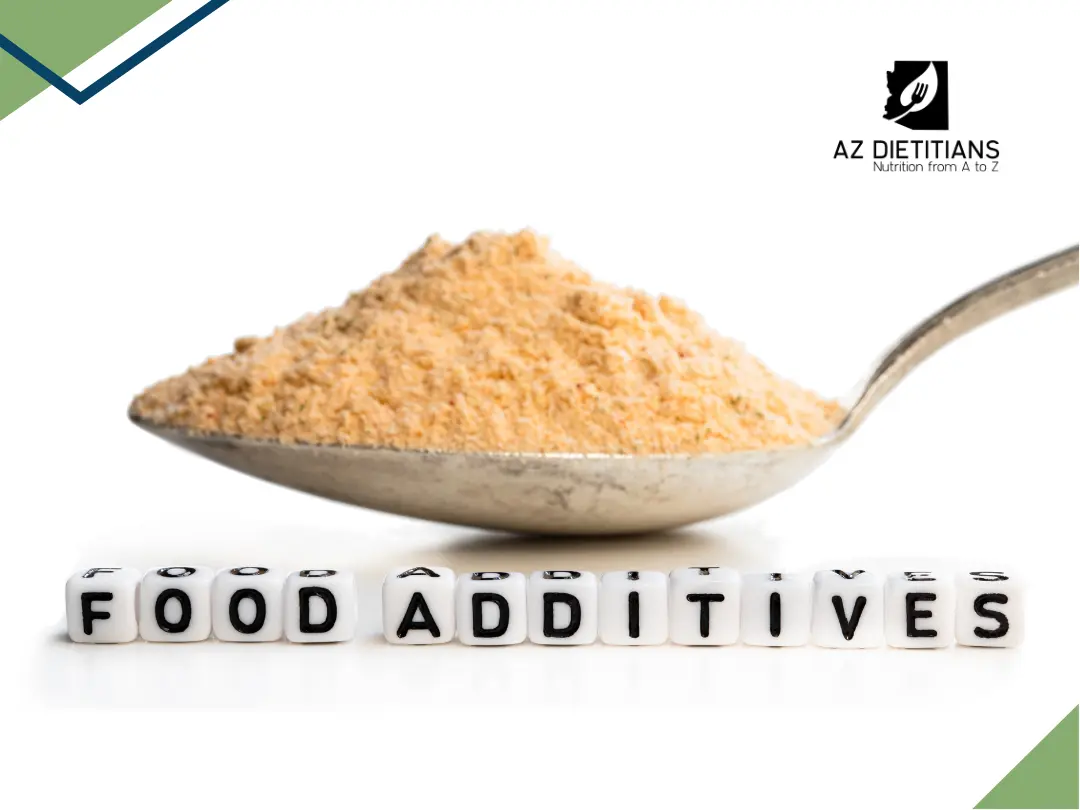
Food additives are common ingredients in many of the foods we eat, and they serve a variety of purposes, like improving texture, flavor, and shelf-life. Most additives are safe to consume and are regulated by the FDA to ensure they don’t pose harm when used appropriately. Learning about what’s in our food can help us make informed choices and understand how different ingredients affect our health. This guide highlights some additives that research has shown may have effects to be aware of, along with practical tips for choosing and preparing foods in ways that work for you.
A food additive is something added to food to have a positive effect, like improving texture, flavor, color, or giving the product a longer shelf-life. Some common additives you may have heard of are soy lecithin, cellulose gum, xanthan gum, and maltodextrin.
Before a food additive can be used, the FDA must approve it. They look at things like:
Some additives are labeled Generally Recognized As Safe (GRAS). This list includes additives that are generally and widely recognized as safe. Some examples of additives on the GRAS list include salt, vinegar, black pepper, and canola oil.
Certain additives may affect health if eaten in large amounts. These include:
Trans fats are found in small amounts in animal products like milk, butter, cheese and red meat, or they may be artificial. Artificial trans fats are made when vegetable oils are changed to be solid at room temperature. They can lower “good” cholesterol (HDL), raise “bad” cholesterol (LDL), and increase the chance of heart disease. Even if the label says 0 grams, products with “partially hydrogenated oil” may still have small amounts. Saturated fats, naturally found in the same foods, can also raise LDL cholesterol if eaten in excess. Because both types of fat can affect blood cholesterol and heart health, the American Heart Association recommends avoiding trans fats completely and limiting saturated fats to less than 10% of daily calories.
High fructose corn syrup (HFCS) is a cheap, efficient, and sweeter alternative to cane sugar, made from cornstarch. Many processed foods contain high fructose corn syrup, such as soda, packaged baked goods, candy, and some condiments such as ketchup. HFCS is high in sugar, and doesn’t have other nutrients like fiber, protein, vitamins and minerals. Eating large amounts of HFCS can lead to weight gain because the liver turns excess fructose into fat. Over time, this may increase the risk of diabetes, heart disease, or high blood pressure. The American Heart Association recommends less than 36 grams of sugar per day for men, and less than 25 grams of sugar per day for women.
These preservatives are often added to processed meats like bacon, hot dogs, and deli meats to prevent bacteria and keep the meat looking pink. When cooked at high temperatures, they can turn into nitrosamines, which may affect your heart health, and have been linked to cancer.
References
Nitrate and Nitrite in the Diet: Protective and Harmful Effects in Health and Disease – PMC
Why High Fructose Corn Syrup Is Bad for You
Trans Fats | American Heart Association
5 Food Additives You Should Avoid
Understanding How the FDA Regulates Food Additives and GRAS Ingredients | FDA
Last updated: May 1, 2026
AZ Dietitians offers in-person and virtual appointments for Arizona clients. Now offering telehealth services for clients in Colorado, Utah, and California.
You've probably already heard of GLP-1 medications like Ozempic taking over the market. However, there is a new and...

Fasting can affect women differently depending on factors like age, activity level, hormonal health, and reproductive status. Learn what research says about intermittent fasting, PCOS, menstrual health, bone density, and more.
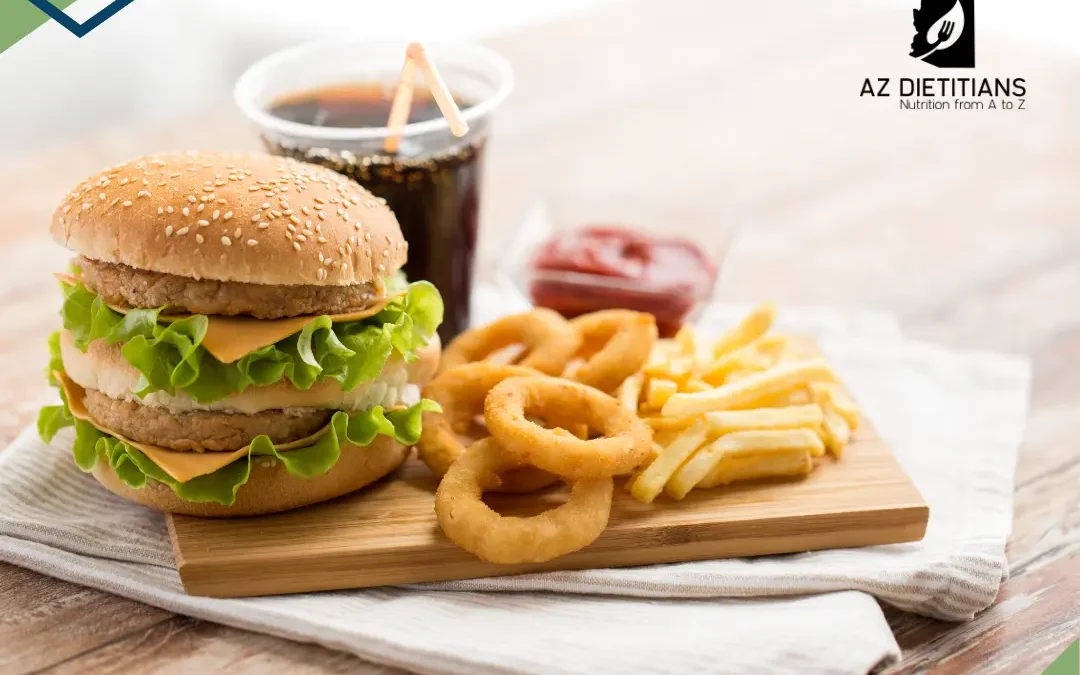
Could the ultra-processed foods you eat regularly be affecting your brain health? Learn about the potential connections between ultra-processed foods, memory, mood, inflammation, and cognitive health, along with simple ways to make more nutritious choices.

Wondering what to eat after gallbladder removal? Learn how your diet may need to change after surgery and get practical tips for supporting digestion as your body adjusts.