Retatrutide Peptide
You've probably already heard of GLP-1 medications like Ozempic taking over the market. However, there is a new and...

Last updated: February 5, 2026
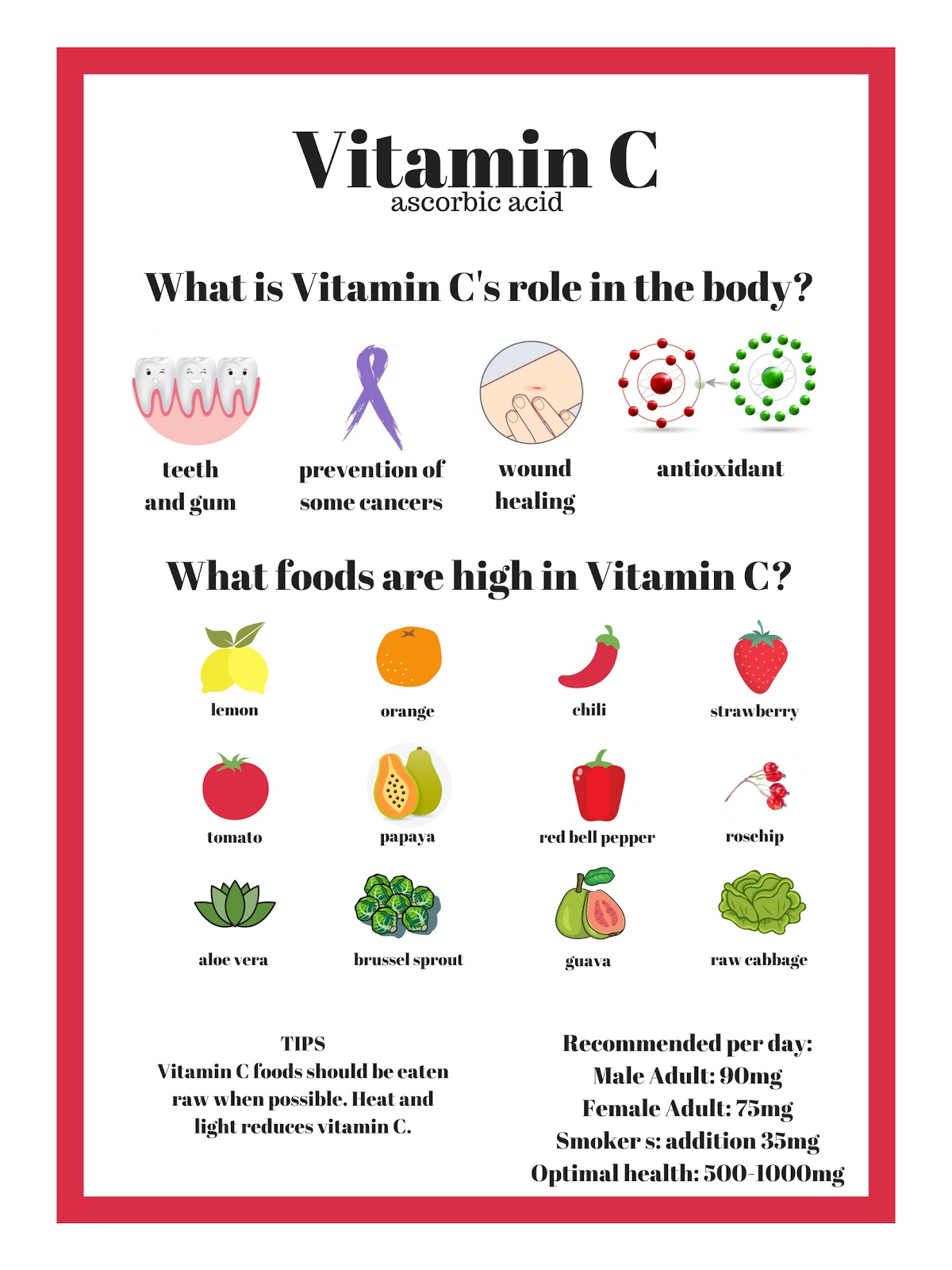
Vitamin C, also known as ascorbic acid, is a water-soluble nutrient found in some foods. In the body, it acts as an antioxidant, helping protect cells from damage. It’s also responsible for making collagen, which is a protein required to help wounds heal. In addition, it improves the absorption of iron from plant-based foods and helps the immune system work properly to protect the body from disease. These are just a few of the most important functions of this critical nutrient.
Fruits and vegetables are the best sources of this important vitamin. And, eating them raw will help them retain their full nutrient value. You can get your recommended daily amount of vitamin C by eating a variety of foods, including:
Heat and light reduces vitamin C in foods, so it is best to eat them raw whenever possible.
The recommended daily amount of Vitamin C for an adult male is 90mg and for an adult female is 75mg. If you are a smoker you will need an additional 35mg. If you need help getting the right amount of vitamins and minerals in your daily diet, schedule an appointment with one of our registered dietitians. We will be happy to help you formulate a nutrition plan that will help you look and feel your best!
Information adapted from: ods.od.nih.gov
Last updated: February 5, 2026
AZ Dietitians offers in-person and virtual appointments for Arizona clients. Now offering telehealth services for clients in Colorado, Utah, and California.
You've probably already heard of GLP-1 medications like Ozempic taking over the market. However, there is a new and...

Fasting can affect women differently depending on factors like age, activity level, hormonal health, and reproductive status. Learn what research says about intermittent fasting, PCOS, menstrual health, bone density, and more.
Could the ultra-processed foods you eat regularly be affecting your brain health? Learn about the potential connections between ultra-processed foods, memory, mood, inflammation, and cognitive health, along with simple ways to make more nutritious choices.

Wondering what to eat after gallbladder removal? Learn how your diet may need to change after surgery and get practical tips for supporting digestion as your body adjusts.