

The Importance of Breakfast: How Your Morning Meal Can Support Your Health
Breakfast is often called the most important meal of the day, but is there research to support that claim? While...

Last updated: February 5, 2026
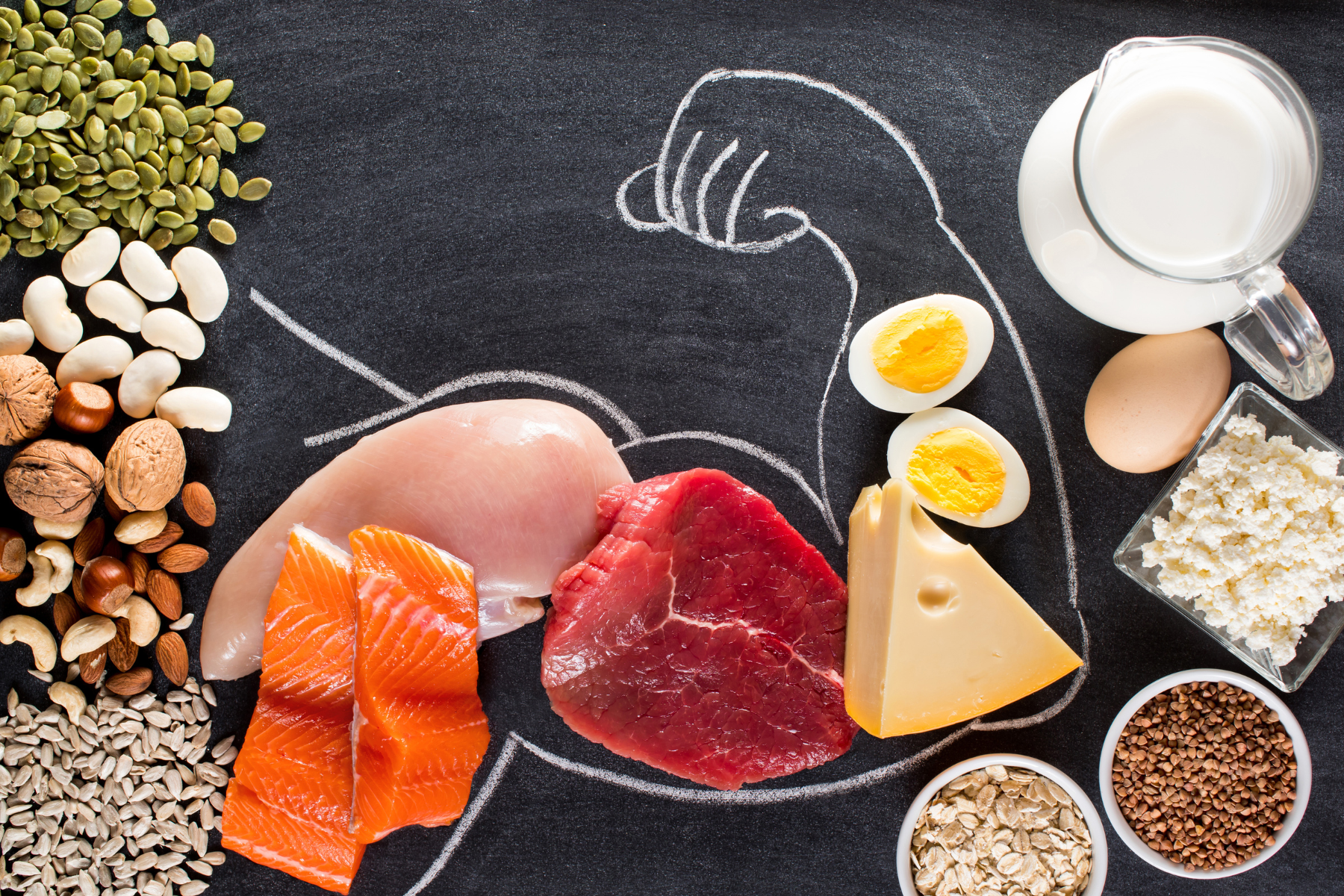
Protein is an essential macronutrient that plays a critical role in growth, repair, and overall health. Understanding its importance throughout the life cycle, optimal intake levels, food sources, and amino acid composition is key to meeting nutritional needs.
Protein requirements vary by age, physiological state, and activity level. Infants need the highest intake relative to body weight for rapid growth, with the Recommended Dietary Allowance (RDA) set at 1.52 g/kg/day for the first six months of life (1). During childhood and adolescence, protein supports growth spurts and development, with needs ranging from 0.95 to 1.05 g/kg/day (1). Adults require 0.8 g/kg/day; however, this recommendation represents a minimum to prevent deficiency, not an optimal level for health (2).
Older adults benefit from higher intake, around 1.2 to 1.5 g/kg/day, to mitigate sarcopenia and support muscle maintenance (3). Pregnant and lactating women also have increased protein needs, approximately 1.1 to 1.3 g/kg/day, to support fetal growth and milk production (4).
For athletes, protein needs are higher to promote muscle repair and adaptation, typically ranging from 1.2 to 2.0 g/kg/day depending on the intensity and type of activity (5).
High-quality protein sources contain all nine essential amino acids (EAAs) required for human health. Animal-based proteins like lean meats, poultry, fish, eggs, dairy, and whey are considered complete. Plant-based sources, such as legumes, soy, quinoa, and nuts, are excellent options, though some lack one or more EAAs and should be paired to ensure adequacy.
For individuals with dietary restrictions, options such as fortified plant milks, tofu, tempeh, and protein-enriched cereals can help bridge gaps. Including a variety of protein sources ensures a comprehensive amino acid profile.
Supplementation may be beneficial for individuals struggling to meet their needs through diet alone. Whey and casein are popular options for athletes due to their high leucine content, which is vital for muscle protein synthesis. Plant-based protein powders like pea and rice protein are alternatives for those avoiding dairy (6).
Supplementation may also be warranted in older adults or individuals recovering from illness, as their appetite or digestion may be compromised. However, it is important to emphasize food-first approaches and use supplements only as a complement.
Amino acids are the building blocks of protein, categorized as essential, non-essential, and conditionally essential. Essential amino acids (EAAs) cannot be synthesized by the body and must come from the diet. Among these, leucine, isoleucine, and valine (branched-chain amino acids or BCAAs) are crucial for muscle repair and recovery.
Non-essential amino acids, such as alanine and glutamine, are synthesized by the body but play important roles in energy metabolism and immune function. Conditionally essential amino acids, like arginine, may become essential during periods of stress, illness, or growth.
In summary, protein is essential at every stage of life, supporting growth, maintenance, and recovery. By prioritizing high-quality food sources, understanding amino acid roles, and supplementing when needed, individuals can optimize their health and well-being.
National Academies of Sciences, Engineering, and Medicine. Dietary Reference Intakes for Energy, Carbohydrate, Fiber, Fat, Fatty Acids, Cholesterol, Protein, and Amino Acids. Washington, DC: The National Academies Press; 2005.
Phillips SM. The impact of protein quality on the promotion of resistance exercise-induced changes in muscle mass. Nutr Metab (Lond). 2016;13:64.
Bauer J, et al. Evidence-based recommendations for optimal dietary protein intake in older people: A position paper from the PROT-AGE Study Group. J Am Med Dir Assoc. 2013;14(8):542-559.
Institute of Medicine. Nutrition During Pregnancy and Lactation. Washington, DC: National Academies Press; 1990.
Thomas DT, Erdman KA, Burke LM. Position of the Academy of Nutrition and Dietetics, Dietitians of Canada, and the American College of Sports Medicine: Nutrition and athletic performance. J Acad Nutr Diet. 2016;116(3):501-528.
Wilkinson DJ, et al. Effects of leucine and its metabolites on human skeletal muscle protein metabolism. J Physiol. 2013;591(11):2911-2923.
Last updated: February 5, 2026
AZ Dietitians offers in-person and virtual appointments for Arizona clients. Now offering telehealth services for clients in Colorado, Utah, and California.
Breakfast is often called the most important meal of the day, but is there research to support that claim? While...
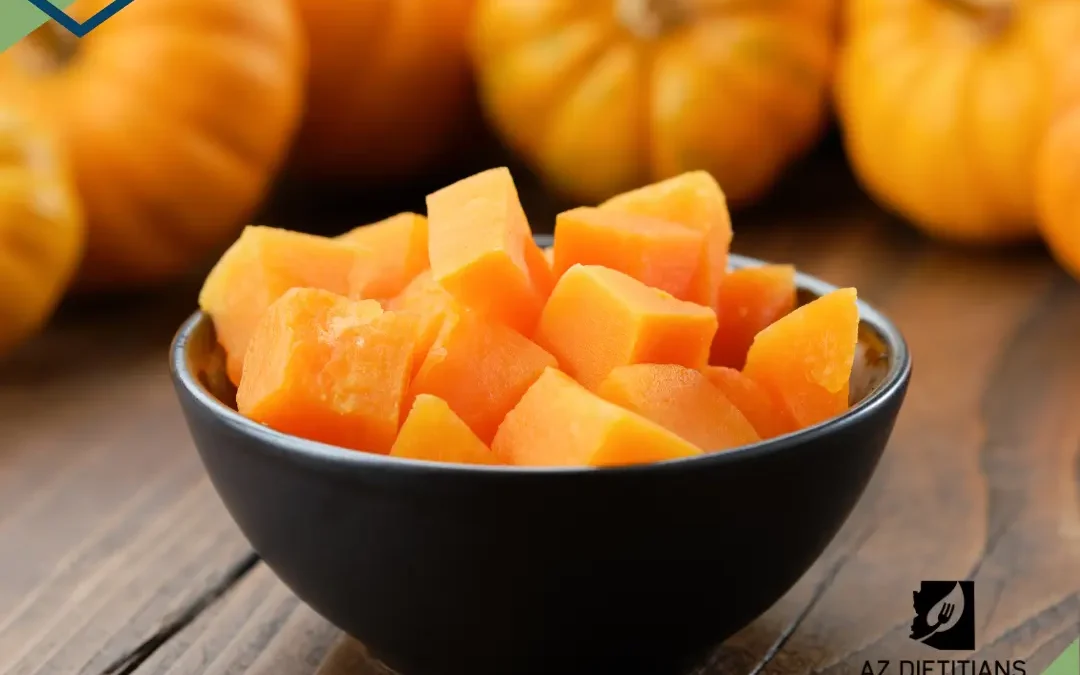
Pumpkin is more than a seasonal favorite! Packed with vitamins, minerals, fiber, and beneficial plant compounds, pumpkin flesh, seeds, and oil offer a variety of nutritional benefits. Discover how pumpkin can support your overall wellness and explore simple ways to enjoy this versatile ingredient in your everyday meals.
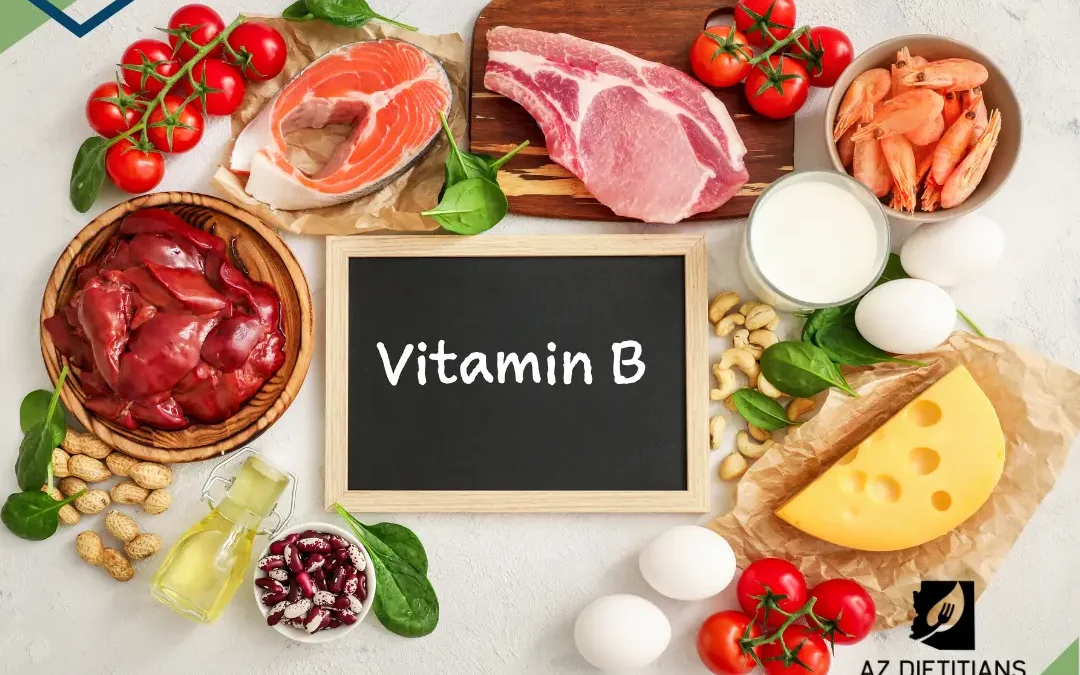
B vitamins play essential roles in energy production, metabolism, nerve function, and overall health. Discover the eight B vitamins, what each one does, and which foods can help you meet your nutritional needs.

Retatrutide is an investigational peptide generating excitement for its potential effects on weight loss, blood sugar, and metabolic health. Learn what current research says about how it works, how it compares to Ozempic, and important safety concerns to consider.