Last updated: June 10, 2026
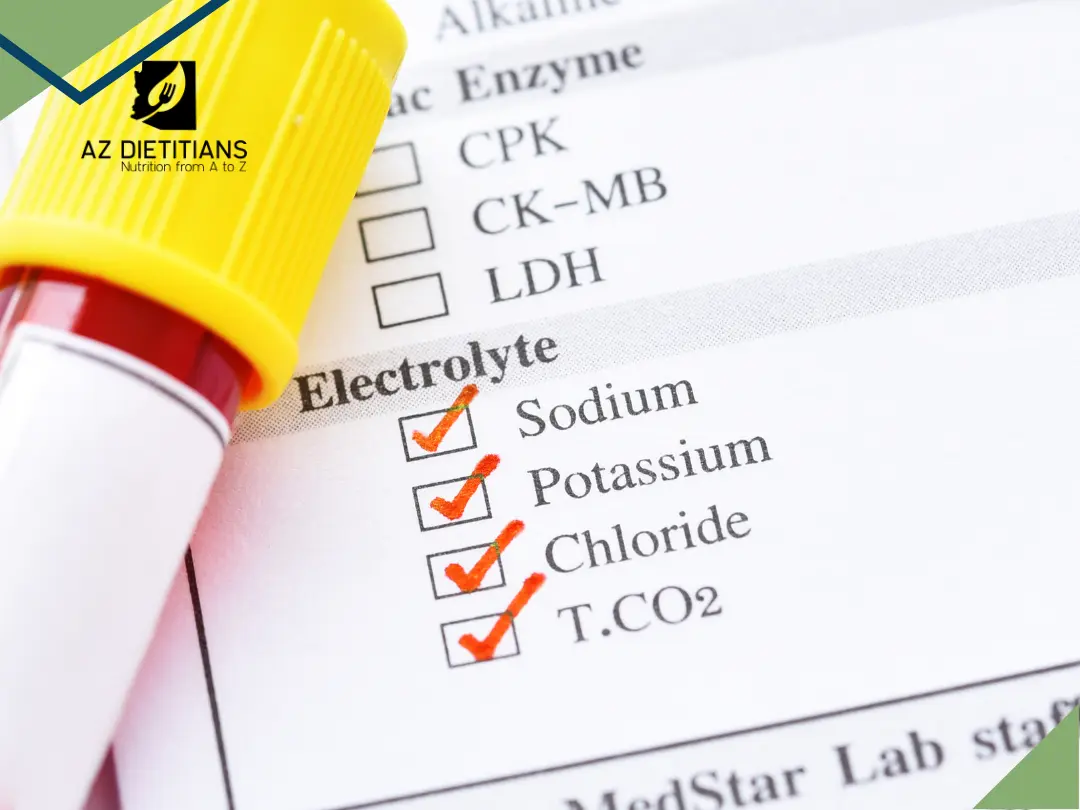
Electrolytes play a critical role in keeping our bodies functioning properly every single day. From maintaining hydration to supporting muscle contractions and heart rhythm, these minerals help regulate many essential processes. When electrolyte levels fall out of balance, it can lead to symptoms like fatigue, headaches, muscle cramps, and digestive changes. Understanding what electrolytes are, why they matter, and how to maintain proper balance can help you support overall health and prevent common hydration-related issues.
What are Electrolytes?
Electrolytes are minerals in our bodies that have an electrical charge. We can consume electrolytes through the food we eat or through drinking fluids. Once consumed, electrolytes dissolve into the water that makes up most of our body mass. They create an electrical current throughout our bodies, which helps with different chemical reactions and is crucial to hydration and fluid balance. So, what minerals are considered electrolytes?
- Sodium: improves hydration by helping body retain water
- Potassium: regulates heart rhythm and improves muscle contraction
- Calcium: aids in nerve signaling and muscle contraction; key component of skeletal system
- Bicarbonate: maintains the body’s pH levels
- Magnesium: helps with energy production, aids in nerve signaling and muscle contraction, and regulates heart rhythm
- Chloride: improves hydration and aids in creating digestive juices
- Phosphorus: helps in energy production, nerve signaling, and muscle contraction
As you can see, these electrolytes, when combined, aid a wide variety of body systems including the nervous system, cardiovascular system, musculoskeletal system, digestive system. On top of that, they play a large role in hydration and keeping fluids regulated throughout our bodies. It is easy to see that these minerals are crucial to our daily functions.

Electrolyte Imbalances: Signs and Symptoms
At this point, it is obvious that electrolytes are important. So, what happens when we don’t have enough of them or when they are imbalanced? This is referred to as electrolyte imbalance and can be an uncomfortable and even dangerous state to be in. Electrolyte imbalance can result from a variety of things including dehydration, over hydration, excessive sweating, and more serious conditions like cancer, eating disorders, and liver disease.
Symptoms of electrolyte imbalance include:
- Confusion
- Irregular stool (diarrhea or constipation)
- Spasming or cramping muscles
- Cardiac arrythmia (irregular heartbeat)
- Tiredness/fatigue
- Headaches
- Nausea/vomiting
Now, it is important to note that serious electrolyte imbalances, typically caused by severe malnourishment or disease, can be dangerous and must be diagnosed and treated by a medical professional. However, the most common electrolyte imbalances are results of hydration issues and have easy solutions. These minor imbalances are usually characterized by headaches, tiredness, and small muscle twitches.
Electrolyte Imbalances: Prevention and Treatment
So, how can electrolyte imbalances be treated? Well, as mentioned before, severe imbalances must be treated by a medical professional. However, minor imbalances can easily be treated yourself!
First, let’s talk about prevention! The best wat to treat an electrolyte imbalance is to avoid it in the first place. This can be done by staying hydrated and eating foods and drinking drinks that are rich in electrolyte minerals.
Some electrolyte-rich foods include:
- Leafy greens
- Bananas
- Avocados
- Milk
- Coconut water
- Olives
- Beans
- Nuts and seeds
Now, say it’s a hot day and you feel like you’re low on electrolytes. Maybe you’ve been sweating and not drinking enough water. There are quick and easy solutions for you! You can definitely eat electrolyte-rich foods to help slowly restore your balance. However, there are electrolyte powders and drinks that your body can absorb faster, making them a quick solution. Talk to your doctor or a nutrition professional about what electrolyte mix would be best for you!
References:
1) Cleveland Clinic Medical Professionals. “Electrolyte Imbalance: Types, Symptoms, Causes & Treatment.” Cleveland Clinic, 18 Dec. 2025, my.clevelandclinic.org/health/symptoms/24019-electrolyte-imbalance. Accessed 08 Mar. 2026.
2) Shrimanker, Isha, and Sandeep Bhattarai. “Electrolytes.” StatPearls [Internet]., U.S. National Library of Medicine, 24 July 2023, www.ncbi.nlm.nih.gov/books/NBK541123/. Accessed 08 Mar. 2026.
Written By: AZ Dietitians
Last updated: June 10, 2026