Retatrutide Peptide
You've probably already heard of GLP-1 medications like Ozempic taking over the market. However, there is a new and...


Last updated: May 27, 2026
Whether you’ve been going to the gym for years or just starting your fitness journey, you’ve probably heard that, “What you eat before and after your workout matters.” But what does this mean, what does science say about it, and how can you use this information to optimize your performance and results?
The short answer: they both matter, and they both serve different purposes.
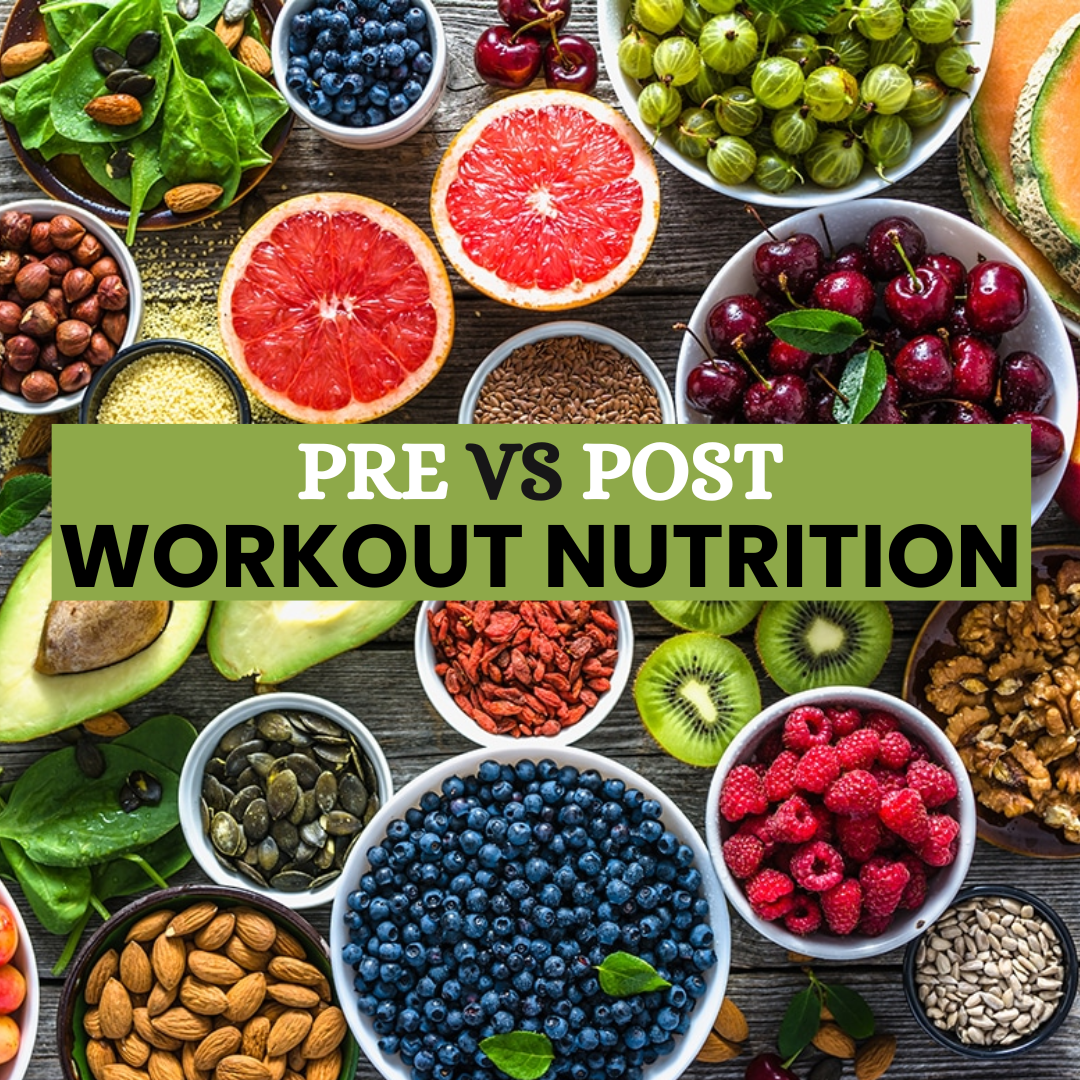
Your body is constantly using fuel, and exercise places stress on your muscles and energy systems. During training, your body relies heavily on stored carbohydrates (called glycogen) and circulating glucose for fuel. After training, your body enters a recovery phase, repairing muscle tissue and replenishing energy stores. Providing the right nutrients before and after workouts supports both performance and recovery.
Total daily nutrition is the biggest factor in making progress, but nutrient timing can enhance how effectively your body responds to training.
The goal of pre-workout nutrition is to provide energy that is quickly ready, to improve training quality and prevent or delay fatigue. Carbohydrates are especially important because they help maintain blood glucose levels and preserve muscle glycogen during exercise. Research shows that consuming carbohydrates before moderate to high-intensity exercise improves endurance and performance. Including a moderate amount of protein may also support muscle protein balance, especially if training is several hours after your last full meal.
Pre-workout Examples:
Balanced meals (2-3 hours before):
Lighter snacks (30-90 minutes before):
After exercise, your muscles are ready to be repaired. Exercise increases muscle protein breakdown, and consuming protein afterward stimulates the rebuilding process that strengthens muscle tissue (called muscle protein synthesis). Carbohydrates are equally important after exercise because they replenish those glycogen stores that were lost during exercise. The combination of carbohydrates and protein after exercise is important for rebuilding muscle and restoring energy. Timing does not need to be exact, but a balanced meal within a couple of hours has many benefits.
Post-workout Examples:
Whole-food recovery meals:
Quick recovery options (if you know you won’t have a full meal for awhile):
Neither pre-workout or post-workout are “more” important; they provide different things that complement each other. Pre-workout nutrition supports performance and energy while post-workout nutrition supports muscle building and energy restoration. For most individuals, overall daily protein and calorie intake matter more than perfect timing. However, when workouts are intense or frequent, paying attention to both pre and post-exercise fuel can have an impact on results.
Here is a simple key takeaway you can apply:
OR
Consistency, total daily intake, and quality food choices make the most impact on your results, but timing enhances the process.
References:
Kerksick, C. M., Wilborn, C. D., Roberts, M. D., Smith-Ryan, A., Kleiner, S. M., Jäger, R., Collins, R., Cooke, M., Davis, J. N., Galvan, E., Greenwood, M., Lowery, L. M., Wildman, R., Antonio, J., & Kreider, R. B. (2018). ISSN exercise & sports nutrition review update: research & recommendations. Journal of the International Society of Sports Nutrition, 15(1), 38. https://doi.org/10.1186/s12970-018-0242-y
Ivy J. L. (2004). Regulation of muscle glycogen repletion, muscle protein synthesis and repair following exercise. Journal of sports science & medicine, 3(3), 131–138.
Last updated: May 27, 2026
AZ Dietitians offers in-person and virtual appointments for Arizona clients. Now offering telehealth services for clients in Colorado, Utah, and California.
You've probably already heard of GLP-1 medications like Ozempic taking over the market. However, there is a new and...

Fasting can affect women differently depending on factors like age, activity level, hormonal health, and reproductive status. Learn what research says about intermittent fasting, PCOS, menstrual health, bone density, and more.
Could the ultra-processed foods you eat regularly be affecting your brain health? Learn about the potential connections between ultra-processed foods, memory, mood, inflammation, and cognitive health, along with simple ways to make more nutritious choices.

Wondering what to eat after gallbladder removal? Learn how your diet may need to change after surgery and get practical tips for supporting digestion as your body adjusts.