
Nutrition and Immunity
Your First Line of Defense Starts on Your Plate As the weather cools down and cold and flu season approaches, many...

Last updated: October 22, 2026
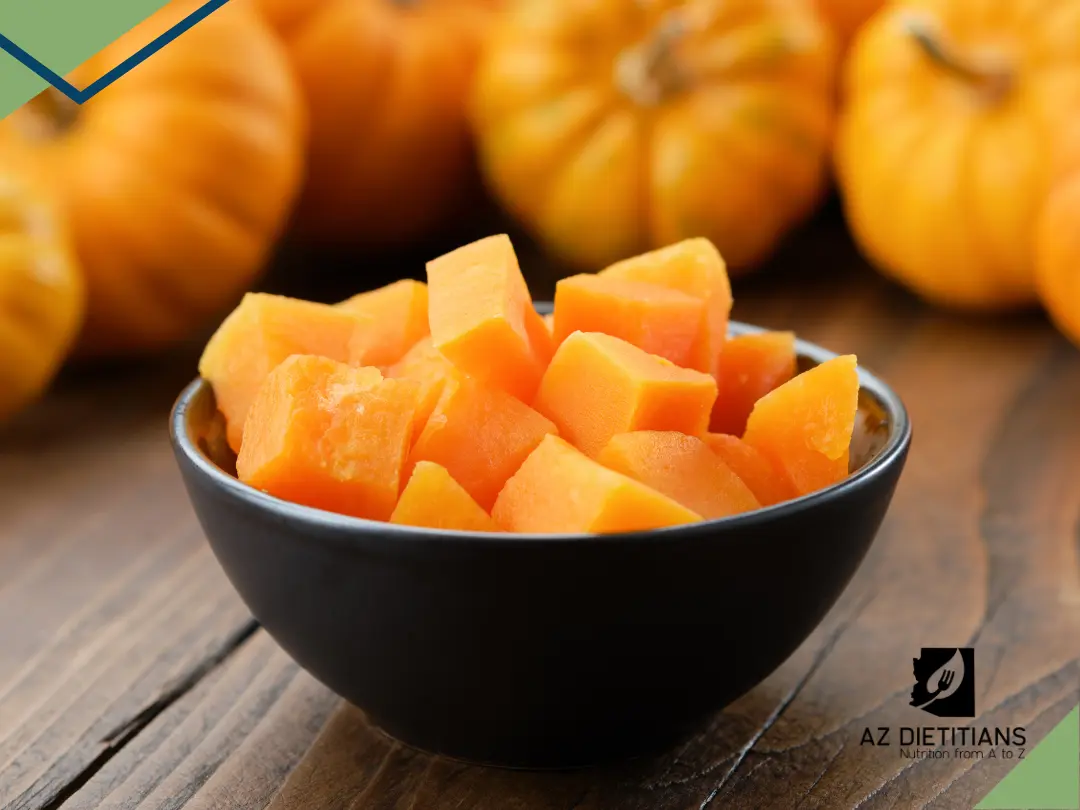
Autumn is here, the weather is getting cooler, and stores are filling up with pumpkins—a favorite of the season. You might be wondering: does pumpkin have a place in a well-rounded diet? Let’s take a look at what pumpkin can do for your body.
You can eat many parts of a pumpkin in different recipes. The inside (called the flesh), the seeds, and the skin all have different healthy nutrients and amounts of calories.
Pumpkin has lots of special nutrients called carotenoids that help your eyes stay healthy. It also provides many important vitamins, including vitamin C, vitamin E, vitamin A, vitamin K, and B vitamins. The inside and outside (peel) of pumpkin have important minerals, such as potassium, phosphorus, calcium, and magnesium. The seeds have even more minerals, like zinc, iron, manganese, copper, and selenium. These nutrients work together to help your body stay strong and healthy, especially during the colder months of fall and winter (1).
Pumpkin has natural plant chemicals that help protect your body’s cells and lower swelling or inflammation. It also has nutrients that help your body make serotonin, which helps you feel happy and calm (1).
Adding pumpkin to your diet can provide many potential health and wellness benefits.
After hearing about the nutritional benefits of pumpkin, you might be wondering: How can I add more pumpkin into my diet? There are many ways to add pumpkin to the foods you already eat, or you can add new pumpkin favorites to your kitchen’s fall menu!
Overall, pumpkin is a delicious and nutritious food that you can enjoy in lots of different ways. Next time you see pumpkins at the store, think about picking one up to use in a tasty new recipe for you and your family.
References
(1) Batool, M., Ranjha, M. M. A. N., Roobab, U., Manzoor, M. F., Farooq, U., Nadeem, H. R., Nadeem, M., Kanwal, R., AbdElgawad, H., Jaouni, S. K. A., Selim, S., & Ibrahim, S. A. (2022). Nutritional value, phytochemical potential, and therapeutic benefits of pumpkin (Cucurbita sp.). Plants, 11(11), 1394. https://doi.org/10.3390/plants11111394
Last updated: October 22, 2026
AZ Dietitians offers in-person and virtual appointments for Arizona clients. Now offering telehealth services for clients in Colorado, Utah, and California.
Your First Line of Defense Starts on Your Plate As the weather cools down and cold and flu season approaches, many...
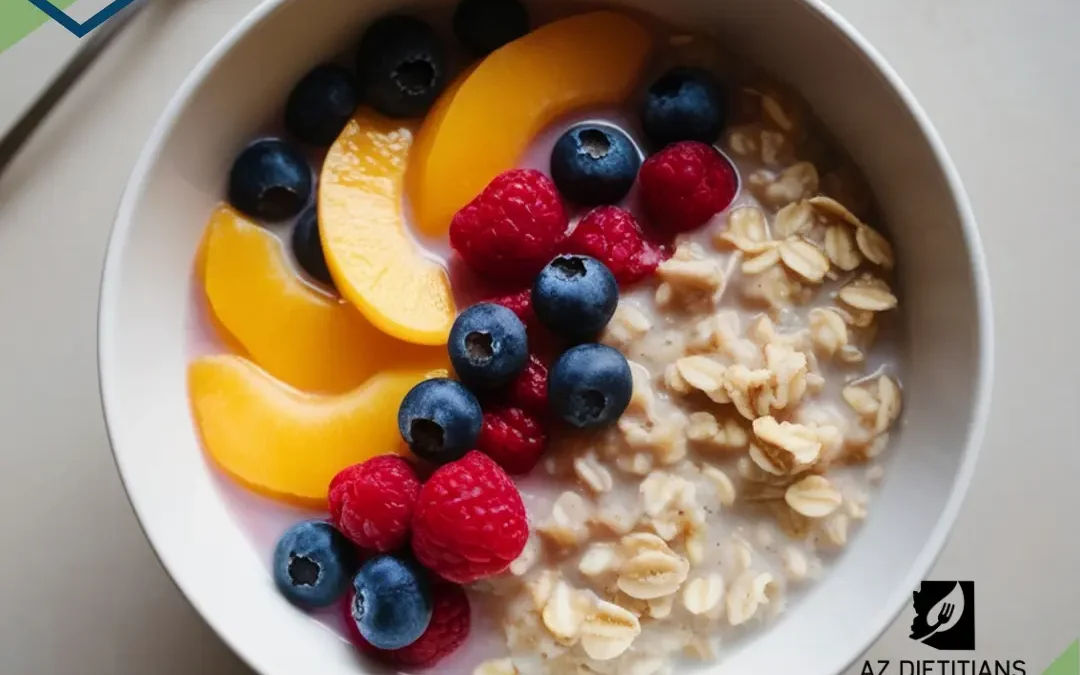
A balanced morning meal can help you meet your daily nutrient needs, support cognitive performance, and maintain steady energy and blood sugar levels. Discover the benefits of breakfast, simple ideas for building a nutritious morning meal, and how to make choices that support your individual health and nutrition goals.
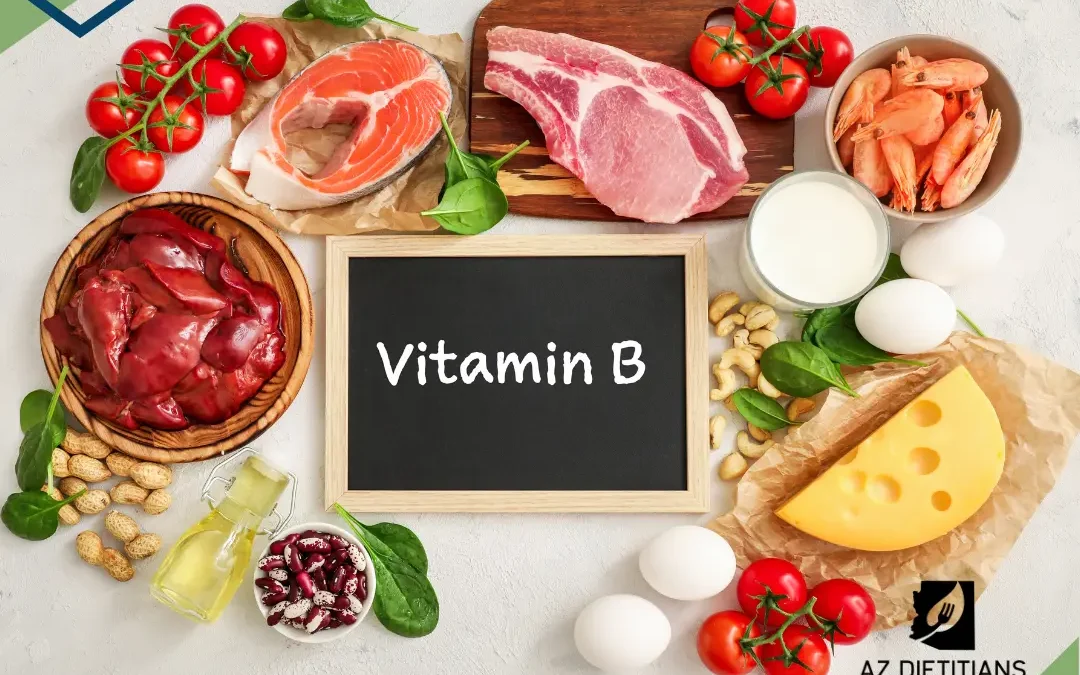
B vitamins play essential roles in energy production, metabolism, nerve function, and overall health. Discover the eight B vitamins, what each one does, and which foods can help you meet your nutritional needs.
Retatrutide is an investigational peptide generating excitement for its potential effects on weight loss, blood sugar, and metabolic health. Learn what current research says about how it works, how it compares to Ozempic, and important safety concerns to consider.