
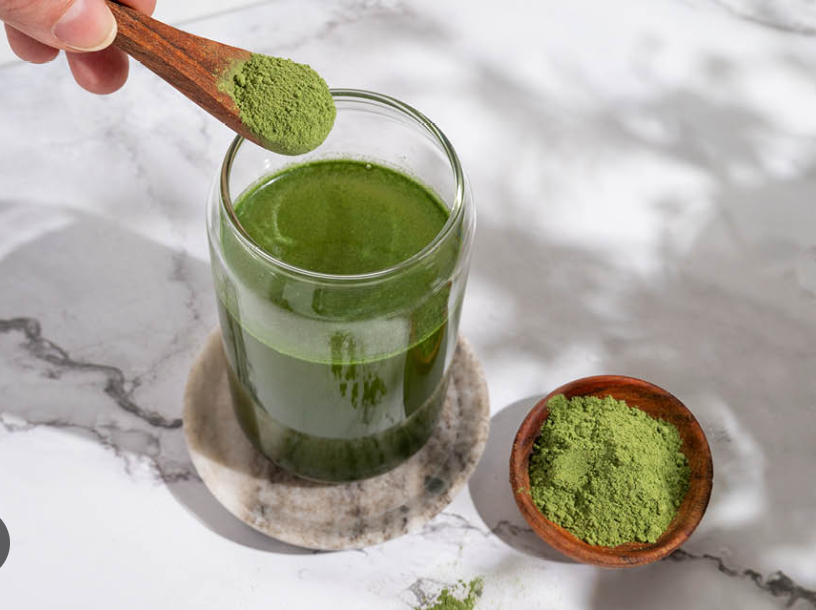
Greens Powders vs. Eating Vegetables: Can a Scoop Replace Your Greens?
Greens powders have become a popular addition to smoothies, water bottles, and morning routines. Marketed as a...

Last updated: October 7, 2026
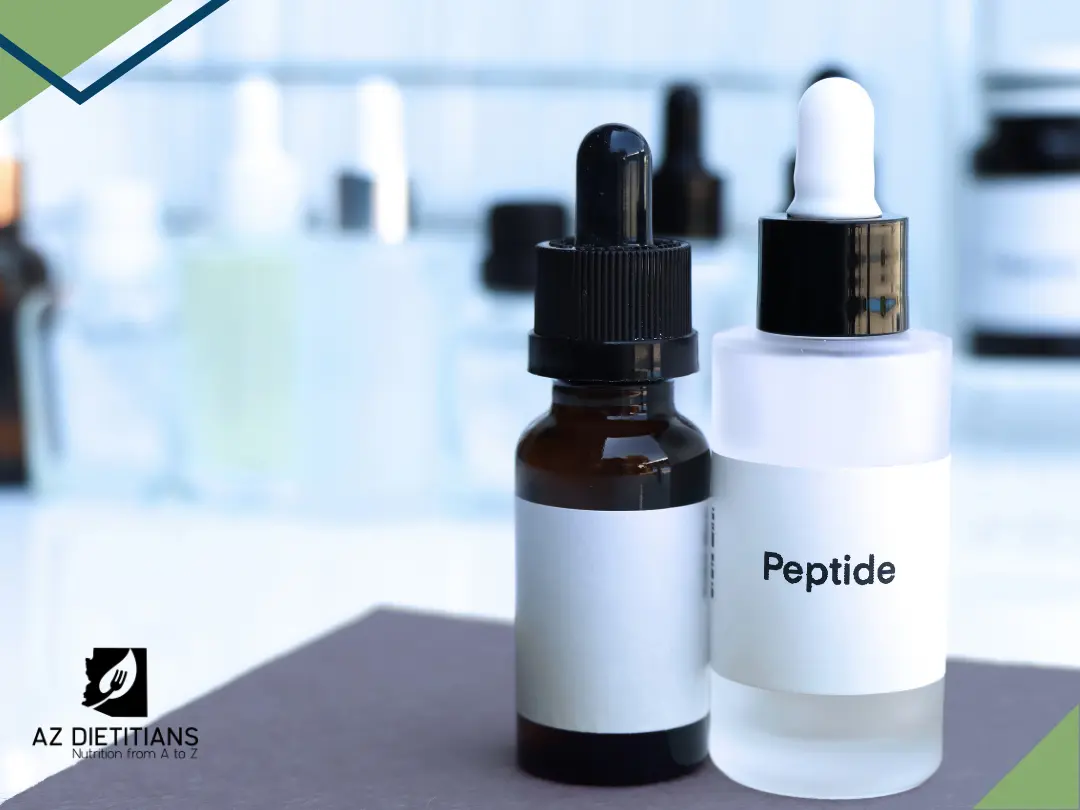
You’ve probably already heard of GLP-1 medications like Ozempic taking over the market. However, there is a new and upcoming peptide that is already gaining a reputation as a “better” version of current GLP-1s. We’ll cover what the research has to say about this new peptide, but first things first:
You’ve probably heard of proteins. Well, if you break apart a protein molecule, you’ll get its fundamental building blocks called amino acids. But before these building blocks come together to make proteins, they first form shorter, simpler chains called peptides.
Although peptides and proteins are both made up of amino acids, their structures allow for very different functions. In this blog, we will focus on the functions of peptides.
There are so many different types of peptides that essentially carry specific messages to the body. Some peptides signal cells to trigger growth and healing, and some signal certain hormones to activate or deactivate. Our bodies naturally create their own peptides and will sometimes get them from breaking down the proteins we eat.
Because the signals from peptides carry vital messages, scientists found ways to extract or recreate certain peptides to help activate or deactivate specific actions within our bodies.
You might have heard GLP-1 targeting medications being referred to as Ozempic or semaglutide. The new and upcoming drug Retatrutide is essentially seen as the “better,” next-generation version of Ozempic. What makes it different is that Ozempic only targets one hormone receptor pathway (GLP-1), while Retatrutide targets three hormone receptors (GLP-1, GIP, and glucagon) (1). This triple-action design is meant to make its effects much more powerful.
Let’s break down the specific messages each of these pathways carries to your body:
Because Retatrutide targets three pathways instead of just one, it tackles weight loss and blood sugar from multiple angles. In clinical studies, weekly Ozempic shows an average body weight loss of about 15% to 17%, while Retatrutide achieves an average weight loss of 24.2% after 48 weeks at its highest dosage (2).
Along with weight loss, clinical studies show other benefits that come with Retatrutide. For individuals with type 2 diabetes, studies show that this peptide can significantly lower blood sugar levels, by reducing HbA1C. HbA1C is a blood marker that shows the long-term trend of an individual’s sugar levels. In a clinical study, 72% of individuals with prediabetes returned their HbA1C levels entirely back to normal (1).
Another study looked into the effects Retatrutide can have on early-stage fatty liver disease (now called MASLD). At the highest doses, over 85% of those individuals were able to completely reverse their liver disease back to normal levels of liver fat. This is largely due to the glucagon peptide helping to clear fat from the liver (1). Finally, another study looking into heart health found that it could also potentially help lower blood pressure significantly (4).
There’s certain conditions to take caution before deciding to continue on with Retatrutide such as Type 1 diabetes, history of pancreatitis, history of thyroid cancer, and individuals with severe stomach issues. When first starting this drug, the most common side effects are gastrointestinal discomfort as the gut adjusts. This includes nausea, diarrhea, vomiting, and constipation (4). Additionally, Retatrutide may slow down how quickly food leaves the stomach, called delayed gastric emptying. Already existing stomach issues may have worsened symptoms (2).
Because there are still ongoing studies evaluating the efficacy and safety of this drug, it is currently not FDA-approved. Without solid regulations currently in place, any unapproved Retatrutide peptides available for purchase online may contain harmful contaminants and incorrect dosages (3).
Retatrutide is currently an investigational drug going through clinical trials to prove its long-term safety and efficacy. If the evidence yields strong, solidified conclusions, the FDA will review the product to clear it for the public (3). That also means products marketed online as Retatrutide may not have the same safety, quality, or dosing standards as an FDA-approved medication. It’s important to separate promising clinical-trial results from an FDA-approved treatment. If you’re considering weight-loss medications, talk with your healthcare provider about options that are currently approved and appropriate for you.
References
(1) Abdul-Rahman, T., Roy, P., Ahmed, F. K., Mueller-Gomez, J. L., Sarkar, S., Garg, N., Femi-Lawal, V. O., Wireko, A. A., Thaalibi, H. I., Hashmi, M. U., Dzebu, A. S., Banimusa, S. B., & Sood, A. (2024). The power of three: Retatrutide’s role in modern obesity and diabetes therapy. European Journal of Pharmacology, 985, Article 177095. https://doi.org/10.1016/j.ejphar.2024.177095
(2) Brzozowska, P., Frańczuk, A., Nowińska, B., Makłowicz, A., Palacz, K., & Lenartowicz, I. (2024). Retatrutide – revolutionary recently developed GLP agonist – literature review. Quality in Sport, 15, e52125. https://dx.doi.org/10.12775/QS.2024.15.52125
(3) Chentha, A. (2026, June 9). Is Retatrutide a GLP-1 or GLP-3? How It Compares to Semaglutide and Tirzepatide. Passion Health Primary Care. https://passionhealthphysicians.com/retatrutide-vs-semaglutide-tirzepatide/
(4) Rosenstock, J., Frias, J., Jastreboff, A. M., Du, Y., Lou, J., Gurbuz, S., Thomas, M. K., Hartman, M. L., Haupt, A., Milicevic, Z., & Coskun, T. (2023). Retatrutide, a GIP, GLP-1 and glucagon receptor agonist, for people with type 2 diabetes: A randomised, double-blind, placebo and active-controlled, parallel-group, phase 2 trial conducted in the USA. The Lancet, 402(10401), 529–544. https://doi.org/10.1016/S0140-6736(23)01053-X
Last updated: October 7, 2026
AZ Dietitians offers in-person and virtual appointments for Arizona clients. Now offering telehealth services for clients in Colorado, Utah, and California.
Greens powders have become a popular addition to smoothies, water bottles, and morning routines. Marketed as a...

Can the foods you eat help support your immune system? Discover how balanced nutrition, essential vitamins, protein, healthy fats, and gut-friendly foods contribute to immune health, plus simple habits you can incorporate into your daily routine.

A balanced morning meal can help you meet your daily nutrient needs, support cognitive performance, and maintain steady energy and blood sugar levels. Discover the benefits of breakfast, simple ideas for building a nutritious morning meal, and how to make choices that support your individual health and nutrition goals.

Pumpkin is more than a seasonal favorite! Packed with vitamins, minerals, fiber, and beneficial plant compounds, pumpkin flesh, seeds, and oil offer a variety of nutritional benefits. Discover how pumpkin can support your overall wellness and explore simple ways to enjoy this versatile ingredient in your everyday meals.