Eating After Gallbladder Removal: What You Should Know
Have you recently had your gallbladder removed, or are you preparing for surgery? You might be wondering how this will...

Last updated: April 1, 2026
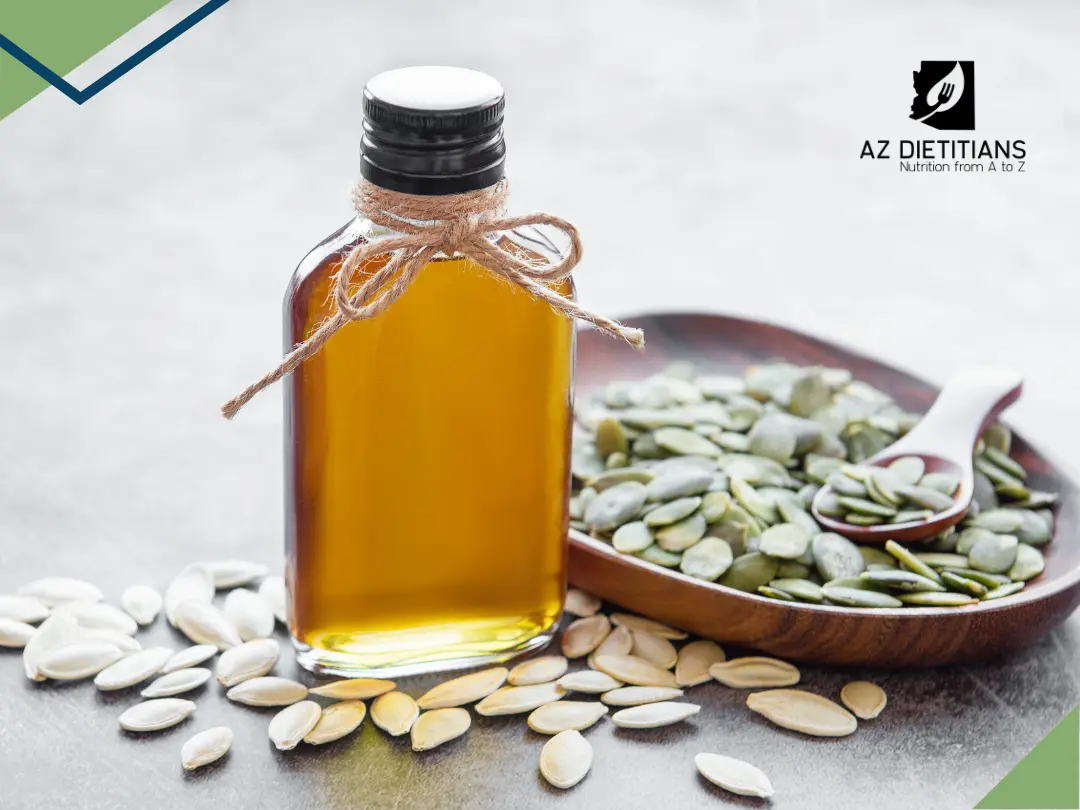
Seed oils have become one of the commonly debated topics in the media about nutrition, with many claims suggesting they cause inflammation or lead to chronic disease. They are often portrayed as harmful or “toxic,” leading many people to feel confused or fearful about using common cooking oils. However, when we look at the scientific research, the evidence tells a more balanced story.
Seed oils are made from plant seeds, including soybean, corn, sunflower, safflower, grapeseed, and canola oils. They are high in polyunsaturated fatty acids (or PUFAs), especially omega-6 fatty acids like linoleic acid. Omega-6 fats are considered essential fatty acids, meaning the body needs them but cannot make them on its own, so they are required to come from foods we eat.

One common concern is that omega-6 fatty acids increase inflammation. It is true that omega-6 fats are involved in biochemical pathways related to inflammation, but this does not mean that consuming them automatically leads to chronic inflammation.
Human studies show that higher intake of linoleic acid is not associated with increased inflammatory markers, such as one called “C-reactive protein.” In several trials, replacing saturated fats with oils high in omega-6 led to neutral or improved inflammatory outcomes. Overall, inflammation is influenced more by the quality of diet and lifestyle factors than by a single type of fat.
When used in moderation and as part of a balanced diet, there are actually several well-supported benefits:
One of the strongest areas of evidence for seed oils is cardiovascular disease prevention. A large systematic review and meta-analysis found that higher intake of linoleic acid was associated with a lower risk of coronary heart disease events and mortality (Farvid et al., 2014). This research supports nutrition recommendations that emphasize unsaturated faths as a healthier alternative to saturated fats.
Seed oils are often found in ultra-processed foods, which escalates their negative reputation. However, the health risks linked to highly processed diets are more associated with excess calories, low fiber intake, added sugars, and sodium, not the seed oils alone. When used in home cooking and included alongside whole foods such as vegetables, lean proteins, and whole grains, seed oils can be a practical and affordable fat choice.
Current scientific evidence does not support the claim that seed oils are inherently harmful. They provide essential fatty acids, support heart and metabolic health, and contribute important nutrients. Focusing on overall diet quality, rather than eliminating a single ingredient, is the most evidence-based approach.
References:
Johnson, G. H., & Fritsche, K. (2012). Effect of dietary linoleic acid on markers of inflammation in healthy persons: A systematic review of randomized controlled trials. Journal of the Academy of Nutrition and Dietetics, 112(7), 1029–1041.
Farvid, M. S., et al. (2014). Dietary linoleic acid and risk of coronary heart disease. Circulation, 130(18), 1568–1578.
Last updated: April 1, 2026
AZ Dietitians offers in-person and virtual appointments for Arizona clients. Now offering telehealth services for clients in Colorado, Utah, and California.
Have you recently had your gallbladder removed, or are you preparing for surgery? You might be wondering how this will...

Weight management is an important part of overall health but the truth is, body composition matters more than the numbers on the scale.
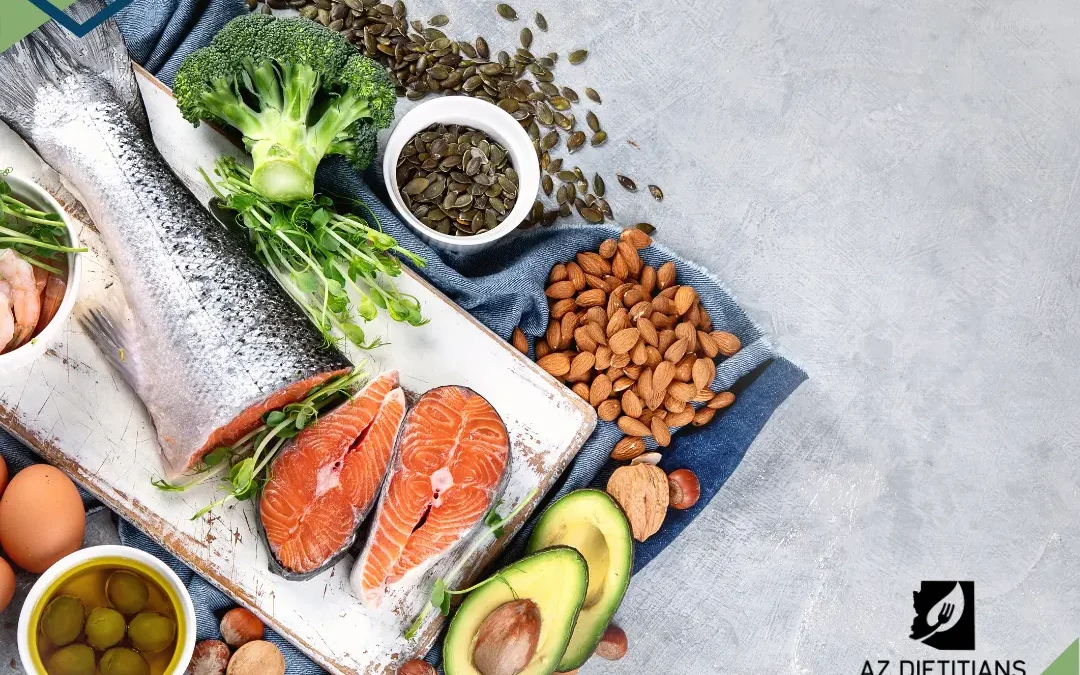
Omega-3 fatty acids are essential nutrients that can support overall health and well-being. Learn about their benefits and get practical tips from our Registered Dietitians for adding more omega-3-rich foods to your daily diet.
What is PMOS, and can inositol supplementation help? Learn about PMOS, the role of inositol, and how supplementation may help support symptom management and overall well-being.