Retatrutide Peptide
You've probably already heard of GLP-1 medications like Ozempic taking over the market. However, there is a new and...

Last updated: February 5, 2026
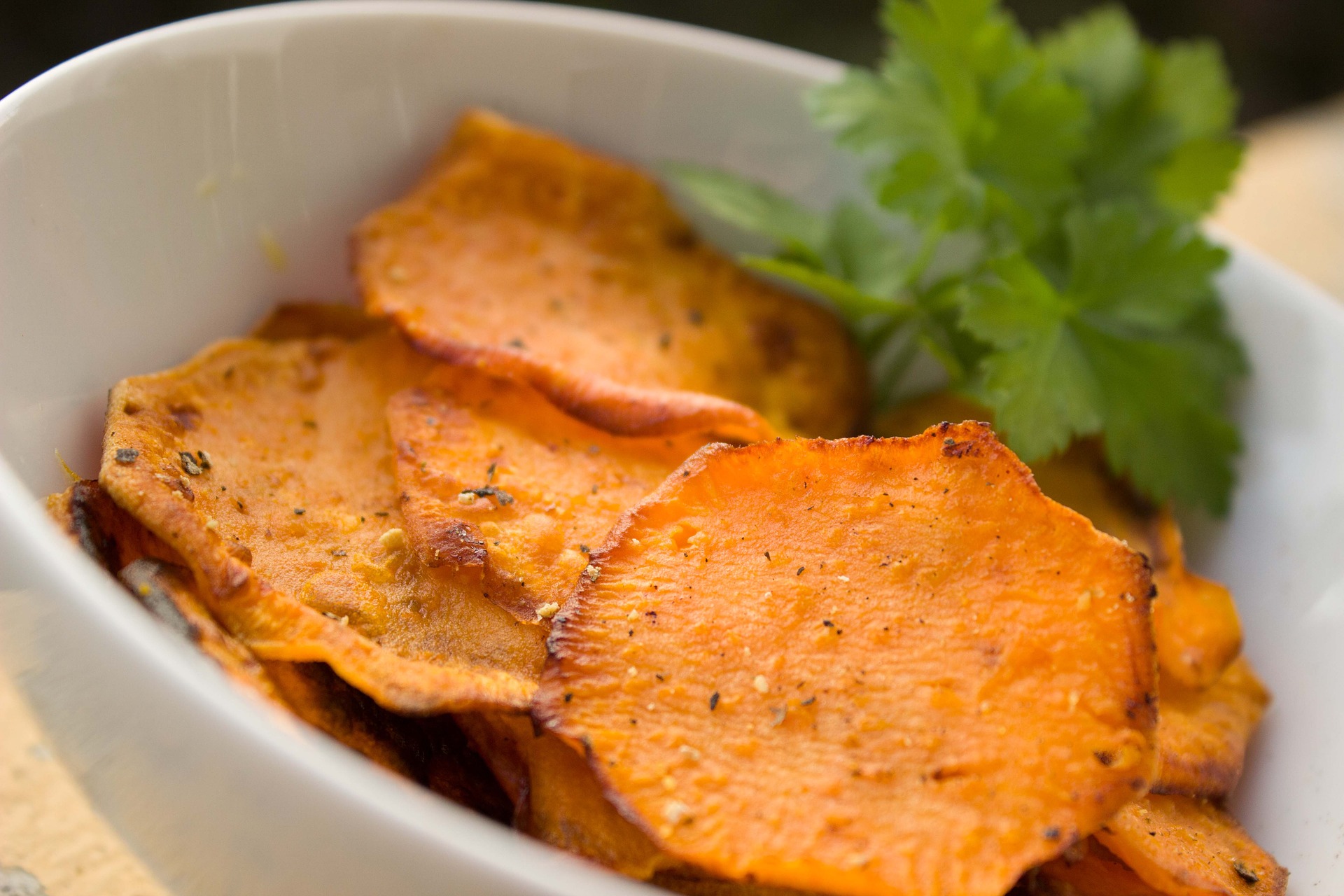
Are you in the mood for a delicious nutrient-rich, high-fiber snack?
When Autumn approaches, you might begin to think of falling leaves and comfort food. People may not always associate sweet potatoes with comfort food but here’s why they should be a kitchen staple.
There are a ton of benefits that come with consuming sweet potatoes. They are root vegetables that are packed with nutrients. These potatoes contain a high amount of fiber, vitamin B5, vitamin C, calcium, niacin, potassium, thiamin and beta-carotene.
One sweet potato has about 108 calories, 18.7 grams of carbohydrates, and 3 grams of fat. Sweet potatoes can come in various colors like white, yellow, purple and even brown.
A study showed that eating sweet potatoes may improve insulin sensitivity with those who have Type 2 Diabetes. Not only may they help increase insulin sensitivity, they may also aid in reducing constipation, reducing the risk of developing cancer, improving digestion, boosting immunity, reducing inflammation, protecting eye health, and many more. Now, knowing all these great benefits, here is a fun way to add them to your meal!
Taken From: eatingwell.com
Ingredients:
Directions:
Serving Size: About 1/2 Cup Per Serving: 92 calories; protein 1.2g; carbohydrates 18g; dietary fiber 1.9g; sugars 9.1g; fat 2g; saturated fat 1.3g; cholesterol 5.1mg; vitamin a iu 11108.3IU; vitamin c 11.8mg; folate 3.8mcg; calcium 31.7mg; iron 0.4mg; magnesium 17.6mg; potassium 294.1mg; sodium 118.9mg; thiamin 0.1mg; added sugar 5g. Exchanges:
1 1/2 Starch, 1/2 Fat
Last updated: February 5, 2026
AZ Dietitians offers in-person and virtual appointments for Arizona clients. Now offering telehealth services for clients in Colorado, Utah, and California.
You've probably already heard of GLP-1 medications like Ozempic taking over the market. However, there is a new and...

Fasting can affect women differently depending on factors like age, activity level, hormonal health, and reproductive status. Learn what research says about intermittent fasting, PCOS, menstrual health, bone density, and more.
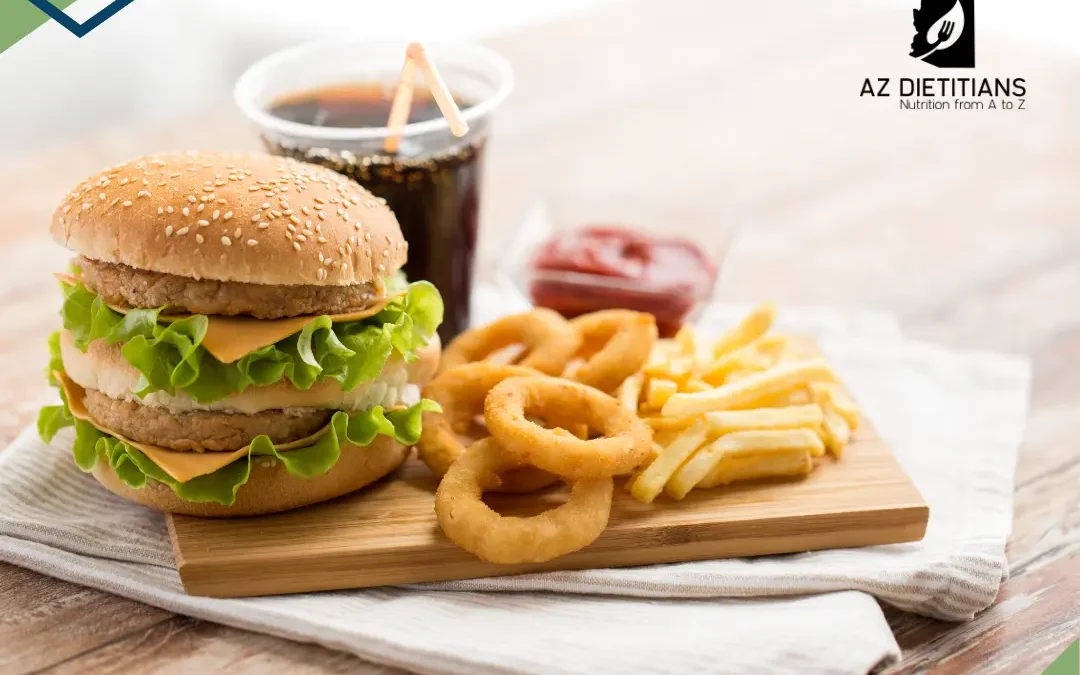
Could the ultra-processed foods you eat regularly be affecting your brain health? Learn about the potential connections between ultra-processed foods, memory, mood, inflammation, and cognitive health, along with simple ways to make more nutritious choices.

Wondering what to eat after gallbladder removal? Learn how your diet may need to change after surgery and get practical tips for supporting digestion as your body adjusts.