Retatrutide Peptide
You've probably already heard of GLP-1 medications like Ozempic taking over the market. However, there is a new and...

Last updated: April 1, 2026
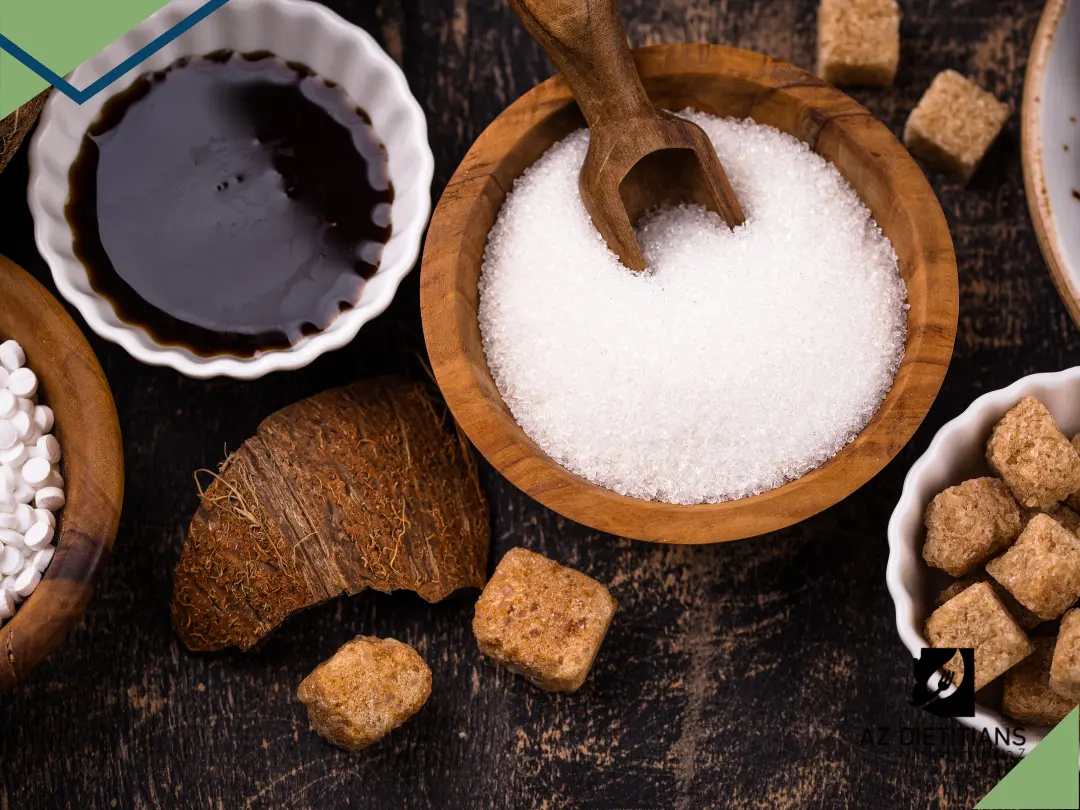
Most people assume all “fake sugars” are the same, but that is simply not true. Artificial sweeteners and sugar alcohols work differently in the body. Both are low in calories and can reduce added sugar intake, but research shows that they each have unique benefits and drawbacks, especially regarding digestion, blood sugar management, and gut health.
Artificial sweeteners are compounds with little to no calories that serve as substitutes for sugar. You’ll commonly find them in protein bars, granola, or other low- or zero-calorie foods. Examples include sucralose, aspartame, saccharin, acesulfame-K, and stevia.
Artificial sweeteners are much sweeter than sugar, so only small amounts are needed. Because of this, they generally do not affect blood glucose or insulin levels. One study found no significant difference in glycemic response when comparing different artificial sweeteners.
However, some research suggests that certain individuals may experience changes in glucose tolerance or appetite regulation after consuming artificial sweeteners. While these effects are not universal, they highlight the importance of using them in moderation and monitoring how your body responds.
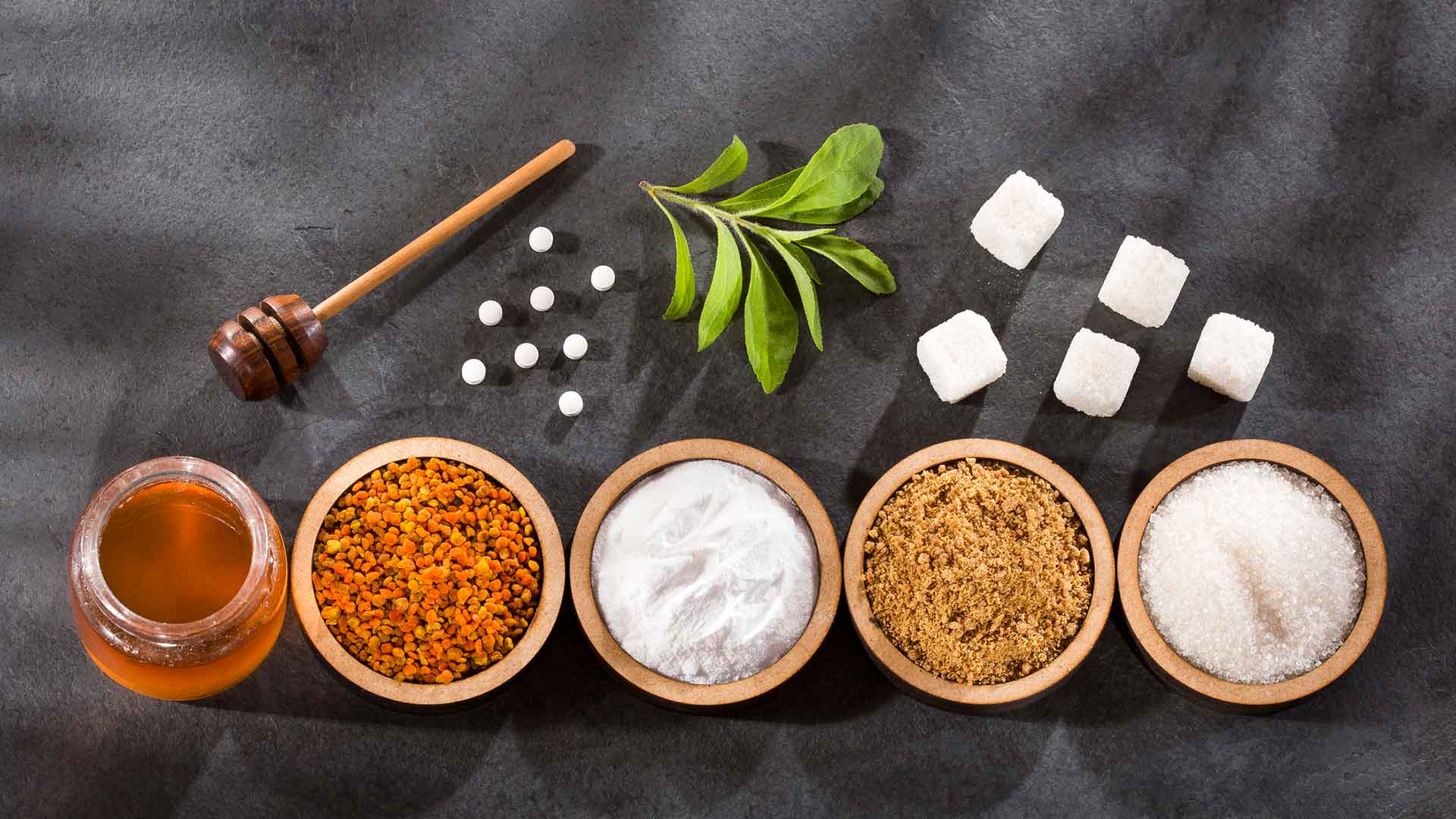
Sugar alcohols are carbohydrates that naturally occur in small amounts in fruits and vegetables but are often added to sugar-free products. Common examples include erythritol, xylitol, sorbitol, and maltitol.
Sugar alcohols are only partially absorbed in the small intestine, providing fewer calories than sugar and causing smaller increases in blood glucose. However, because they draw water into the gut, they can sometimes lead to bloating, gas, or mild digestive discomfort, especially when consumed in large amounts.
When it comes to maintaining stable blood sugar levels, artificial sweeteners have the least impact on both blood glucose and A1C levels. Sugar alcohols can cause a slight increase in blood glucose, depending on the type:
Maltitol has the highest glycemic effect.
Erythritol and xylitol have the lowest impact.
For people with diabetes, artificial sweeteners are generally considered safe when consumed in moderation. Sugar alcohols require a bit more attention, especially maltitol, due to their potential to slightly raise blood glucose levels.
Both artificial sweeteners and sugar alcohols interact differently with the gut microbiome. Some studies suggest that certain artificial sweeteners, particularly when consumed in excess, may alter gut bacteria in ways that could influence glucose metabolism.
Sugar alcohols, on the other hand, are fermented by gut bacteria in the colon, which can produce gas and cause bloating in sensitive individuals. Erythritol is an exception, as it is mostly absorbed before reaching the colon and is less likely to cause digestive discomfort. Understanding how your body responds is key to choosing the right option.
Research indicates that replacing sugar with artificial sweeteners or sugar alcohols can support calorie reduction and weight management when used strategically. Artificial sweeteners may help reduce total caloric intake without impacting blood sugar, while sugar alcohols offer a slightly lower-calorie alternative to sugar with minimal effect on glucose levels.
For blood sugar control: artificial sweeteners or erythritol
For sensitive digestion: avoid sorbitol and maltitol
For low-calorie needs: artificial sweeteners
For more natural options: stevia or erythritol
For sweet treats: sugar alcohols
In the end, no artificial sweeteners or sugar alcohols are inherently “bad” for you. When incorporated into a balanced diet and used strategically, the best choice is what works for you. Paying attention to your gut, blood sugar, and digestive comfort will help you make informed decisions about these sugar alternatives.
References:
Chiavaroli, L., Lee, D., Ahmed, A., Cheung, A., Khan, T. A., Blanco, S., Mejia, N., Mirrahimi, A., Jenkins, D. J. A., Livesey, G., Wolever, T. M. S., Rahelić, D., Kahleová, H., Salas-Salvadó, J., Kendall, C. W. C., & Sievenpiper, J. L. (2021). Effect of low glycaemic index or load dietary patterns on glycaemic control and cardiometabolic risk factors in diabetes: systematic review and meta-analysis of randomised controlled trials. BMJ, 374, n1651. https://doi.org/10.1136/bmj.n1651
Orku, S. E., Suyen, G., & Bas, M. (2022). The effect of regular consumption of four low- or no-calorie sweeteners on glycemic response in healthy women: A randomized controlled trial. Nutrition, 106, 111885. https://doi.org/10.1016/j.nut.2022.111885
Suez, J., Cohen, Y., Valdés-Mas, R., Mor, U., Dori-Bachash, M., Federici, S., Zmora, N., Leshem, A., Heinemann, M., Linevsky, R., Zur, M., Brik, R. B., Bukimer, A., Eliyahu-Miller, S., Metz, A., Fischbein, R., Sharov, O., Malitsky, S., Itkin, M., . . . Elinav, E. (2022). Personalized microbiome-driven effects of non-nutritive sweeteners on human glucose tolerance. Cell, 185(18), 3307-3328.e19. https://doi.org/10.1016/j.cell.2022.07.016
Last updated: April 1, 2026
AZ Dietitians offers in-person and virtual appointments for Arizona clients. Now offering telehealth services for clients in Colorado, Utah, and California.
You've probably already heard of GLP-1 medications like Ozempic taking over the market. However, there is a new and...

Fasting can affect women differently depending on factors like age, activity level, hormonal health, and reproductive status. Learn what research says about intermittent fasting, PCOS, menstrual health, bone density, and more.

Could the ultra-processed foods you eat regularly be affecting your brain health? Learn about the potential connections between ultra-processed foods, memory, mood, inflammation, and cognitive health, along with simple ways to make more nutritious choices.

Wondering what to eat after gallbladder removal? Learn how your diet may need to change after surgery and get practical tips for supporting digestion as your body adjusts.