Retatrutide Peptide
You've probably already heard of GLP-1 medications like Ozempic taking over the market. However, there is a new and...

Last updated: February 5, 2026
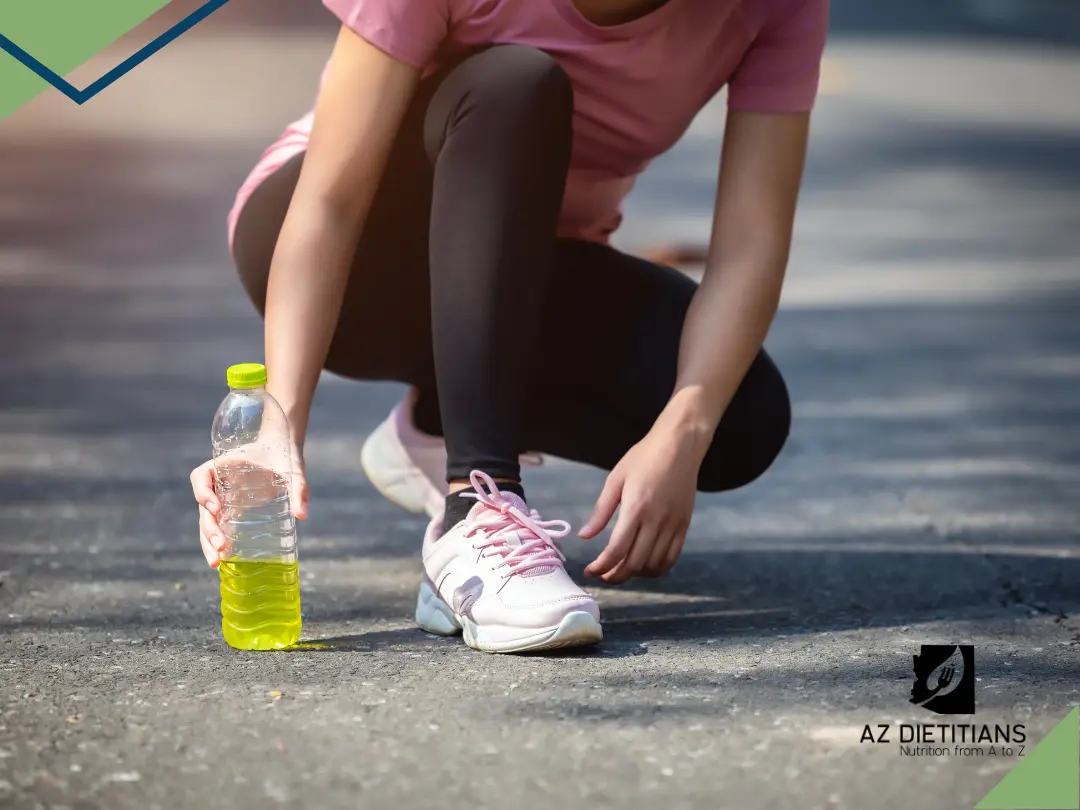
You may be wondering if electrolyte powders are actually beneficial, or just a new trend going around on social media. In a short answer, electrolytes are essential to the body’s hydration and cell function. Electrolyte powders have been designed to replenish the body’s essential minerals that may have been depleted through sweat, illness and even dietary imbalances. However, while electrolytes are necessary for the body, many people use electrolyte powders without a complete understanding of why or when they are necessary. To solve that problem, we are going to help you establish a basic understanding of electrolytes, and when they are actually necessary.
The electrolytes present in the body include sodium, potassium, calcium, magnesium, chloride, phosphate, and bicarbonate. However, most electrolyte powders only include sodium, potassium, magnesium, some include chloride and calcium. These minerals are important for various functions in the body, meaning that even slight imbalances in electrolytes can cause minor symptoms such as fatigue, dizziness and muscle cramps. Now, you may know that electrolytes are important for the body, but you may be wondering what the functions are that make them important. Let’s dive deeper into some of the functions of electrolytes:
As you can see, electrolytes provide great functions to the body, making it important that we maintain a balance of electrolytes in the body. The easiest way to ensure you are getting a balance of electrolytes is through powders. However, it is not every day that powders are necessary. Take a look at when powders are beneficial for the body.
All of these minerals can be found in your diet. However, in situations where major fluid loss occurs, electrolytes are necessary to replenish the minerals lost through fluids. It is not recommended to take electrolytes in situations where minimal fluid loss has occurred, such as light exercise, water is sufficient. Any electrolyte imbalance, whether too little or too much, can be harmful for the body over time. Some situations where electrolyte powders may be necessary include:
Electrolyte powders are filled with various minerals, not just salt. The balance of these minerals in these supplements, are designed to a science of the body’s optimal absorption. Each mineral serves a purpose in hydrating the body. Sodium (salt) is just one of the minerals included in this list. By adding salt to water, you are simply getting one of the minerals necessary for hydration. Simply adding salt to water is going to increase fluid retention, thereby increasing blood pressure. Additionally, when not properly dosed, too much salt can lead to further imbalance in electrolytes. Therefore, incorporating each mineral, most commonly found in electrolyte powders, is important for their various hydration benefits:
Electrolyte powders can often times be expensive and high in sugar. Although there are a few great electrolyte supplements on the market, there are alternative options, if you don’t find the right powder fit for you at the right price. Finding sodium, potassium and magnesium at home can be tricky, as not a lot of common ingredients contain magnesium. However, add chia seeds for a great source of magnesium, or find a magnesium glycinate powder as another great option! Some more natural, at home recipes for electrolytes include:
References:
Beer, J. D.O. (2024, July 5). Do you need electrolyte supplements to stay hydrated? University Hospitals. https://www.uhhospitals.org/blog/articles/2024/07/do-you-need-electrolyte-supplements-to-stay-hydrated
Cleveland Clinic. (2023, April 17). Electrolytes. https://my.clevelandclinic.org/health/diagnostics/21790-electrolytes
Shrimanker, I., & Bhattarai, S. (2023). Electrolytes. In StatPearls. StatPearls Publishing. https://www.ncbi.nlm.nih.gov/books/NBK541123/
Last updated: February 5, 2026
AZ Dietitians offers in-person and virtual appointments for Arizona clients. Now offering telehealth services for clients in Colorado, Utah, and California.
You've probably already heard of GLP-1 medications like Ozempic taking over the market. However, there is a new and...
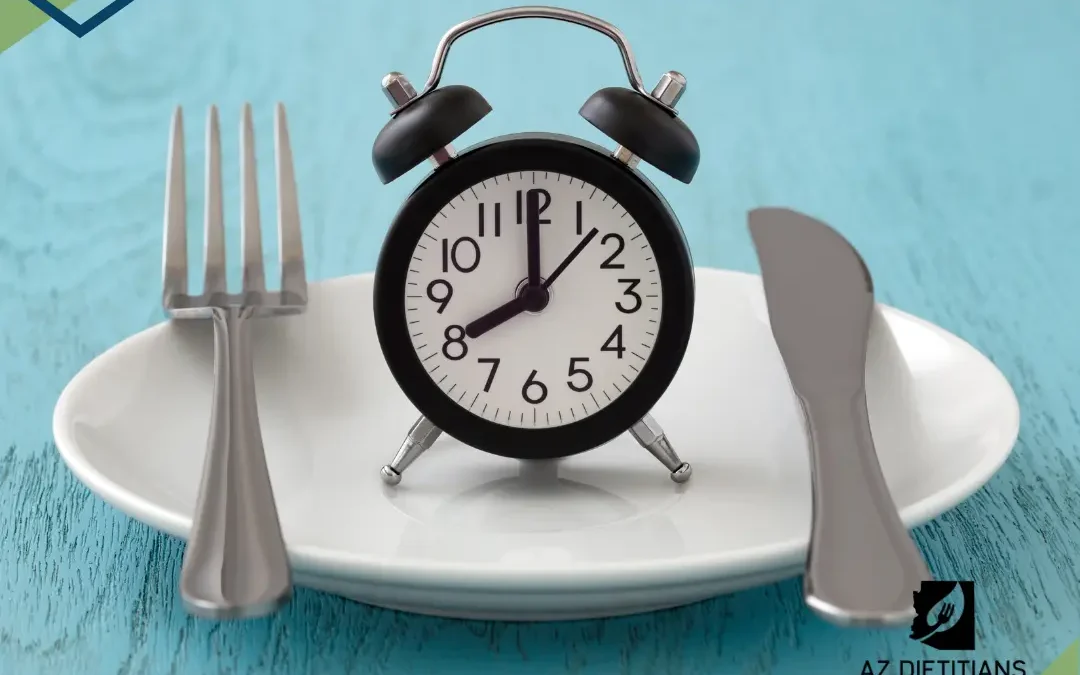
Fasting can affect women differently depending on factors like age, activity level, hormonal health, and reproductive status. Learn what research says about intermittent fasting, PCOS, menstrual health, bone density, and more.

Could the ultra-processed foods you eat regularly be affecting your brain health? Learn about the potential connections between ultra-processed foods, memory, mood, inflammation, and cognitive health, along with simple ways to make more nutritious choices.

Wondering what to eat after gallbladder removal? Learn how your diet may need to change after surgery and get practical tips for supporting digestion as your body adjusts.