Retatrutide Peptide
You've probably already heard of GLP-1 medications like Ozempic taking over the market. However, there is a new and...

Last updated: February 5, 2026
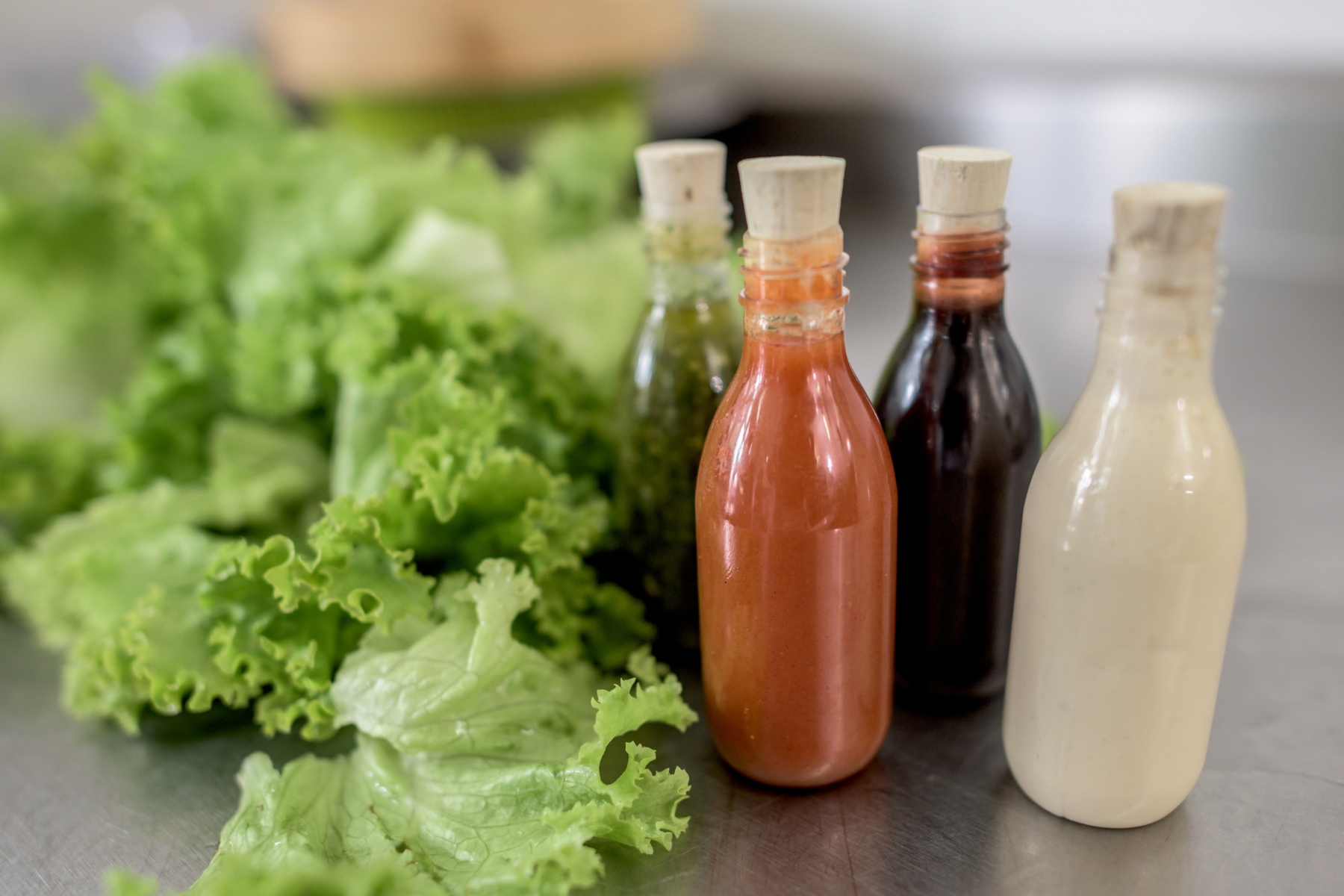
Did you know that only 1 in 10 adults eat the recommended amount of fruits and vegetables? 1. People feel like it is easier to add fruits to their diet because of their sweet flavorful taste. On the other hand, people struggle to eat vegetables due to the taste of certain vegetables. Since people do not like the taste of vegetables they like to add some kind of dressing or condiment or even cheese to hide the taste of it and make it more enjoyable. It seems like everyone has an opinion on whether you should add or not add dressing vegetables. Does it take its nutrients away from it? Should you add dressing to your salad or is it causing more harm than good? Let’s dive in!
As we all know, vegetables are very important since they have many vitamins, such as folate, vitamin A, vitamin C, and many others. Vegetables are also a great source of fiber. Fibrous foods can help us with our bowel movements, can help decrease cholesterol levels, help control blood sugar levels in the blood, and may provide anti-inflammatory benefits, among many others.2 For adults, eating about 2-3 cups of vegetables a day is recommended. You can eat raw, baked, sauteed, air-fried vegetables or even drink them in juice or a smoothie.
You may get the most nutrition if you eat your vegetables in their raw form. With some, steaming or sauteeing can bring out more of their nutrients and make them easier for our bodies to absorb.
Adding dressing, condiments, or cheese will not remove vegetable nutrients. Adding those extra ingredients to your vegetables will not give them less fiber or less vitamins. By adding cheese to your vegetables, you’ll add some protein to it, which will help make them more satisfying.
If you have trouble eating vegetables because you do not like their taste, adding a different flavor to your vegetable can help you increase your intake and get you closer to your goal of 2-3 cups a day. Adding those extra flavors is not going to cause harm to your body. If adding ranch dressing is the only way you can add those vegetables to your diet, I encourage you to add the ranch! Some veggies are better than no veggies!
If weight loss is something you are trying to do, looking for dressings that are low in calories or lower in fat are your best options. Some dressings can be high in sodium which, as we know, a high sodium/salt diet can cause higher blood pressure which isn’t great for your heart. There are many sugar-free dressings available on the market. Make sure to compare your options and try to choose the one with the least amount of sodium.
You can try making your own dressing at home to have better control over what goes into it. One of my favorite homemade dressings is a blend of cottage cheese with garlic powder, onion powder, and jalapenos. This makes up a deliciously spicy high-protein dressing!
There are three main reasons why you should avoid adding dressing or anything else to your vegetables:
Nothing should stop you from making your food more enjoyable unless you are allergic or if some food has gone bad. A good relationship with food starts with eating foods that taste good!
References:
1.Centers for Disease Control and Prevention. (2021, February 16). Only 1 in 10 adults get enough fruits or vegetables. Centers for Disease Control and Prevention. Retrieved February 27, 2023, from https://www.cdc.gov/nccdphp/dnpao/division-information/media-tools/adults-fruits-vegetables.html
Last updated: February 5, 2026
AZ Dietitians offers in-person and virtual appointments for Arizona clients. Now offering telehealth services for clients in Colorado, Utah, and California.
You've probably already heard of GLP-1 medications like Ozempic taking over the market. However, there is a new and...
Fasting can affect women differently depending on factors like age, activity level, hormonal health, and reproductive status. Learn what research says about intermittent fasting, PCOS, menstrual health, bone density, and more.
Could the ultra-processed foods you eat regularly be affecting your brain health? Learn about the potential connections between ultra-processed foods, memory, mood, inflammation, and cognitive health, along with simple ways to make more nutritious choices.
Wondering what to eat after gallbladder removal? Learn how your diet may need to change after surgery and get practical tips for supporting digestion as your body adjusts.