Retatrutide Peptide
You've probably already heard of GLP-1 medications like Ozempic taking over the market. However, there is a new and...

Last updated: February 5, 2026
Created by: Kristen Carli, Dietetic Intern
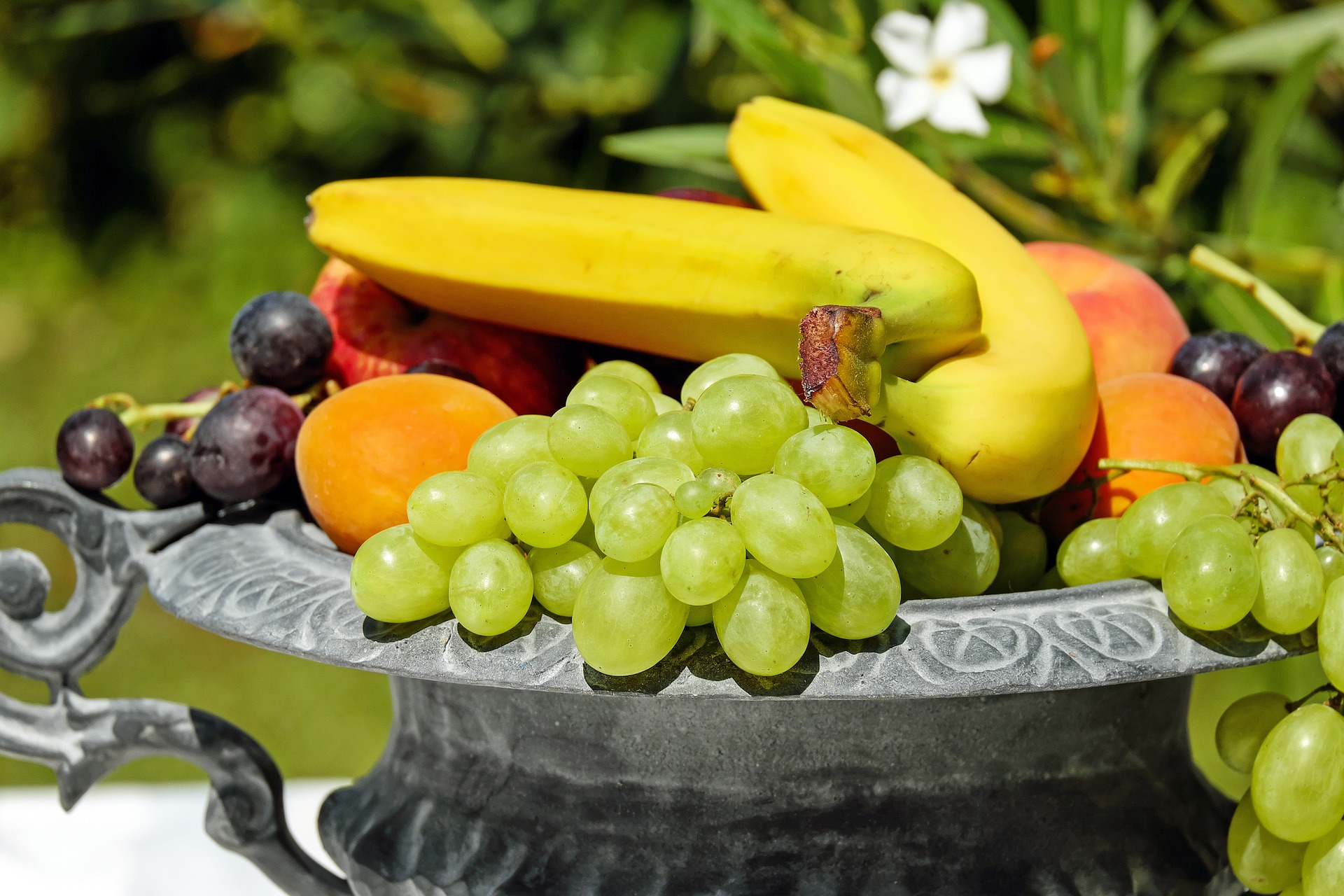
Did you know that Americans throw away almost 20% of the fruits and vegetables they buy? Often times, this happens because people simply don’t know the secrets to keeping produce fresh. Unfortunately, improper storage of fresh produce leads to food waste. Let’s take a look at what you can do to increase food safety and reduce waste simply by keeping produce fresh.
Produce Safety
Don’t purchase any produce with mold, bruises or cuts at the grocery store. Once you get home, wash all produce before eating. Be sure to separate any fresh produce from raw meat, poultry, fish, and eggs.
Don’t purchase any produce with mold, bruises or cuts at the grocery store. Once you get home, wash all produce before eating. Be sure to separate any fresh produce from raw meat, poultry, fish, and eggs.
The following fruits and vegetables should be stored in the refrigerator. The refrigerator should maintain 40 degrees Fahrenheit or below.
The following fruits and vegetables are cold-sensitive and should not be stored in the refrigerator. Be sure to store these foods at room temperature.
The following vegetables should never be refrigerated, but instead kept in a cool, dark place.
Some fresh produce gives off ethylene gas. If near other produce this gas will speed up the decay of certain sensitive foods. To be safe, keep food in the following columns separate.
| Gas Releasing Foods | Gas Sensitive Foods |
| Apples | Bananas, ripe |
| Apricots | Broccoli |
| Avocados | Brussels sprouts |
| Bananas, unripe | Cabbage |
| Cantaloupe | Carrots |
| Figs | Cauliflower |
| Honeydew | Cucumbers |
| Kiwi | Eggplant |
| Nectarines | Lettuce, Leafy Greens |
| Peaches | Peas |
| Plums | Peppers |
| Tomatoes | Squash |
| Sweet Potatoes | |
| Watermelon |
Material adapted from eatright.org
Last updated: February 5, 2026
AZ Dietitians offers in-person and virtual appointments for Arizona clients. Now offering telehealth services for clients in Colorado, Utah, and California.
You've probably already heard of GLP-1 medications like Ozempic taking over the market. However, there is a new and...

Fasting can affect women differently depending on factors like age, activity level, hormonal health, and reproductive status. Learn what research says about intermittent fasting, PCOS, menstrual health, bone density, and more.
Could the ultra-processed foods you eat regularly be affecting your brain health? Learn about the potential connections between ultra-processed foods, memory, mood, inflammation, and cognitive health, along with simple ways to make more nutritious choices.

Wondering what to eat after gallbladder removal? Learn how your diet may need to change after surgery and get practical tips for supporting digestion as your body adjusts.