Retatrutide Peptide
You've probably already heard of GLP-1 medications like Ozempic taking over the market. However, there is a new and...


Last updated: February 5, 2026
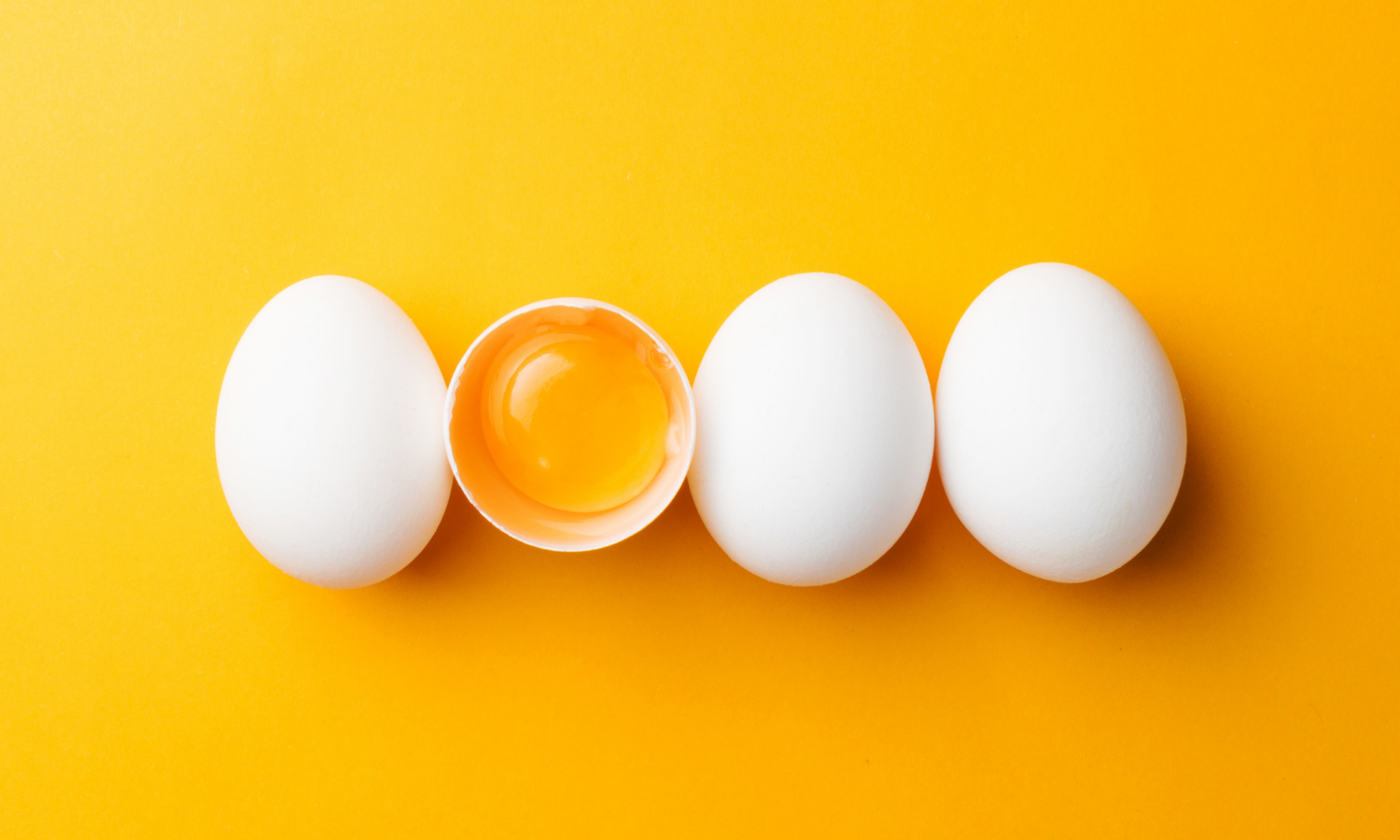
Egg yolks are high in cholesterol (about 187 mg each), so should we avoid them? As dietitians, we hear this question pretty often. Science seems to sway back and forth with an answer to this question. Today, we’re going to share the most current information so you can make your own decision as to whether eating eggs is good for you or not.
First of all, the Dietary Guidelines for Americans (DGAs) removed the cholesterol recommendation/limit in 2015 due to a lack of evidence. However, the DGAs now advise us to eat as little dietary cholesterol as possible while following a healthy eating pattern. With a recommendation that isn’t very specific, let’s dig into some basic information about eggs and then look at some studies to find an answer.
Eggs are packed with nutrients including choline (brain health booster), antioxidants (cancer-fighters), lutein and zeaxanthin (important for eye health/vision), protein (building block of the human body), and vitamins A, B, D & E! One large chicken egg has about 78 calories and has 5 grams of fat (1.6 g saturated fat), and ~187 mg cholesterol. As you can see, the egg is very nutrient-dense. So, do we eat eggs or not? What about getting heart disease?
(Published in 2020) This study analyzed 17 other studies on the effect of eggs on HDL and LDL cholesterol levels (which are predictors of heart disease). This analysis found that long-term high egg consumption may lead to a higher LDL/HDL ratio and LDL levels, but more studies are required to guarantee the association.
(Published in 2018) This study found that up to 1 egg per day was significantly associated with a lower risk of heart disease in Chinese adults. Although, these participants were not following a standard American diet.
(Published in 2018) This study found that people with prediabetes or type two diabetes eating 2 eggs/day on a calorie-restricted diet for 3 months showed no changes in blood markers for heart disease compared to those with a low-egg, calorie-restricted diet. (Although, this was a short-term study.)
Note: Participants were following a calorie-restricted diet, so results may have differed if they were eating enough calories to maintain weight.
(Published in 2015) This was a meta-analysis (meaning they looked at lots of studies) that looked at the link between dietary cholesterol intake and heart disease risk. After reviewing 40 studies, their conclusion was inconclusive. Their results showed that many of the studies revealed mixed results. This means that they did not find out if eggs are bad for heart health or not.
With all of these unclear results, what do you think? The American Heart Association (AHA) recommends one egg or two egg whites per day as part of a healthy diet for those who like to include eggs in their diet. We agree with the AHA and recommend one egg or two egg whites/day and recommend focusing on a diet rich in whole grains, fruits, vegetables, legumes, and lean proteins.
If you’d like help with a personalized nutrition plan for your specific needs or goals, schedule an appointment with one of our registered dietitians today!
Last updated: February 5, 2026
AZ Dietitians offers in-person and virtual appointments for Arizona clients. Now offering telehealth services for clients in Colorado, Utah, and California.
You've probably already heard of GLP-1 medications like Ozempic taking over the market. However, there is a new and...
Fasting can affect women differently depending on factors like age, activity level, hormonal health, and reproductive status. Learn what research says about intermittent fasting, PCOS, menstrual health, bone density, and more.
Could the ultra-processed foods you eat regularly be affecting your brain health? Learn about the potential connections between ultra-processed foods, memory, mood, inflammation, and cognitive health, along with simple ways to make more nutritious choices.

Wondering what to eat after gallbladder removal? Learn how your diet may need to change after surgery and get practical tips for supporting digestion as your body adjusts.