Retatrutide Peptide
You've probably already heard of GLP-1 medications like Ozempic taking over the market. However, there is a new and...

Last updated: February 5, 2026
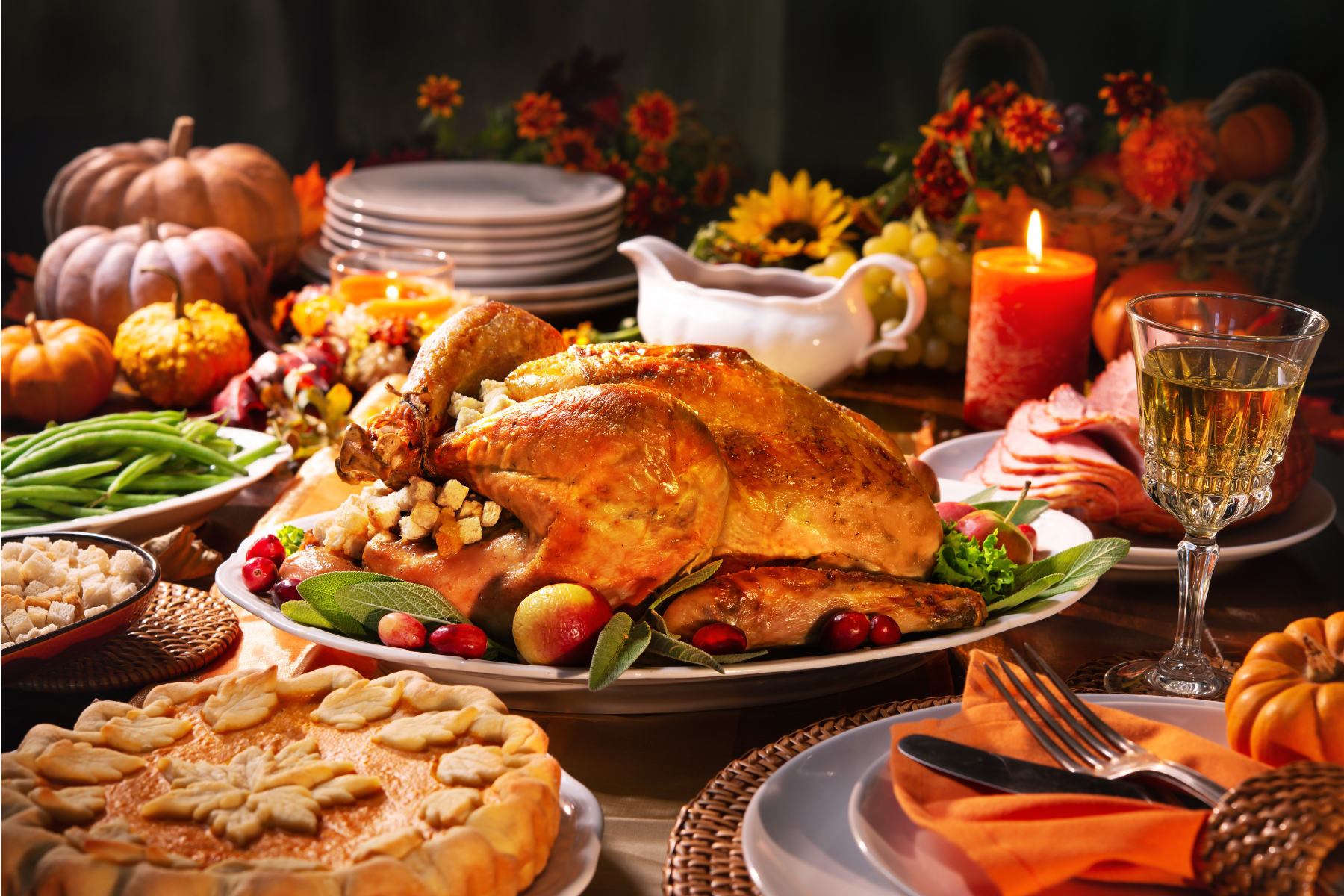
It’s the most wonderful time of the year! The holidays represent gathering with family and friends, celebrating, embracing quality time, connecting with our loved ones, taking part in festivities, tradition, indulging in food and treats, and so much more. While the holidays can be some of the most cherished time for many, for some it may be different. Do you find that the holidays fill you with stress, worry, and anxious thoughts surrounding your health? It doesn’t have to be that way!
The holidays don’t have to be a time where you sabotage all the healthy habits you have built. The holidays can be a wonderful time to harmonize your healthy habits while embracing the joy the holiday season brings. Follow along for some tips to navigate the holidays in a healthy way, while also enjoying and embracing all the joy that the holiday season brings, starting with Thanksgiving!
We are going to dive into some tips, ideas, and more to ensure you have a fulfilling AND health-conscious Thanksgiving celebration.
Before the family festivities, plan some movement and exercise early in the day! To make this a family affair, plan a walk, run or fun sporting event with loved ones such as a flag football game, friendly soccer, or volleyball game, or pick up basketball! This can be a great tradition to start as well as an opportunity to encourage everyone to be active as well as a time to bond and enjoy quality time other than around the dinner table.
Eating a high protein breakfast will help keep you full and satisfied as well as keep hunger levels regulated throughout the day. A simple breakfast with eggs, or Greek yogurt can be a great way to start the day and control your appetite, so you are not feeling ravenous all day.
Drinking water throughout the day will help with digestion as well as preventing you from overeating. Make hydration fun! Add fruit such as lemon or orange slices, or fun festive glasses to make it an experience.
Do not feel the need to “save up” all your calories for Thanksgiving dinner. This typically leads to showing up to dinner over- hungry, and very likely to overeat. When our body is over- hungry, the ability to regulate and be in tune with your fullness cues is limited, therefore it is easier to eat very quickly and not be able to tell when you are actually full, causing overeating to be very likely. Eating balanced meals throughout the day can help to regulate hunger levels and enjoy Thanksgiving dinner without overeating.
Going for as little as a 5–10-minute walk after meals has been shown to lower blood glucose levels and improve digestion. Take the family and go for a walk around the neighborhood.
Be aware of snacking! If you are hungry prior to dinner, snack on fresh fruit and veggies, or protein foods such as Greek yogurt, low fat cheese, or a small handful of nuts.
To prevent overeating, use the timer rule. If you are still hungry after finishing your plate, set a timer for 15 minutes before getting seconds.
This window will give your food time to digest and allow you to make a mindful choice before diving into dessert.
Being mindful of portions can be extremely helpful to feeling balanced throughout the Thanksgiving meal. Don’t skip out on your favorite sides or dishes, just be mindful of what your plate looks like. Fill up half your plate with vegetables, turkey, and take small portions of your favorite sides. This strategy will allow you to still enjoy your favorite dishes without feeling like you are throwing your healthy habits out the window. When consuming your dinner, eat your veggies and protein first, then your carbs and sides. By eating protein and fiber first, this slows your digestion and slows the release of glucose into your blood, minimizing your blood sugar from spiking. This can be helpful in regulating blood sugar, hunger levels, as well as energy spikes and crashes.
If you are wanting to be more health-conscious this Thanksgiving, bring your own sides! A fresh veggie tray, roasted veggies or potatoes, a fresh tossed salad with vegetables, whole grain or sourdough bread to replace rolls are options that can make filling your plate with nutritious options that much easier.
Eating healthy can be easy without giving up your favorite foods if you follow these simple swaps:
– Make steamed, roasted, or baked vegetables instead of casseroles.
– Use olive oil instead of butter.
– Eat whole grain breads instead of white bread and rolls.
– Make roasted sweet potatoes with maple syrup instead of sweet potatoes with marshmallows and brown sugar.
– Choose low or fat free milk instead of cream or whole milk.
– Use plain Greek yogurt instead of sour cream.
Thanksgiving is a time to be spent with family, enjoying quality time, making memories, and connecting over our favorite foods. While this time may look different for everyone, you do not have to choose between a healthy lifestyle OR enjoying the holidays. The tips we shared above are to help you navigate and balance the holidays and the special memories with those you love most, while having the option to make healthier choices.
Remember: Thanksgiving is one day! You get to spend time with family and friends, make memories, and indulge if you choose to do so. There is nothing wrong with taking the day to indulge, so if you choose to do so, enjoy every minute of it because a happy and healthy life is a balanced life. If you have specific questions or simply want help getting through this holiday season in a healthier way, please don’t hesitate to reach out to our Registered Dietitians. We are here to help YOU!
Last updated: February 5, 2026
AZ Dietitians offers in-person and virtual appointments for Arizona clients. Now offering telehealth services for clients in Colorado, Utah, and California.
You've probably already heard of GLP-1 medications like Ozempic taking over the market. However, there is a new and...
Fasting can affect women differently depending on factors like age, activity level, hormonal health, and reproductive status. Learn what research says about intermittent fasting, PCOS, menstrual health, bone density, and more.
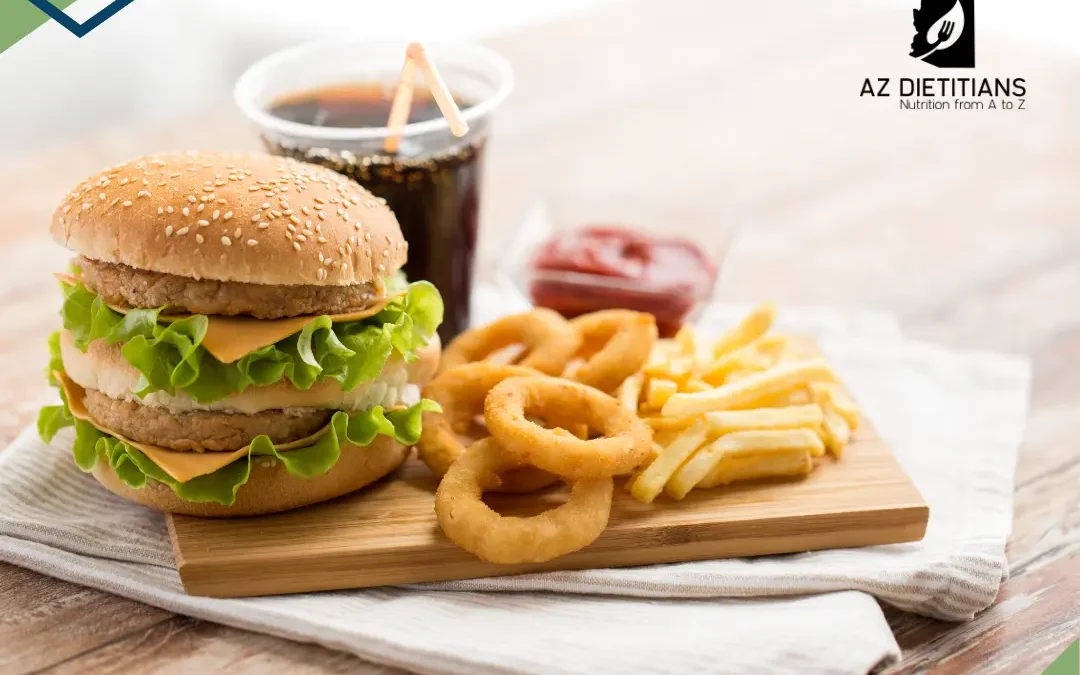
Could the ultra-processed foods you eat regularly be affecting your brain health? Learn about the potential connections between ultra-processed foods, memory, mood, inflammation, and cognitive health, along with simple ways to make more nutritious choices.

Wondering what to eat after gallbladder removal? Learn how your diet may need to change after surgery and get practical tips for supporting digestion as your body adjusts.