Retatrutide Peptide
You've probably already heard of GLP-1 medications like Ozempic taking over the market. However, there is a new and...

Last updated: March 5, 2026
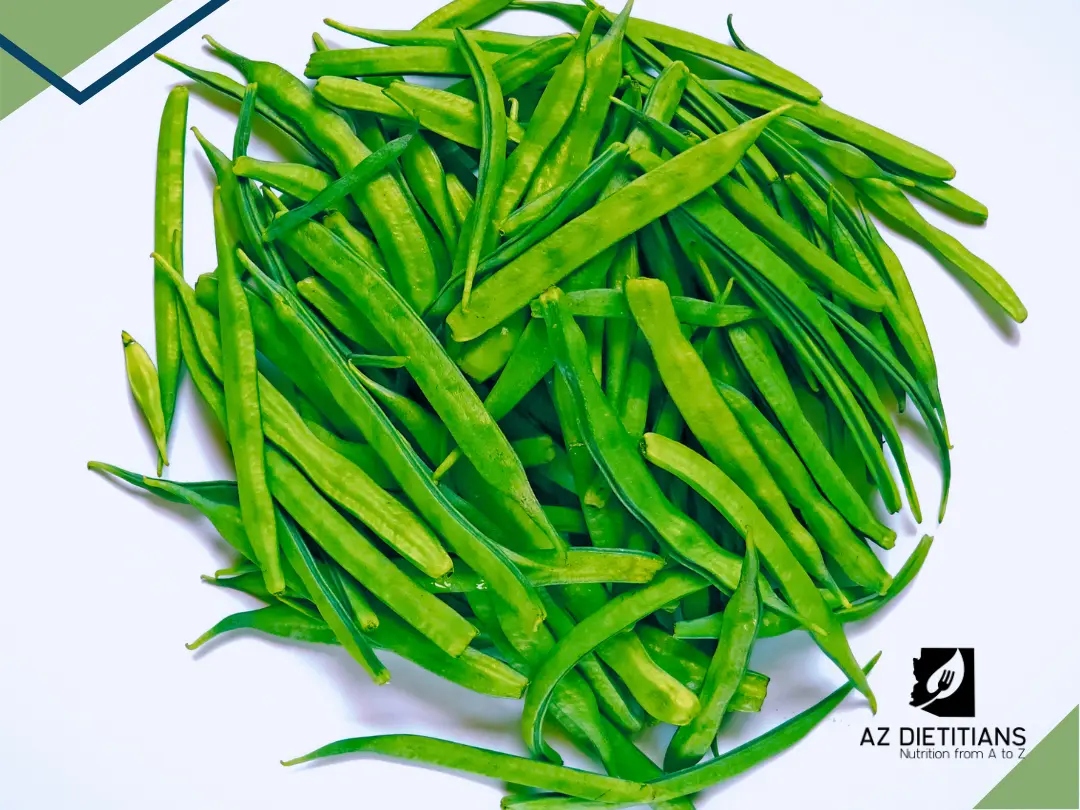
You might be asking yourself: What is guar gum, and why should I care to include it in my diet? Guar gum is made from legumes called guar beans and is commonly used as a thickener in foods or as an ingredient in laxatives. While it’s often found in everyday foods, it also offers additional benefits. These include being a good source of fiber and supporting gut health through its prebiotic properties. Including guar gum in your diet can be a simple way to boost fiber intake and promote digestive health.
Guar gum is a thickening agent made from guar beans. The beans are hydrated, ground, and dried into a fine powder. It is a water-soluble fiber commonly found in dairy products, condiments, soups, and frozen foods.
There are two main types: partially hydrolyzed guar gum (PHGG) and regular. PHGG is commonly sold as a fiber supplement, while regular guar gum is mainly used in the food industry. Although the regular type can also serve as a fiber supplement, PHGG is generally easier on the digestive system and makes for a gentler introduction to fiber supplementation.

Fiber is the most important benefit of guar gum. Soluble fiber absorbs water in the digestive tract, forming a gel-like substance that slows digestion. This helps you feel full longer, supports healthy bowel movements, and stabilizes blood sugar levels. The average American doesn’t consume enough fiber but the recommended daily intake is 25–30 grams. Guar gum can help you reach that target if your diet falls short, especially on busy days when you may not get enough fruits, vegetables, or whole grains.
Guar gum is not only a source of fiber but also acts as a prebiotic. Prebiotics are compounds that feed the beneficial bacteria in your gut, helping them grow and thrive. PHGG, in particular, has been shown to selectively stimulate the growth of “good” bacteria like Bifidobacterium and Lactobacillus. When these bacteria flourish, they produce short-chain fatty acids (SCFAs), which help maintain a healthy gut lining, support immune function, and reduce inflammation. Studies also suggest that adults who consume PHGG experience improved digestion, better sleep, and even enhanced mental clarity and motivation, highlighting the strong connection between gut health and overall well-being.
Guar gum can support heart and metabolic health by helping regulate cholesterol and blood sugar. Research indicates that individuals who increase their daily fiber intake may experience lower LDL (“bad”) cholesterol levels and improved blood glucose control compared to those who do not meet their fiber goals. Soluble fibers like guar gum slow the absorption of sugar into the bloodstream, which can help prevent blood sugar spikes and dips.
Guar gum is versatile and can be added to smoothies, protein shakes, baked goods, or sauces. It works as a natural thickening agent while also providing extra fiber. It’s important to start with a small amount, about ¼ teaspoon, and gradually increase to 1 teaspoon. A ¼ teaspoon provides roughly 1 gram of fiber, helping you reach your daily intake goals without digestive discomfort.
To maximize its prebiotic benefits, consider combining guar gum with other fiber-rich foods such as oats, flaxseed, or fruits. This combination helps diversify the nutrients available to your gut bacteria, promoting a more balanced and healthy microbiome. Pairing it with adequate hydration is also important, as water helps fiber move through the digestive tract and prevents constipation.
Even small amounts of guar gum can have long-term benefits for your gut health and digestion. By supporting beneficial gut bacteria, improving bowel regularity, and stabilizing blood sugar, guar gum is a simple addition to your diet that can have meaningful effects over time. Next time you’re baking, cooking, or preparing a protein shake, consider adding guar gum to help meet your fiber needs and support overall digestive health.
References:
Abe, A., Morishima, S., Kapoor, M. P., Inoue, R., Tsukahara, T., Naito, Y., & Ozeki, M. (2023). Partially hydrolyzed guar gum is associated with improvement in gut health, sleep, and motivation among healthy subjects. Journal of Clinical Biochemistry and Nutrition, 72(2), 189–197. https://doi.org/10.3164/jcbn.22-75
Aller, R., De Luis, D. A., Izaola, O., La Calle, F., Del Olmo, L., Fernandez, L., Arranz, T., & Hernandez, J. (2004). Effect of soluble fiber intake in lipid and glucose leves in healthy subjects: a randomized clinical trial. Diabetes Research and Clinical Practice, 65(1), 7–11. https://doi.org/10.1016/j.diabres.2003.11.005
Cuomo, R., Russo, L., Andreozzi, P., Zito, F., Vozzella, L., Savino, I., & Sarnelli, G. (2015). Partially hydrolyzed guar gum in the treatment of irritable bowel syndrome with constipation: Effects of gender, age, and body mass index. Saudi Journal of Gastroenterology, 21(2), 104. https://doi.org/10.4103/1319-3767.153835
Mudgil, D., Barak, S., Patel, A., & Shah, N. (2018). Partially hydrolyzed guar gum as a potential prebiotic source. International Journal of Biological Macromolecules, 112, 207–210. https://doi.org/10.1016/j.ijbiomac.2018.01.164
Last updated: March 5, 2026
AZ Dietitians offers in-person and virtual appointments for Arizona clients. Now offering telehealth services for clients in Colorado, Utah, and California.
You've probably already heard of GLP-1 medications like Ozempic taking over the market. However, there is a new and...

Fasting can affect women differently depending on factors like age, activity level, hormonal health, and reproductive status. Learn what research says about intermittent fasting, PCOS, menstrual health, bone density, and more.
Could the ultra-processed foods you eat regularly be affecting your brain health? Learn about the potential connections between ultra-processed foods, memory, mood, inflammation, and cognitive health, along with simple ways to make more nutritious choices.

Wondering what to eat after gallbladder removal? Learn how your diet may need to change after surgery and get practical tips for supporting digestion as your body adjusts.