Retatrutide Peptide
You've probably already heard of GLP-1 medications like Ozempic taking over the market. However, there is a new and...

Last updated: May 1, 2026
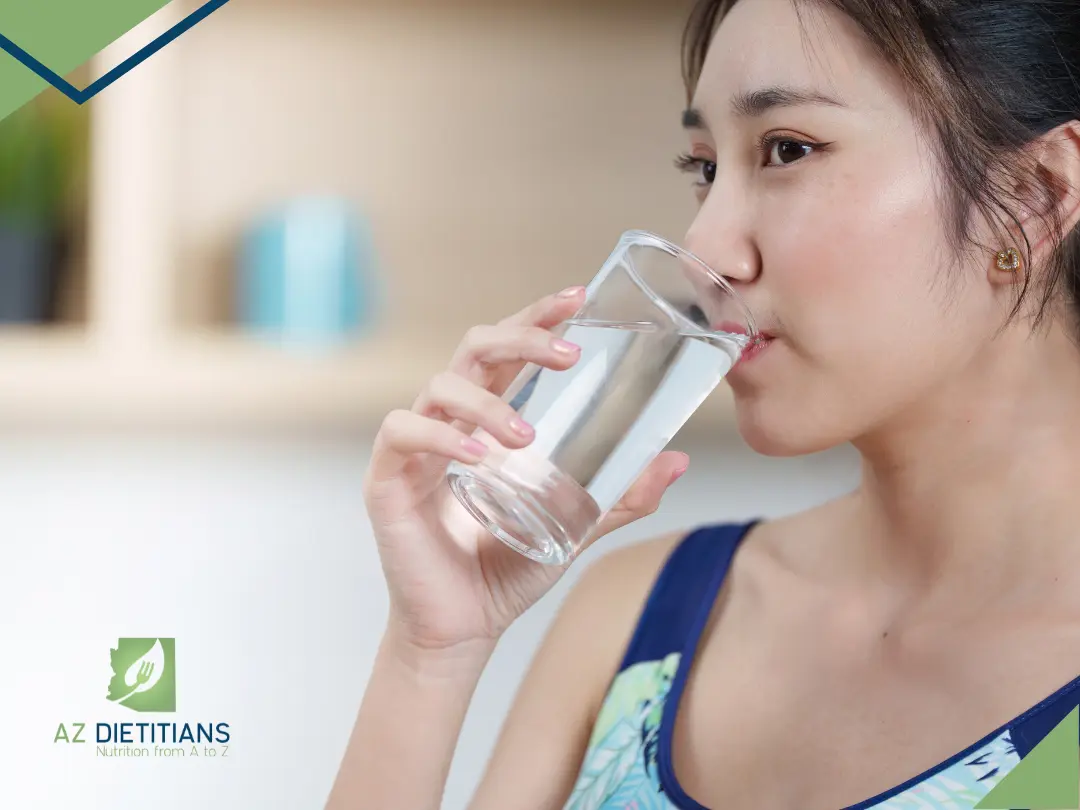
Proper hydration plays a vital role in overall health and daily functioning. Drinking enough water helps improve mood and energy, supports the brain, and allows the body to maintain a stable temperature. Water is also essential for removing waste through urine and sweat, supporting digestion, and maintaining healthy fluid balance throughout the body.
For most adults, general recommendations suggest consuming 11.5-15.5 cups (2.7-3.7 liters) per day, depending on gender. This total includes fluids from a variety of sources, like still or sparkling water, tea, coffee, milk, and water-rich foods like fruits and vegetables.
However, hydration needs are not one-size-fits-all. Individual fluid requirements can vary based on several factors, including physical activity level, exercise intensity, environmental conditions like heat or altitude, and overall health status. People who are pregnant or breastfeeding may also have increased fluid to support infant development.
Prioritizing regular fluid intake throughout the day can support both short-term and long-term health.
Dehydration occurs when the body loses more fluid than it takes in. This can make it harder for the body to work the way it should. Common causes of dehydration include not drinking enough water, sweating a lot during exercise or hot weather, illness, certain medications, and health conditions such as uncontrolled diabetes. Diarrhea and vomiting are also common causes because they can cause the body to lose fluids quickly. Thirst is the most common sign of dehydration, but it is not always the first sign. Many people do not feel thirsty until they are already slightly dehydrated. Dehydration can cause both short-term and long-term health problems.
Dehydration can affect anyone, but some people are at a higher risk than others. Older adults are more likely to become dehydrated because the sense of thirst often decreases with age, and certain medications may increase fluid loss. Infants and young children are also at higher risk since their bodies are smaller and they may not be able to clearly express thirst on their own. Athletes and physically active individuals have an increased risk of dehydration due to fluid loss through sweat, especially during intense exercise or long periods of activity. People who work outdoors, particularly in hot or humid environments, may also lose large amounts of fluids throughout the day. Additionally, individuals who regularly consume caffeine or alcohol may be more prone to dehydration.
Staying properly hydrated is an important part of supporting overall health and daily performance. Drinking enough fluids helps the body function at its best, from improving energy and focus to supporting digestion and temperature control. Because hydration needs can vary from person to person, it’s important to pay attention to your body and adjust fluid intake based on activity level, environment, and individual needs. Making hydration a daily habit can prevent dehydration and support both short-term well-being and long-term health.
References:
Dehydration – Symptoms & causes – Mayo Clinic
Last updated: May 1, 2026
AZ Dietitians offers in-person and virtual appointments for Arizona clients. Now offering telehealth services for clients in Colorado, Utah, and California.
You've probably already heard of GLP-1 medications like Ozempic taking over the market. However, there is a new and...
Fasting can affect women differently depending on factors like age, activity level, hormonal health, and reproductive status. Learn what research says about intermittent fasting, PCOS, menstrual health, bone density, and more.
Could the ultra-processed foods you eat regularly be affecting your brain health? Learn about the potential connections between ultra-processed foods, memory, mood, inflammation, and cognitive health, along with simple ways to make more nutritious choices.

Wondering what to eat after gallbladder removal? Learn how your diet may need to change after surgery and get practical tips for supporting digestion as your body adjusts.