Retatrutide Peptide
You've probably already heard of GLP-1 medications like Ozempic taking over the market. However, there is a new and...

Last updated: February 5, 2026
Creatine is arguably the most studies supplement on the market, and is most commonly known for its benefits with muscle growth and muscle recovery, especially in the weightlifting world. However, recent research is showing that creatine is much more than what we have known it to be. There are various benefits that creatine has on the body, including:
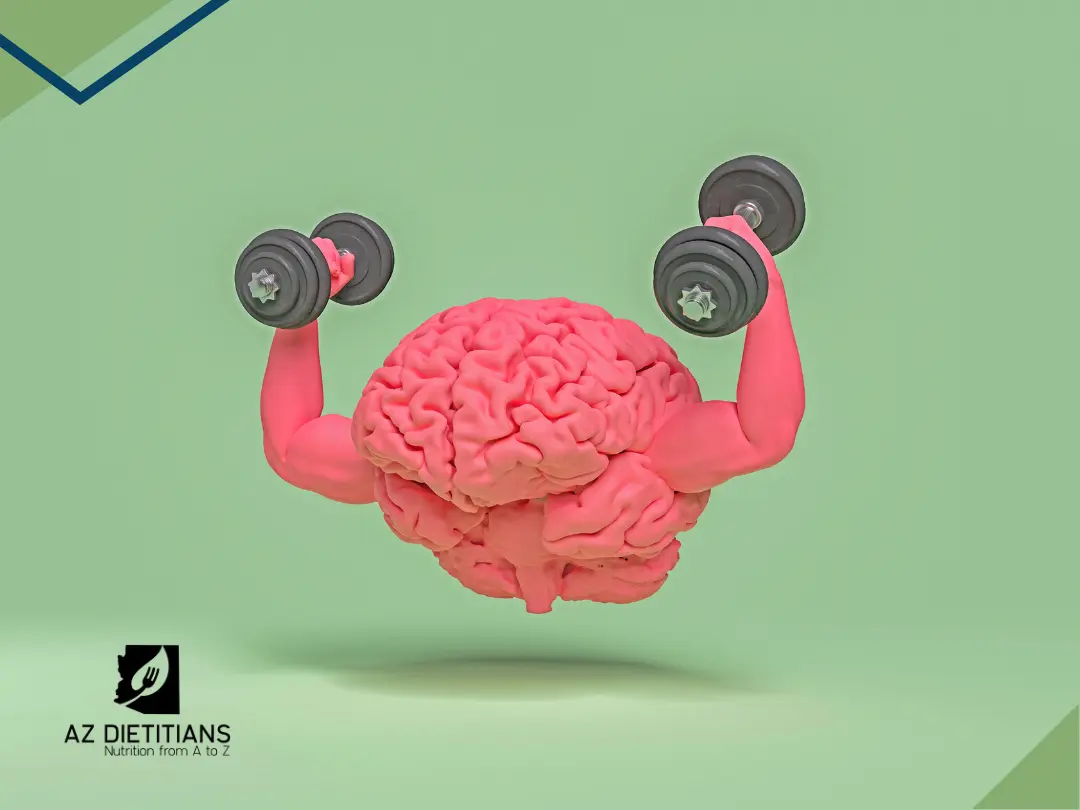
New research is being conducted more specifically on creatine’s benefit within brain health and cognitive function. The same supplement once deemed solely for athletes and weightlifters, is showing itself to benefit the general population, and people looking for a cognitive boost.
First, let’s discuss what creatine actually is to gather an understanding of its purpose in the body. Creatine is made up of three different amino acids, which are glycine, arginine, and methionine. It is important to note that creatine is NOT categorized as a protein. It is stored primarily in the muscles, where it can be used for energy. Creatine is naturally produced in the body by the liver, pancreas and the kidneys, producing approximately 1 gram per day. It is also found in small doses in foods such as seafood and red meat. An additional way to obtain creatine is through supplementation, most commonly in powder form.
The brain is responsible for the body’s ability to function, everything is passed through the brain. The brain uses approximately 20% of the body’s total resting energy. Our ability to move, eat, speak, process emotions, and more is all due to the brain sending signals to the body. Things such as lack of sleep, improper nutrition, and neurological disorders can contribute to the brain in a negative way.
Some of the most researched roles of creatine stored in the brain include:
Approximately 5 to 10 percent of the body’s available creatine is stored in the brain. This is a very small percentage when looking at overall creatine stores in the muscles. In 2021, there were 12 studies being conducted on the effects of creatine supplementation on brain creatine levels. Nine out of the twelve studies showed a significant increase in the creatine levels being stored in the brain after supplementation. A few of the studies noticed most significant benefits in patients in high stress situations, and with sleep deprivation. Supplementation of creatine’s effect on overall cognitive function is still being researched, as current research is showing mixed results. This is due to differing patient populations.
However, research has shown some of the benefits on the brain may include:
Current research is leaning more towards creatine supplementation in individuals where brain function is being challenged. This includes patients who may have one or more of the following:
Some specific individuals who should be cautious about creatine supplementation are individuals who currently suffer or who have suffered from kidney dysfunction, such as in cases of injury or chronic kidney disease.
The most researched form of creatine supplementation is creatine monohydrate in a powdered form. Creatine has been shown to be safe for long term use, as long as no symptoms arise. Creatine dosage is completely specific to the individual. Always consult your dietitian and doctor before beginning a new supplement regimen.
References:
Forbes, S. C., Cordingley, D. M., Cornish, S. M., Gualano, B., Roschel, H., Ostojic, S. M., Rawson, E. S., Roy, B. D., Prokopidis, K., Giannos, P., & Candow, D. G. (2022). Effects of creatine supplementation on brain function and health. Nutrients, 14(5), 921.
Roschel, H., Gualano, B., Ostojic, S. M., & Rawson, E. S. (2021). Creatine supplementation and brain health. Nutrients, 13(2), 586.
Last updated: February 5, 2026
AZ Dietitians offers in-person and virtual appointments for Arizona clients. Now offering telehealth services for clients in Colorado, Utah, and California.
You've probably already heard of GLP-1 medications like Ozempic taking over the market. However, there is a new and...

Fasting can affect women differently depending on factors like age, activity level, hormonal health, and reproductive status. Learn what research says about intermittent fasting, PCOS, menstrual health, bone density, and more.

Could the ultra-processed foods you eat regularly be affecting your brain health? Learn about the potential connections between ultra-processed foods, memory, mood, inflammation, and cognitive health, along with simple ways to make more nutritious choices.

Wondering what to eat after gallbladder removal? Learn how your diet may need to change after surgery and get practical tips for supporting digestion as your body adjusts.