Retatrutide Peptide
You've probably already heard of GLP-1 medications like Ozempic taking over the market. However, there is a new and...

Last updated: February 5, 2026
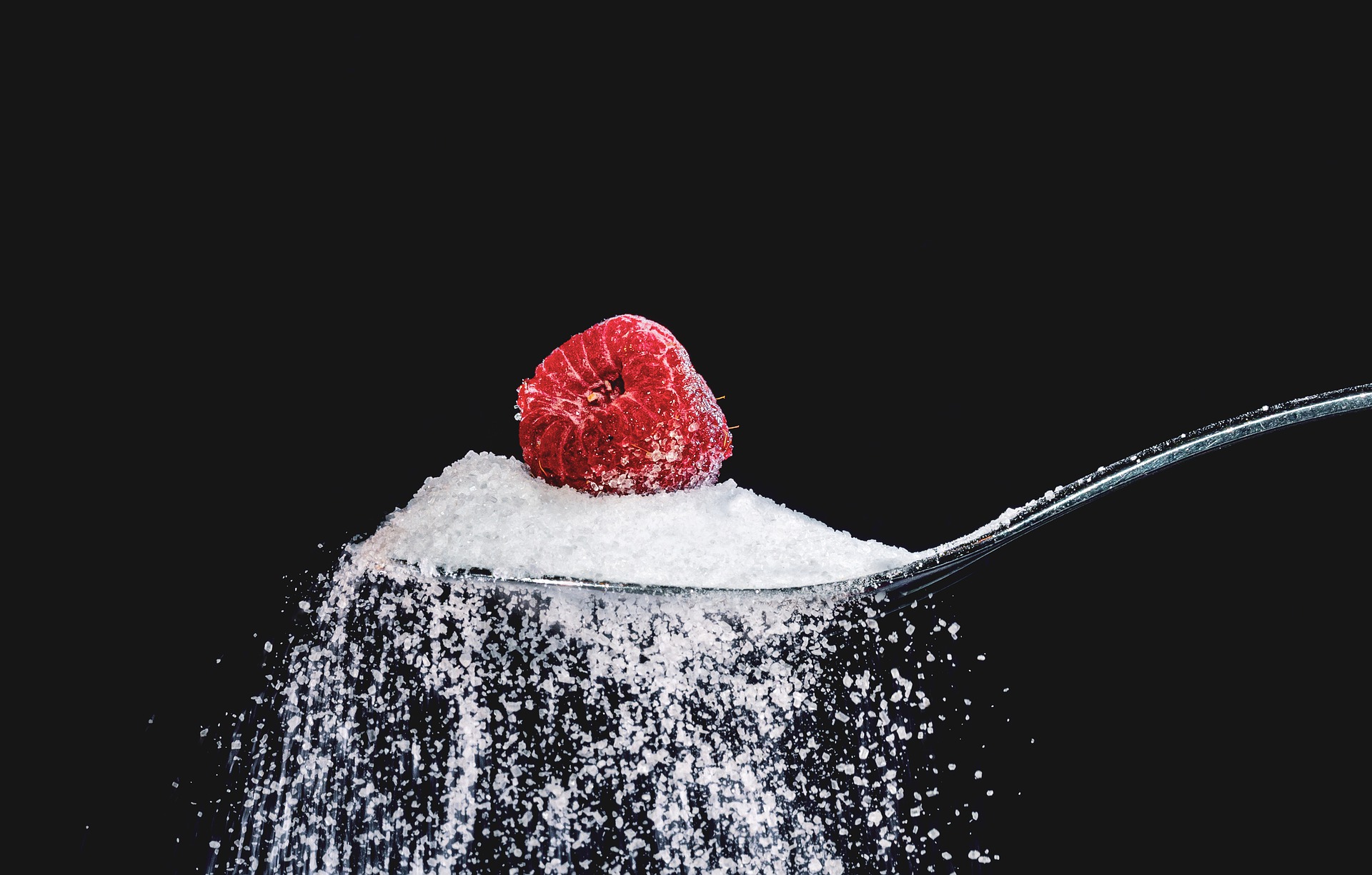
Artificial sugars are man made sugars used as a substitute for sugar/sucrose that usually contain less calories. These artificial sweeteners can also be identified as sugar substitutes, zero calorie sweeteners, or sugar alcohols.
Products that contain these sugars will sometimes label themselves as “sugar-free” , “no added sugar”, “dietetic”, or as seen more commonly in the past few years, “keto-friendly”. They are developed using plant extracts or by the chemical process of hydrogenation of sugars using nickel. And, they are minimally absorbed by the body, lending to their zero-calorie appeal. The concept of having low-calorie sugar is great if someone is diabetic or has a weight loss goal. However, the risks of using these substitutes has been widely debated for decades, making it hard to know what to believe and what is safe.
There are a couple of reasons why artificial sugars are thought to actually promote weight gain rather than provide less calories and promote weight loss. The brain is wired to react to sweetened foods with a metabolic reaction. When sweet foods are consumed but there are no attached calories, it is assumed that the brain could stop doing this metabolic reaction and not digest actual sugars with attached calories appropriately.
The brain will also turn off sweet cravings when presented with sugar, but this mechanism doesn’t work as efficiently if presented with artificial sugar. Instead, the cravings are unsatisfied and can encourage a higher intake of calories.
No evidence links artificial sweeteners to cancer. If we look back on how artificial sugars are proposed to encourage weight gain, then an argument could be made for artificial sugars to increase the risk of obesity-linked cancers, but it is reaching.
This has some validity to it, but only sugar alcohols are linked to a rise in blood sugar. That means the sugar-free packets you add to your iced tea will be fine. But, if you’re concerned about blood sugar levels, avoid the use of mannitol, sorbitol, erythritol, and xylitol.
Many studies done around this subject have been animal studies being fed well above an average dose of artificial sugars and always need to be analyzed with that in mind*
This is a lot of information and everyone will have different reactions to different foods. If moderation of foods is at the forefront of eating, then we can minimize some negative effects that are associated with sugar substitutes. If you need help navigating sugar substitutes in your diet, or think they may be causing adverse reactions, contact us at AZ Dietitians for help from one of our Registered Dietitians.
Adapted from The American Journal of Clinical Nutrition, Indian Journal of Pharmacology, Journal of Pharmacology and Pharmacotherapeutics
Last updated: February 5, 2026
AZ Dietitians offers in-person and virtual appointments for Arizona clients. Now offering telehealth services for clients in Colorado, Utah, and California.
You've probably already heard of GLP-1 medications like Ozempic taking over the market. However, there is a new and...

Fasting can affect women differently depending on factors like age, activity level, hormonal health, and reproductive status. Learn what research says about intermittent fasting, PCOS, menstrual health, bone density, and more.
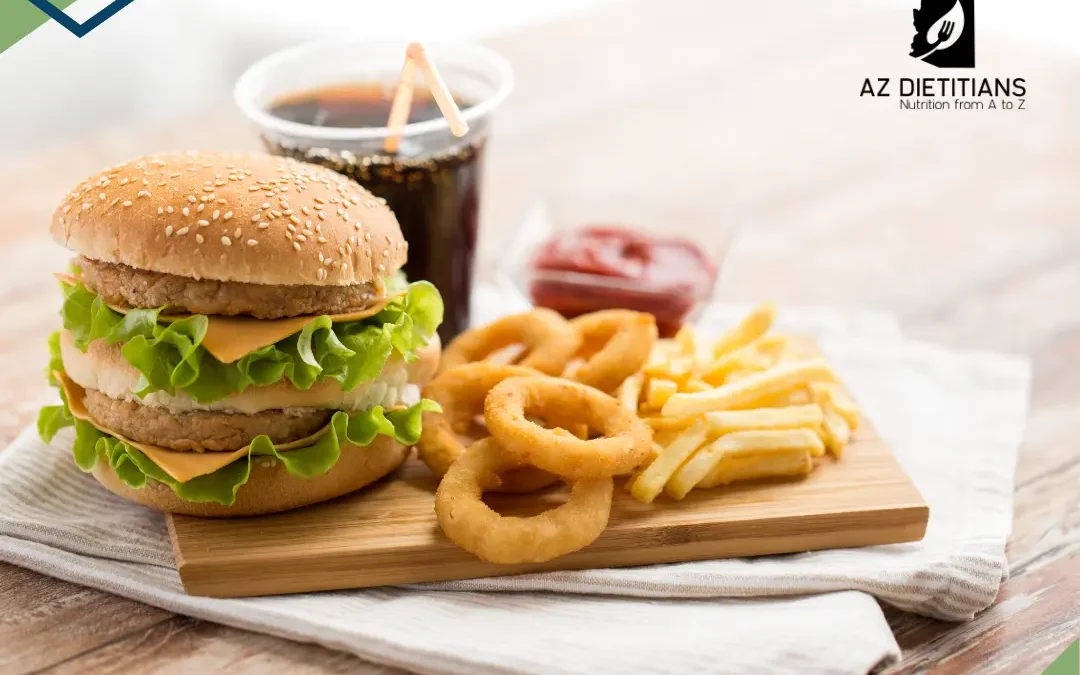
Could the ultra-processed foods you eat regularly be affecting your brain health? Learn about the potential connections between ultra-processed foods, memory, mood, inflammation, and cognitive health, along with simple ways to make more nutritious choices.
Wondering what to eat after gallbladder removal? Learn how your diet may need to change after surgery and get practical tips for supporting digestion as your body adjusts.