Retatrutide Peptide
You've probably already heard of GLP-1 medications like Ozempic taking over the market. However, there is a new and...

Last updated: February 5, 2026
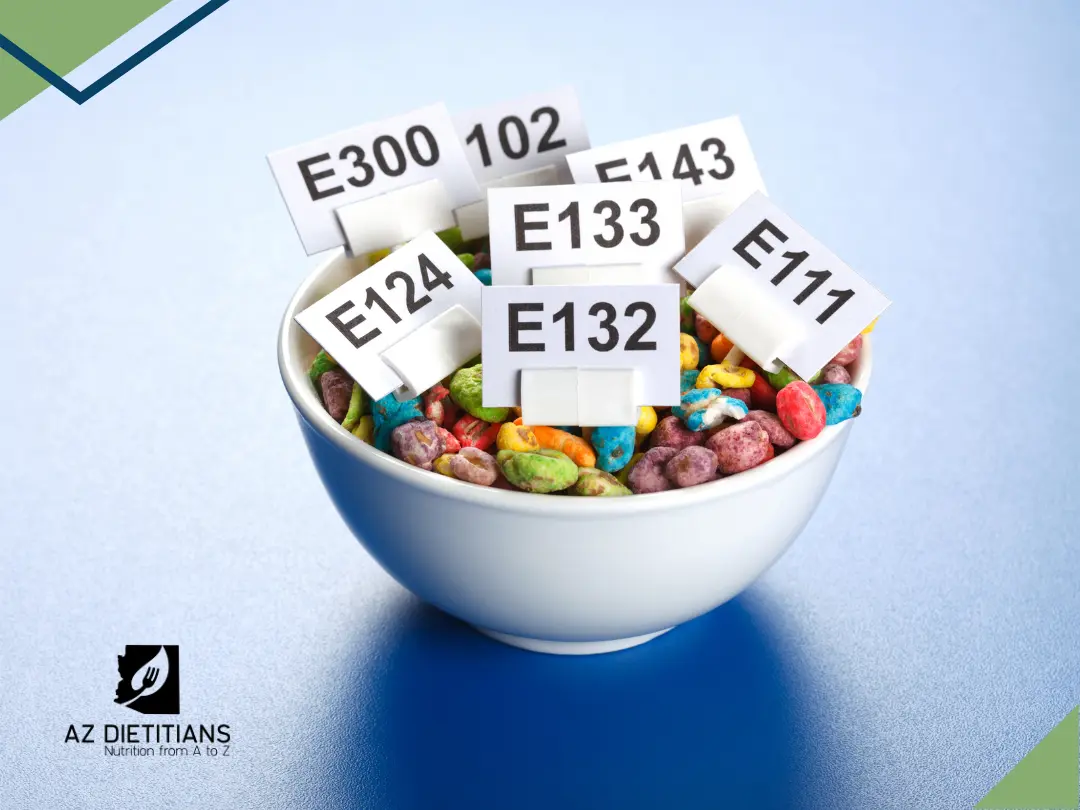
When you walk through the grocery store, it’s easy to be overwhelmed by the sheer number of choices of brightly colored snacks, prepackaged meals, and drinks that promise more energy, flavor, or convenience. While these foods may seem harmless or even helpful, many are loaded with chemical additives designed to extend shelf life, boost taste, or improve appearance. Some of these food additives have been carefully studied and approved for use with minimal risk, while others have raised serious concerns in scientific research, especially when consumed frequently over time. From potential links to cancer and hormone disruption to effects on behavior and gut health, certain additives may do more harm than good. So how do you know which ones to avoid?
Here, we’ll break down some of the most concerning food additives based on the latest evidence and offer simple tips for making safer, healthier choices without sacrificing convenience or flavor.
A comprehensive review found that nine food dyes that were approved in the U.S. raise health concerns. Some, like Red 3, are linked to cancer in animals, while others (Red 40, Yellow 5, Yellow 6) may be contaminated with known carcinogens like benzidine. Several dyes also trigger allergic reactions and show signs of genotoxicity in lab studies. Given the weak testing methods and lack of nutritional benefit, the review recommends removing these dyes from the food supply and replacing them with safer alternatives, while calling for stricter, independent toxicity testing before future approvals.
Tip: Skip brightly colored snacks and sugary cereals, or choose versions colored with natural beet or turmeric.
Potassium bromate, found in commercial breads, is an oxidizing agent and possibly considered a carcinogen by IARC, classified under class 2B. It is also reported to cause abdominal pain, diarrhea, vomiting, and irritation of the mucosal layers. Potassium Bromate is banned elsewhere, but still legal in the U.S. Similarly, brominated vegetable oil (used in sodas and drinks) has been restricted by the FDA due to concerns over toxicity and hormonal disruption. Other oxidizing agents, such as ascorbic acid combined with a suitable enzyme, are considered to be safer alternatives.
Tip: Look for “bromate-free” baked goods and avoid citrus drinks with BVO.
These are preservatives used in processed meats like hot dogs and bacon. They can form carcinogenic N-nitroso compounds and are linked to increased cancer risk, diabetes, and hyperthyroidism. Because of these potential health risks, it’s advisable to limit consumption of processed meats containing sodium nitrite and nitrate.
Tip: Limit processed meats and look for alternatives without added nitrites.
Used as a preservative in foods such as tortillas and muffins, propylparaben may act as an endocrine disruptor, affecting hormone balance. It is proposed that propylparaben may reduce fertility, cause developmental problems, and even lead to certain cancers. In food, propylparaben is generally regarded as safe at low levels by regulatory agencies, but concerns remain about cumulative exposure from multiple sources, including cosmetics and food combined. For those looking to reduce exposure, choosing minimally processed foods without preservatives or opting for products labeled “paraben-free” can be helpful steps.
Tip: Seek out minimally processed or preservative-free baked goods.
While low‑calorie, some studies link artificial sweeteners to metabolic changes, gut health issues, and headaches. Aspartame is even labeled as a possible carcinogen by the IARC. More in-depth and longitudinal studies are needed to evaluate the safety of artificial sweeteners.
Tip: Use sparingly, and consider natural alternatives like stevia or erythritol.
Carrageenan is a common food additive used to thicken and stabilize products like plant-based milks and deli meats, but studies suggest it may cause gut inflammation and disrupt the intestinal lining. Some researchers are concerned that it could contribute to digestive issues such as ulcerative colitis or “leaky gut,” especially in sensitive individuals. Other emulsifiers like carboxymethylcellulose (CMC) and polysorbate 80 have also been linked to changes in gut bacteria, inflammation, and metabolic issues in animal studies. While more human research is needed, limiting processed foods with these additives may help support better digestive health.
Tip: For better digestive health, choose carrageenan-free milk substitutes and whole-food sauces.
Lastly, even chemicals like BPA, phthalates, and PFAS can move out of food packaging into your food. They’re associated with hormone disruption, meaning they can interfere with hormone function and have been linked to health issues such as reproductive problems, immune system suppression, lower birth weights, and increased risk of certain cancers. PFAS, often called “forever chemicals,” are particularly concerning because they don’t break down in the body or the environment.
Tip: Opt for fresh food or items stored in glass or BPA‑free packaging.
Read Labels – Look for and skip additives like sodium nitrite, BVO, artificial dyes, carrageenan, and parabens.
Choose Whole Foods – Fresh fruits, vegetables, whole grains, and lean proteins are naturally additive‑free.
Select Simple Ingredients – Foods with few, recognizable ingredients are often safer.
Use Apps – Tools like EWG Healthy Living and Yuka help identify harmful additives.
Limit Ultra-Processed Foods – These often contain multiple less healthy additives and can lead to inflammation and chronic disease .
While not all additives are harmful, some artificial dyes, nitrites, emulsifiers, and packing chemicals have enough evidence to raise caution. Simple swaps like choosing whole foods, reading labels, and avoiding specific additives can boost your health over time.
Try picking one common additive, such as carrageenan or a particular synthetic dye and support your body by choosing cleaner alternatives. It’s small changes like these that lead to improvements in well-being!
References:
Ali, A., More, T. A., & Shaikh, Z. (2021). Artificial sweeteners and their health implications: a review. Biosciences Biotechnology Research Asia, 18(2), 227-237. DOI:
Anggraini, J., & Lo, D. (2023, April). Health impact of carrageenan and its application in food industry: a review. In IOP Conference Series: Earth and Environmental Science (Vol. 1169, No. 1, p. 012098). IOP Publishing. DOI 10.1088/1755-1315/1169/1/012098
Martin, K. R. (2021). Dietary nitrates, nitrites, and food safety: Risks versus benefits. Acta Scientific NUTRITIONAL HEALTH (ISSN: 2582-1423), 5(6). DOI:10.31080/ASNH.2020.05.0884
Kobylewski, S., & Jacobson, M. F. (2012). Toxicology of food dyes. International journal of occupational and environmental health, 18(3), 220-246.
Shanmugavel, V., Santhi, K. K., Kurup, A. H., Kalakandan, S., Anandharaj, A., & Rawson, A. (2020). Potassium bromate: Effects on bread components, health, environment and method of analysis: A review. Food chemistry, 311, 125964.
Vandenberg, L. N., & Bugos, J. (2021). Assessing the public health implications of the food preservative propylparaben: has this chemical been safely used for decades. Current environmental health reports, 8, 54-70. DOI: 10.1007/s40572-020-00300-6
Last updated: February 5, 2026
AZ Dietitians offers in-person and virtual appointments for Arizona clients. Now offering telehealth services for clients in Colorado, Utah, and California.
You've probably already heard of GLP-1 medications like Ozempic taking over the market. However, there is a new and...

Fasting can affect women differently depending on factors like age, activity level, hormonal health, and reproductive status. Learn what research says about intermittent fasting, PCOS, menstrual health, bone density, and more.
Could the ultra-processed foods you eat regularly be affecting your brain health? Learn about the potential connections between ultra-processed foods, memory, mood, inflammation, and cognitive health, along with simple ways to make more nutritious choices.
Wondering what to eat after gallbladder removal? Learn how your diet may need to change after surgery and get practical tips for supporting digestion as your body adjusts.