Retatrutide Peptide
You've probably already heard of GLP-1 medications like Ozempic taking over the market. However, there is a new and...

Last updated: November 26, 2025
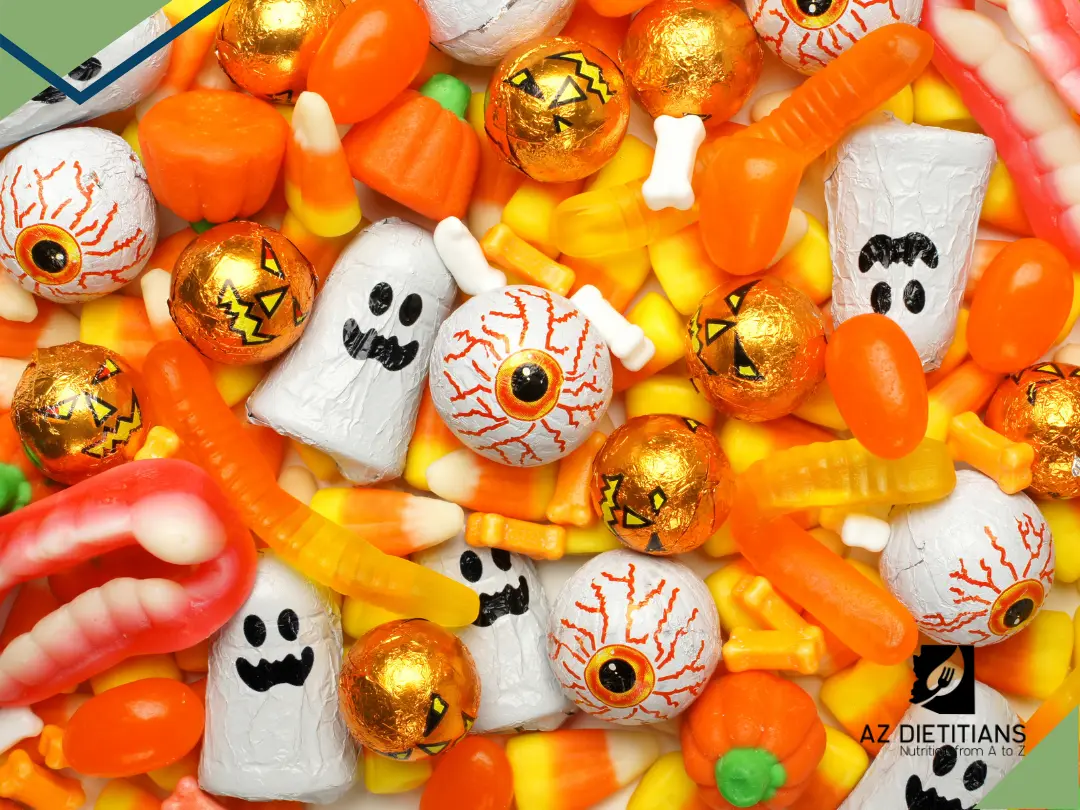
Halloween is a holiday designed to excite kids. A night where they can dress up as their favorite character, or what they want to be when they grow up. However, playing dress up is only half of the excitement. Going from door to door, collecting a bucket full of Halloween candy, that is what tends to be most exciting to kids. As a parent, this can feel overwhelming, especially when considering how much candy they will want to eat over the next couple of weeks. It is important to educate and plan with your kids around the Halloween season. There are a few techniques and ways you can do this. Let’s dive a little but deeper into how to succeed this Halloween season.
Before taking your kids trick or treating, make sure to not bring them hungry. Try to serve them a healthy, well-balanced meal with plenty of water. If they go into the evening hungry, they will want to fill up on candy, especially afterwards. Preventing any form of overeating is important, so that they don’t view candy as a replacement for meals. While eating dinner prior to the night, it is a good time to discuss your expectations with your kids, making sure to include them in the conversation. Let’s look at some practical ways you can set expectations with your kids.
The more you tell a kid that candy is bad, or only allowed on special occasions, the more they will desire to have it. Education is very important for kids to understand, and follow instructions. Teach your kids that candy is fun to have in small amounts, but it is not designed to be a meal replacement. This is also a great time to educate on balance within foods, and why it is important to eat everything in moderation. Teaching them to focus on their meals to help them grow “big and strong.” It all sounds easier said than done, however setting expectations for your kids prior to Halloween can be a big help. Every kid is different, so use your own discretion based on their personality. Setting expectations may look like a few different conversations:
When your kids start eating candy, it is important to teach them to eat when they actually enjoy it, not eating mindlessly. Again, going back to the topic of not making candy seem special, or only for special occasions. When teaching anyone not to overeat, you first encourage them to describe what they are actually enjoying about that food, eat slow, and drink water while eating. Same thing with kids, teach them to think about what they enjoy about the candy they are eating. Additionally, try not to give your kids candy as a “sweet treat” or “reward” after finishing meals. If you put less emphasis on the “excitement” of candy, remaining neutral about candy will often times cause kids to have less interest. Some practical ways to do this include:
The way that you raise kids around food has a large impact on how they view food as they grow up. To them, candy should not be a special food that they can only eat when they eat their other foods. Make candy seem like it is just another food, all while encouraging them to focus on the whole foods that are on their plate. Education is crucial, if they understand that the other foods on their plate will help them grow up to be strong and healthy, they will begin to gravitate towards those foods.
References:
Feeding Littles LLC. (n.d.). Halloween: how dietitians handle it. Feeding Littles. Retrieved August 12, 2025, from https://feedinglittles.com/blogs/blog/halloween-how-dietitians-handle-it
Nemours Children’s Health. (2021, October 18). Halloween Candy Hints. KidsHealth. Retrieved August 12, 2025, from https://kidshealth.org/en/parents/candy-hints.html
Last updated: November 26, 2025
AZ Dietitians offers in-person and virtual appointments for Arizona clients. Now offering telehealth services for clients in Colorado, Utah, and California.
You've probably already heard of GLP-1 medications like Ozempic taking over the market. However, there is a new and...

Fasting can affect women differently depending on factors like age, activity level, hormonal health, and reproductive status. Learn what research says about intermittent fasting, PCOS, menstrual health, bone density, and more.

Could the ultra-processed foods you eat regularly be affecting your brain health? Learn about the potential connections between ultra-processed foods, memory, mood, inflammation, and cognitive health, along with simple ways to make more nutritious choices.

Wondering what to eat after gallbladder removal? Learn how your diet may need to change after surgery and get practical tips for supporting digestion as your body adjusts.