Why Body Composition Matters More than the Number on the Scale
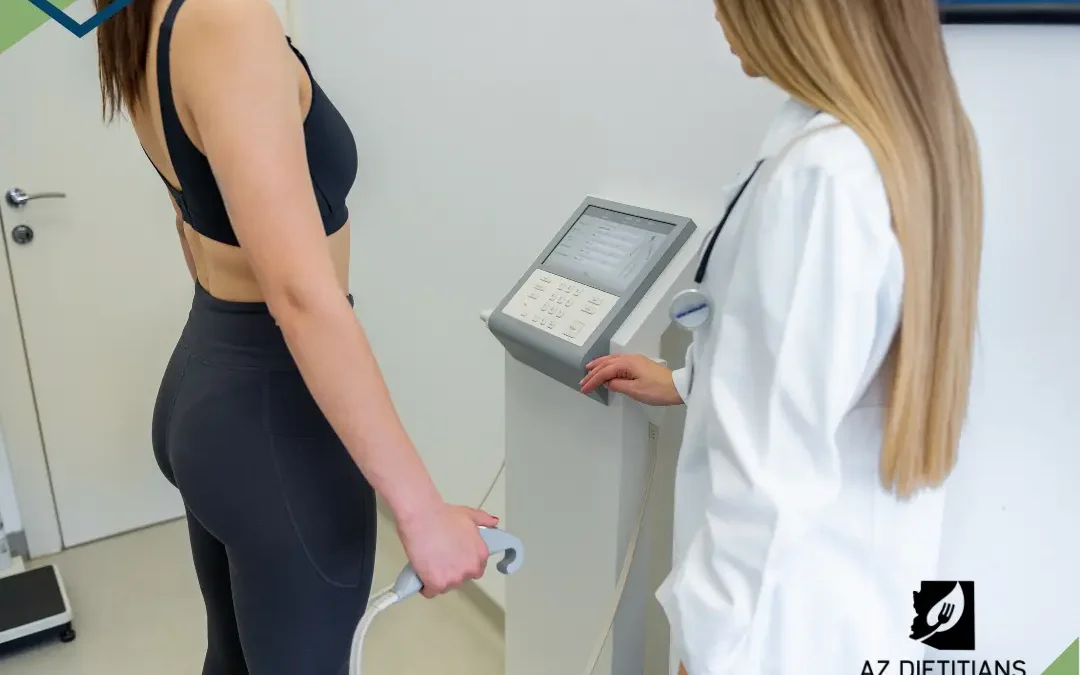
Weight management is an important part of overall health but the truth is, body composition matters more than the numbers on the scale.

Have you recently had your gallbladder removed, or are you preparing for surgery? You might be wondering how this will affect what you can eat. The good news is that most people can return to a normal diet over time. However, your body may need a little help adjusting especially when it comes to digesting fat.
Let’s break down what the gallbladder does, why digestion changes after surgery, and how to eat in a way that helps you feel your best.
What Does the Gallbladder Do?
The gallbladder is a small organ that stores bile, a fluid made by the liver. Bile helps your body digest fats. When you eat a meal that contains fat, the gallbladder releases bile into your small intestine to help break it down.
After gallbladder removal (called a cholecystectomy), your liver still makes bile. However, instead of being stored and released in larger amounts, bile now flows continuously into your digestive system. This can make it harder for your body to handle large amounts of fat at one time.
Why Diet Matters After Surgery
Without a gallbladder, your body may have trouble digesting high-fat foods, especially right after surgery. This can lead to symptoms like:
These symptoms are usually temporary, but what you eat can make a big difference in how you feel during recovery.
Tips for Eating After Gallbladder Removal
Right after surgery, it’s best to choose foods that are low in fat. This helps your digestive system adjust and can reduce uncomfortable symptoms.
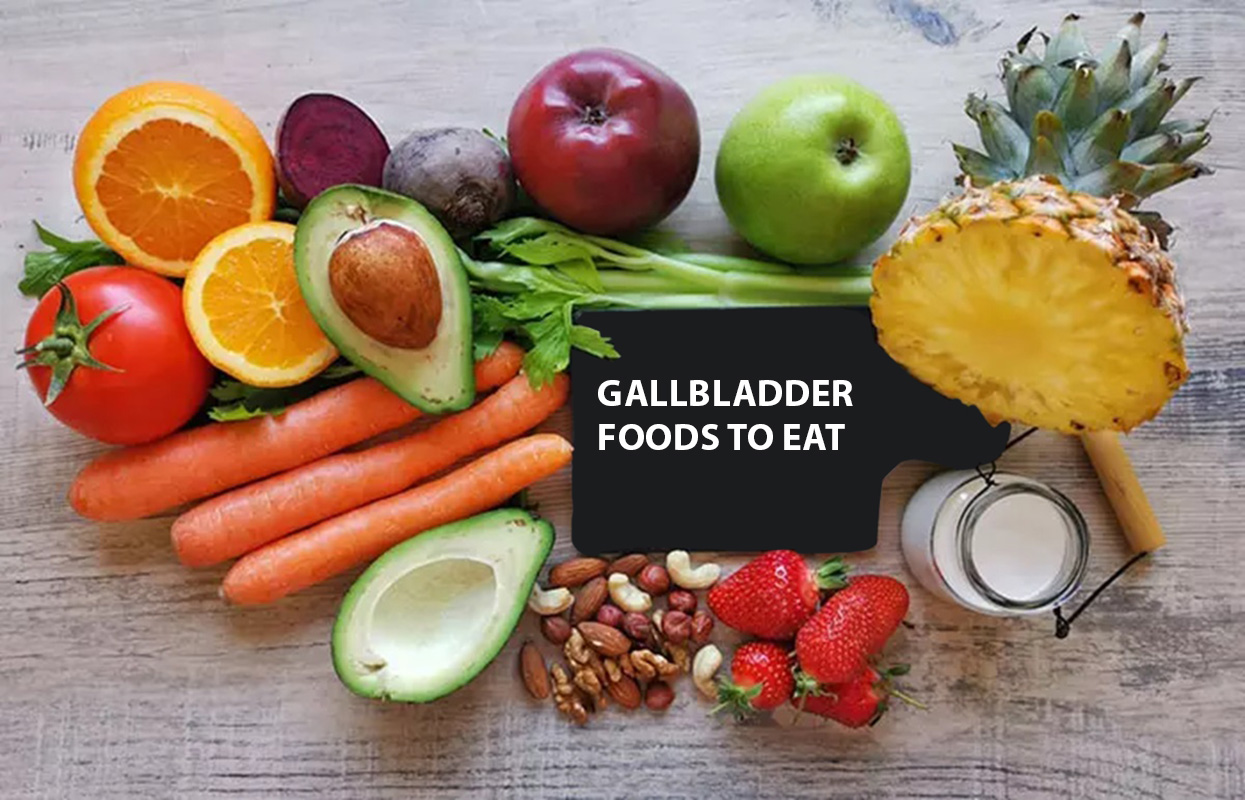
Some good options include:
Try to avoid fried foods, greasy meals, and heavy sauces at first.
Instead of eating large meals, aim for smaller meals throughout the day. This makes it easier for your body to digest food without overwhelming your system.
For example, try eating 4–6 smaller meals instead of 2–3 large ones.
Fat is still an important part of a healthy diet. The key is to add it back (gradually) and choose healthier sources.
Start with small amounts of:
Pay attention to how your body responds and adjust as needed.
Fiber can help regulate digestion, but adding too much too quickly may cause gas or bloating.
Start with small amounts of:
Then gradually increase your intake over time.
Drinking enough water can help support digestion and reduce symptoms like constipation or diarrhea. Aim to sip fluids throughout the day.
Will You Ever Eat Normally Again?
For most people, the answer is yes. Many individuals are able to return to a regular, balanced diet within a few weeks to months after surgery. However, some people may find that certain foods (especially high-fat or fried foods) continue to cause discomfort. Learning what works best for your body is key.
The Bottom Line
Gallbladder removal doesn’t mean you have to give up your favorite foods forever. It just means your body may need some time to adjust.
Focus on:
With a little patience and some simple changes, you can support your digestion and feel your best after surgery.
If you’re unsure where to start, consider working with a registered dietitian who can help create a plan tailored to your needs.
References
2. National Institute of Diabetes and Digestive and Kidney Diseases. (2021). Gallstones and gallbladder disease. Retrieved from https://www.niddk.nih.gov
AZ Dietitians offers in-person and virtual appointments for Arizona clients. Now offering telehealth services for clients in Colorado, Utah, and California.
Weight management is an important part of overall health but the truth is, body composition matters more than the numbers on the scale.
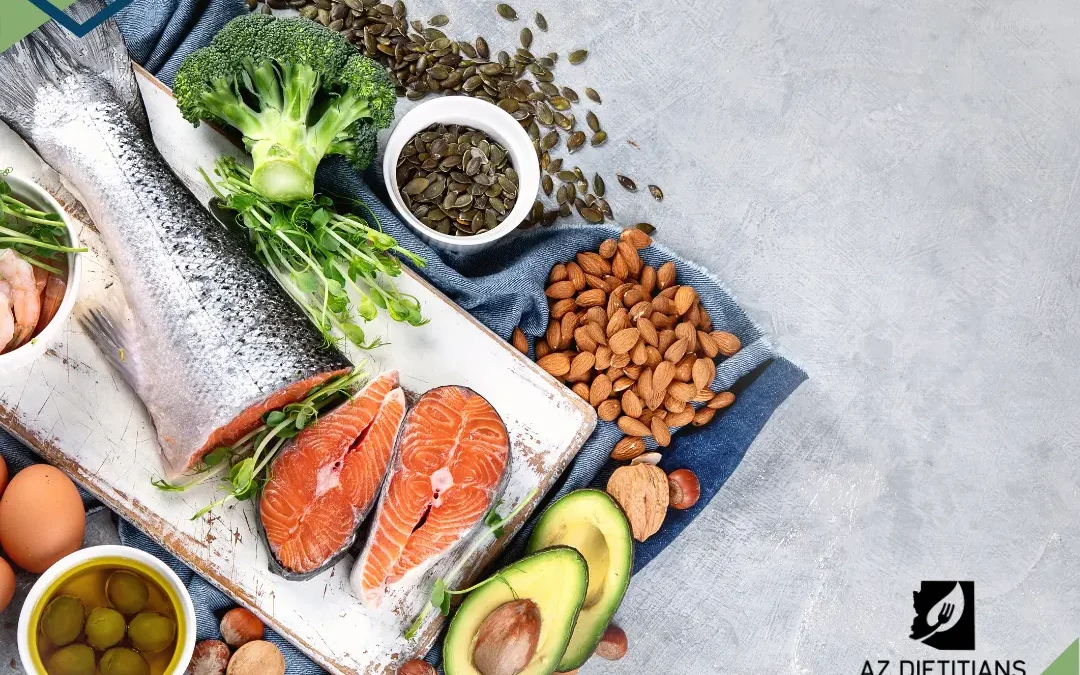
Omega-3 fatty acids are essential nutrients that can support overall health and well-being. Learn about their benefits and get practical tips from our Registered Dietitians for adding more omega-3-rich foods to your daily diet.
What is PMOS, and can inositol supplementation help? Learn about PMOS, the role of inositol, and how supplementation may help support symptom management and overall well-being.
What is berberine, and how does it relate to insulin resistance? Learn about this natural compound, insulin resistance, and what research suggests about berberine’s potential role in supporting insulin sensitivity.