Retatrutide Peptide
You've probably already heard of GLP-1 medications like Ozempic taking over the market. However, there is a new and...


Last updated: May 11, 2026
Are you struggling to get your blood sugar under control? Does it feel like nothing is working? What if simply moving your meal times was enough to beat high blood sugar? Our bodies have a natural clock called the circadian rhythm. This beautiful rhythm makes it easier to reduce high blood sugar during certain parts of the day rather than others. Eating within the correct timeframe may be the key to bringing your blood sugar back into a manageable range!
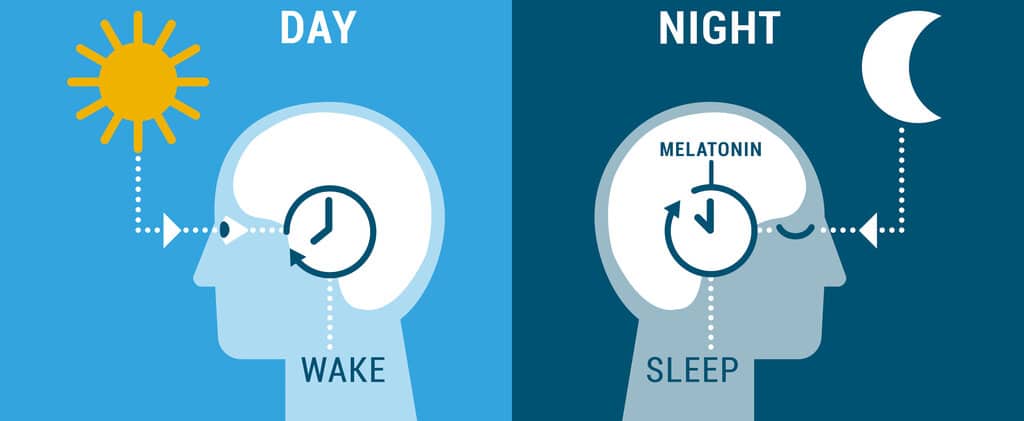
The circadian rhythm is the internal clock in charge of telling your body when to do certain things like when to sleep and when to wake up. It also influences other cycles like your hormones, digestion, and the absorption of nutrients from food. It runs on a 24-hour period that is in sync with the natural 24-hour periods occurring each time the earth rotates. Naturally, our bodies will fall into a circadian rhythm centered around sunrise and sunset, but there are also many other factors that can positively affect or unfortunately disrupt its patterns. These factors include:
Light and dark cycles and mealtimes are the most impactful outside factors that affect our circadian rhythm. Today, many people experience abnormal circadian rhythms due to things like artificial light, work, and social demands. Abnormal circadian rhythms can cause dysfunction in normal body cycles, confusing your body internally. Understanding your circadian rhythm allows you to support it through the make decisions you make, and in doing so support your body as a whole. Helpful tips to promote a normal circadian rhythm include:
Remember, the circadian rhythm also impacts our digestion and absorption of food! This makes it important to understand for the sake of our blood sugar. Our circadian rhythm influences our tolerance for glucose, which is a broken-down form of sugar, and because of that, we have a higher glucose tolerance in the morning than in the evening.
So, what does this mean? It means that our bodies can process and absorb larger amounts of glucose quicker and more easily during the first half of the day than the second half. This leads to more efficient blood sugar control. Because of this, eating meals earlier in the day can have a huge impact on your blood sugar regulation. Eating earlier in the day doesn’t mean you shouldn’t eat anything past noon… it just means you should try to move your mealtimes up and avoid eating late at night.
Now, you might be thinking this is a lot of talk about blood sugar, but how does blood sugar work? Every time you eat something it causes a spike in blood sugar, also known as blood glucose, as your body breaks down the food you ate and absorbs it. This is a good and natural process, but it can become a harmful thing when your blood sugar is constantly raised. Chronic high blood sugar can lead to conditions like type 2 diabetes. However, chronic high blood sugar, pre-diabetes, and type 2 diabetes are extremely common today.
Thinking about our current culture, people tend to wake up, skip breakfast, and then eat and snack during the second half of the day and late into the night. Our bodies aren’t able to manage higher blood sugar as effectively during this timeframe making this the perfect recipe for high blood sugar. In addition to this, chronic snacking keeps our blood sugar at elevated levels throughout the day. Naturally, our blood sugar spikes when we eat but then falls back into normal ranges in between meals. Snacking in between meals causes additional blood sugar spikes keeping it at continual raised levels and eliminating its natural cycle.
You may be asking what should you do with this information? It is important to understand your body and make lifestyle choices that promote its health and functioning. Understanding your body’s circadian rhythm gives insight into the importance of lifestyle choices including meal timing. Choosing to eat within the first half of the day puts your body at an advantage when it comes to managing blood sugar while eating full meals at regular times and minimizing snacking in between allows your body to go through normal blood glucose cycles. Overall, this leads to better blood sugar control and health habits.
A real-life model of living this out would be as simple as this:
Making lifestyle changes can be difficult, so give yourself grace and give it a try!
References
Mason, I. C., Qian, J., Adler, G. K., & Scheer, F. A. J. L. (2020). Impact of circadian disruption on glucose metabolism: implications for type 2 diabetes. Diabetologia, 63(3), 462–472. https://doi.org/10.1007/s00125-019-05059-6
Ali, M., Reutrakul, S., Petersen, G., & Knutson, K. L. (2023). Associations between Timing and Duration of Eating and Glucose Metabolism: A Nationally Representative Study in the U.S. Nutrients, 15(3), 729. https://doi.org/10.3390/nu15030729
Last updated: May 11, 2026
AZ Dietitians offers in-person and virtual appointments for Arizona clients. Now offering telehealth services for clients in Colorado, Utah, and California.
You've probably already heard of GLP-1 medications like Ozempic taking over the market. However, there is a new and...
Fasting can affect women differently depending on factors like age, activity level, hormonal health, and reproductive status. Learn what research says about intermittent fasting, PCOS, menstrual health, bone density, and more.

Could the ultra-processed foods you eat regularly be affecting your brain health? Learn about the potential connections between ultra-processed foods, memory, mood, inflammation, and cognitive health, along with simple ways to make more nutritious choices.

Wondering what to eat after gallbladder removal? Learn how your diet may need to change after surgery and get practical tips for supporting digestion as your body adjusts.