
The Importance of Breakfast: How Your Morning Meal Can Support Your Health
Breakfast is often called the most important meal of the day, but is there research to support that claim? While...


Last updated: February 5, 2026
If you have type 2 diabetes and have visited one of our registered dietitians, you likely already know what diabetes is, what affects it, and how to manage it. Sometimes we’re asked if supplements help lower blood sugar levels and other blood markers. The answer is YES! There are a couple of supplements that can help improve your lab values. However, before taking any supplements, it’s important to make sure you already:
1) Understand how to manage diabetes
2) Are managing your diet to improve your blood markers
3) Exercise regularly
4) Desire to get off of or stay off of diabetes medication
The supplements we’re recommending aren’t just any old multivitamin. Today we’re talking about two specific supplements that have been shown to improve diabetes along with a healthy diet through evidence-based research. Let’s dive in.
Berberine is a natural chemical found in certain plants. It has been used in Chinese medicine for thousands of years, specifically to aid with GI issues like diarrhea (1). In the 1980s, it was discovered that berberine also lowered blood sugar levels when it was given to patients with diabetes to treat their diarrhea (1). Since this discovery, berberine has been shown to help reduce blood sugar levels in people with diabetes. It also reduces cholesterol levels.
Berberine works by changing the function of the cells (2). One enzyme in particular that is not active in people with diabetes, gets activated when berberine enters the cell and minimally changes the process in which the cell functions (2). This change allows for the activation of that enzyme and thus helps to lower blood sugar levels (2).
One study comparing the effects of berberine versus Metformin showed that both had similar effects (3). The participants either took a berberine capsule three times a day with meals or metformin three times a day with meals (3). The people that took berberine had lower HbA1c levels, lower fasting and post-meal blood glucose levels, as well as lower triglyceride levels and total cholesterol (3). Due to the similarities of berberine supplements with the most commonly prescribed diabetes medication, taking a berberine supplement may be beneficial in preventing the future need for a diabetic drug.
While berberine shows promising effects, it should not be taken without consulting a medical professional first. Berberine may interact with some of the medications that you may already be taking. Certain drugs that are affected by berberine include Metformin, cyclosporine, and medications for high blood pressure just to name a few (4). Studies have not looked at long-term use of berberine beyond 6 months. If you are going to take it, we recommend talking to one of our dietitians for a regimen that fits you.
Another supplement that has shown promise in diabetes management is magnesium glycinate. This is the salt form of magnesium that helps manage blood magnesium levels by aiding in insulin and carbohydrate metabolism (5). Magnesium also functions as a calcium-channel blocker, meaning that it breaks down components that increase LDL, or “bad” cholesterol, and total cholesterol levels in the blood (5). It also regulates an enzyme that produces cholesterol, keeping cholesterol production controlled in the body (5).
Magnesium deficiencies are common among people with diabetes because high blood sugar levels increase the need for urination which in turn causes magnesium to be filtered out of the body (5). The daily recommended intake of magnesium is between 310–420 mg, which most Americans fail to eat through their diets (6). A magnesium deficiency may lead to insulin resistance, poor glucose transport and metabolism, and creates less glycemic control (6).
According to one study, increasing magnesium intake through a supplement while also eating more sources of magnesium lowered the risk of type 2 diabetes (7). Another study found that people with pre-diabetes who took enough magnesium to meet the daily recommended intake had reduced blood glucose and triglycerides while their HDL cholesterol and magnesium levels increased (6). Taking magnesium may be beneficial for those with diabetes as it aids in lowering blood sugar levels. Follow this link for our recommended magnesium supplements.
While both berberine and magnesium glycinate supplements have evidence suggesting that they are beneficial in treating diabetes, we recommend speaking to a professional before starting one of these supplements. It is important to watch out for any drug interactions that may occur with the use of these supplements. In addition, it is important to familiarize yourself with your body and identify what affects your blood sugar, both positively and negatively before considering the use of these supplements.
Reference List
Last updated: February 5, 2026
AZ Dietitians offers in-person and virtual appointments for Arizona clients. Now offering telehealth services for clients in Colorado, Utah, and California.
Breakfast is often called the most important meal of the day, but is there research to support that claim? While...

Pumpkin is more than a seasonal favorite! Packed with vitamins, minerals, fiber, and beneficial plant compounds, pumpkin flesh, seeds, and oil offer a variety of nutritional benefits. Discover how pumpkin can support your overall wellness and explore simple ways to enjoy this versatile ingredient in your everyday meals.
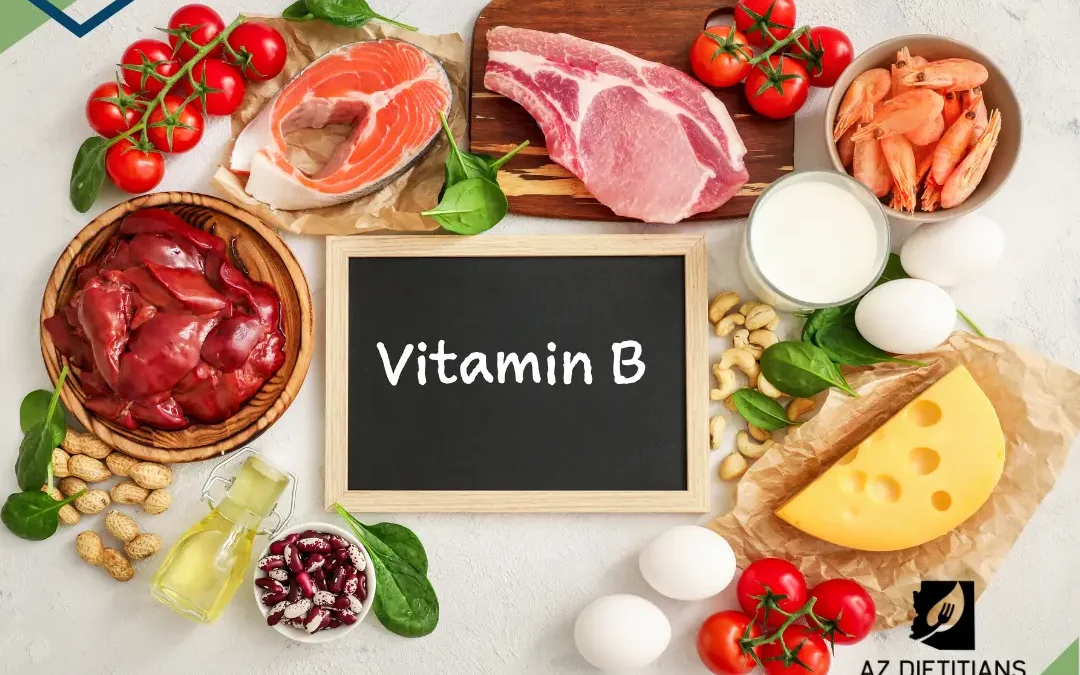
B vitamins play essential roles in energy production, metabolism, nerve function, and overall health. Discover the eight B vitamins, what each one does, and which foods can help you meet your nutritional needs.

Retatrutide is an investigational peptide generating excitement for its potential effects on weight loss, blood sugar, and metabolic health. Learn what current research says about how it works, how it compares to Ozempic, and important safety concerns to consider.