
The Importance of Breakfast: How Your Morning Meal Can Support Your Health
Breakfast is often called the most important meal of the day, but is there research to support that claim? While...

Last updated: February 5, 2026
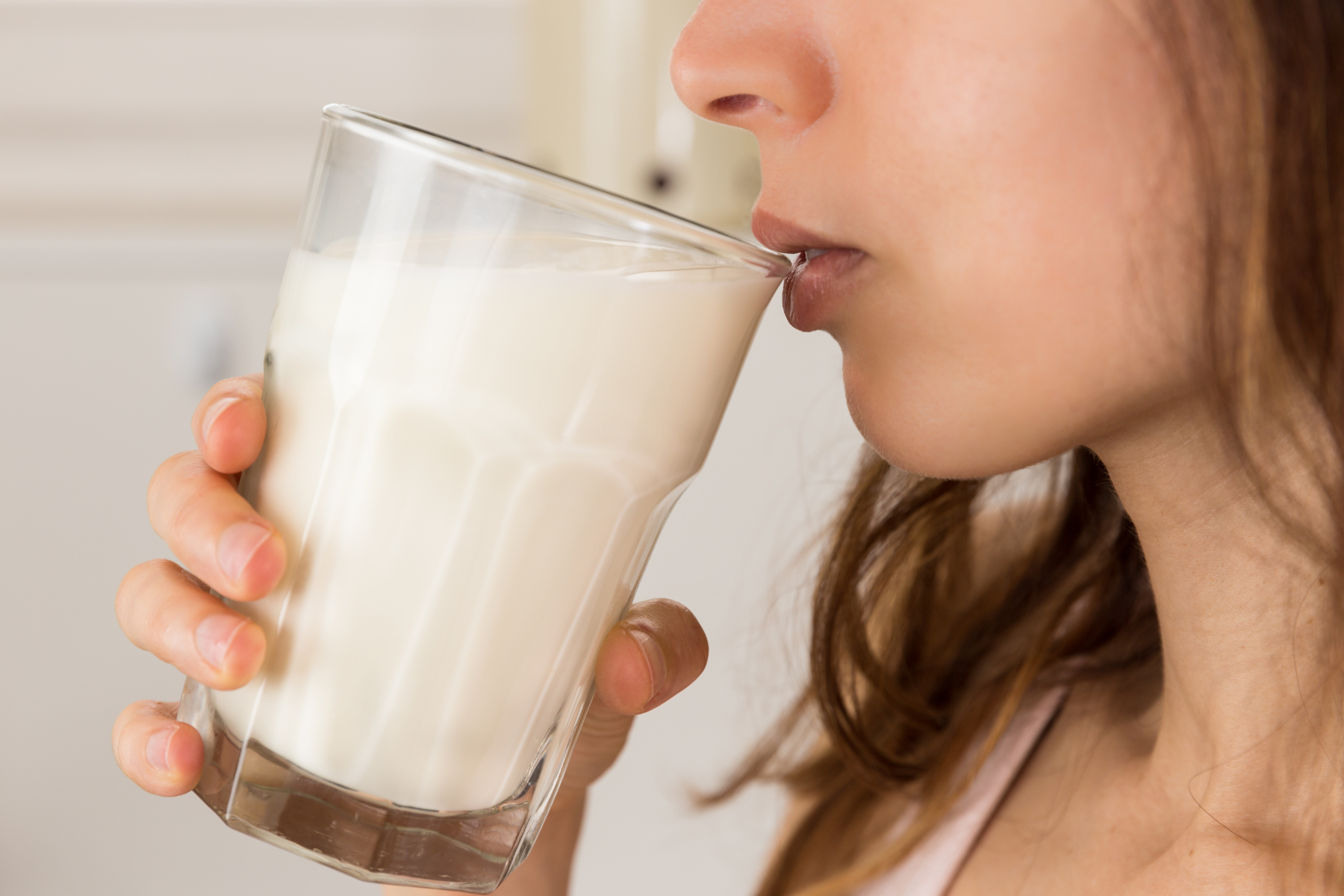
Have you been hearing about raw milk recently? It’s been growing in popularity recently as health and wellness influencers have been putting a spotlight on it. One of the reasons behind people opting for raw milk versus pasteurized milk is the appeal that it may offer more nutritional benefits than its counterpart. But is it actually safe to drink? Here is what our registered dietitians have to say!
Let’s start with the basics. Pasteurization is a process that involves gently heating milk to a specific temperature and holding it there for a set period. This process destroys harmful bacteria while preserving the milk’s nutritional value and flavor. It essentially creates a safety net for your milk, ensuring it’s safe to drink.
Unpasteurized milk is at a greater risk to be teeming with potentially dangerous bacteria like E. coli, Salmonella, and Listeria. By choosing pasteurized milk, you’re effectively eliminating the risk of these bacteria lurking in your dairy products. Ingesting raw milk that does contain these harmful bacteria leads to food-borne illness. As we know, food-borne illnesses can lead to a variety of unpleasant symptoms like diarrhea, nausea, and vomiting.
We all appreciate it when our groceries stay fresh for a longer period of time. Pasteurization extends the shelf life of milk, reducing food waste. With your milk lasting longer, you’ll be able to get your money’s worth rather than it going bad fairly quickly, which is the case for raw milk.
When it comes to nutrition, consistency is key. Pasteurization ensures that you get essential nutrients like calcium, vitamin D, and protein without the worry of contamination. This is particularly important for those who rely on milk for these nutrients, like growing kids, pregnant or breastfeeding moms, and people with dietary needs.
Now, let’s talk about the flip side – the potential risks of drinking unpasteurized milk. While some folks argue that it’s a healthier option, it comes with a few important downsides:
Unpasteurized milk can harbor harmful bacteria, which can lead to foodborne illnesses. Most people don’t want to experience the joy of symptoms like diarrhea, vomiting, and abdominal pain.
Certain groups are more vulnerable to these potential risks. Young children, the elderly, and those with weakened immune systems are at higher risk of severe illness if they consume raw milk. Pregnant women should also steer clear because of the potential risks to the developing baby.
The safety of unpasteurized milk depends on various factors like the health of the cow, milking conditions, and storage. It’s a bit like playing Russian roulette with your dairy. With pasteurized milk, you don’t have to worry about these variables.
So, what’s the bottom line here? Choosing pasteurized milk is not just a smart choice; it’s a safe one. It’s about reducing risks while enjoying all the goodness dairy has to offer.
Last updated: February 5, 2026
AZ Dietitians offers in-person and virtual appointments for Arizona clients. Now offering telehealth services for clients in Colorado, Utah, and California.
Breakfast is often called the most important meal of the day, but is there research to support that claim? While...
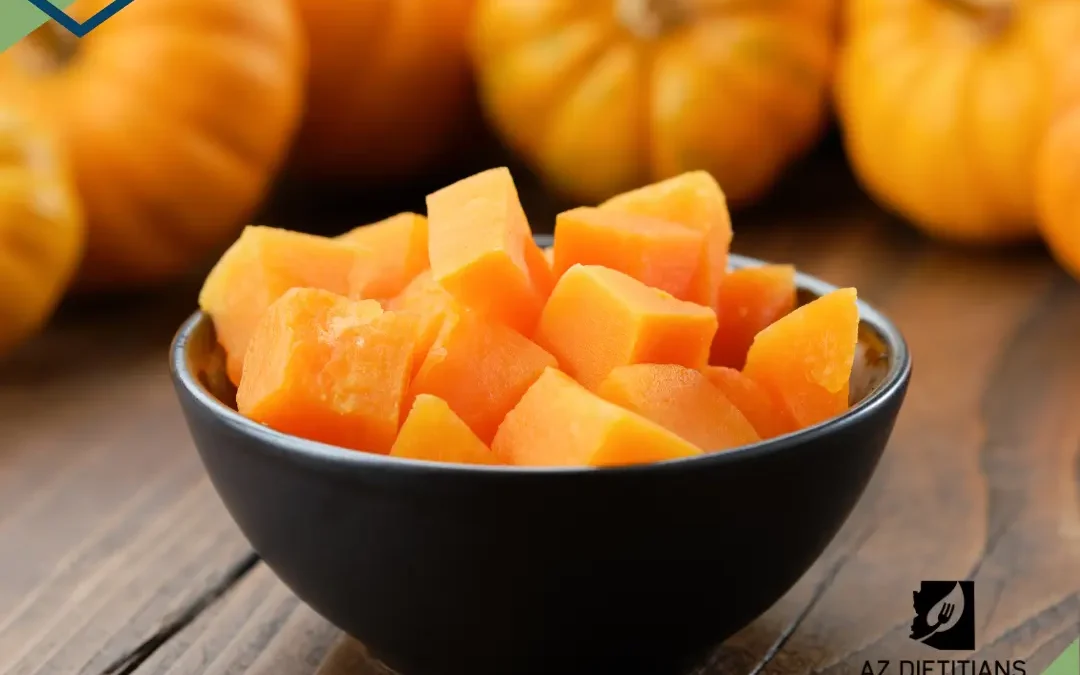
Pumpkin is more than a seasonal favorite! Packed with vitamins, minerals, fiber, and beneficial plant compounds, pumpkin flesh, seeds, and oil offer a variety of nutritional benefits. Discover how pumpkin can support your overall wellness and explore simple ways to enjoy this versatile ingredient in your everyday meals.
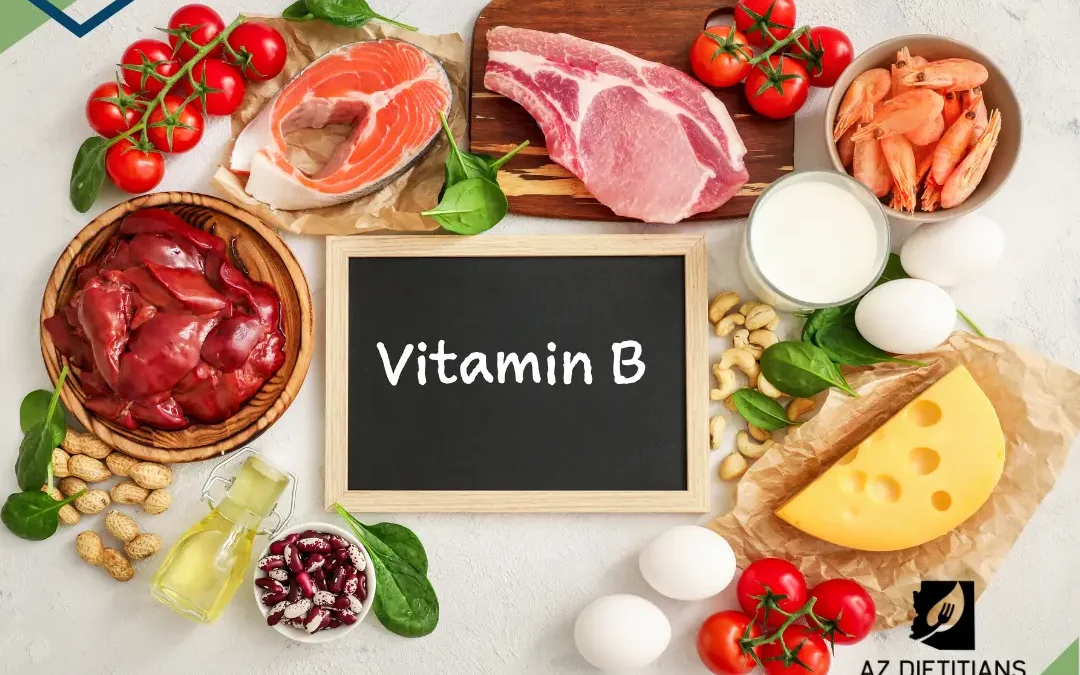
B vitamins play essential roles in energy production, metabolism, nerve function, and overall health. Discover the eight B vitamins, what each one does, and which foods can help you meet your nutritional needs.
Retatrutide is an investigational peptide generating excitement for its potential effects on weight loss, blood sugar, and metabolic health. Learn what current research says about how it works, how it compares to Ozempic, and important safety concerns to consider.