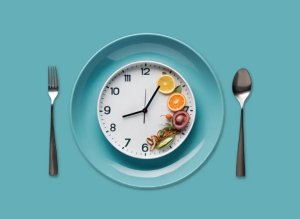
Fasting, particularly intermittent fasting, has become increasingly popular as multiple studies show various health benefits. However, research reveals that men and women can react to fasting very differently. Female bodies are biologically built to support the high energy demands of the reproductive system, making it much more sensitive to drastic dietary changes and energy deficits. Before you decide to jump on the fasting trend, let’s look at what the research has to say about how fasting impacts the female body.
The Hormone Connection: Where Metabolism Meets Reproduction
Current clinical studies have found that metabolic hormones and reproductive hormones work hand-in-hand to keep the body functioning properly (2, 3). Certain metabolic hormones, such as insulin, leptin, and ghrelin, regulate our appetite, our sense of fullness, and how our bodies distribute the energy provided by the food we eat (2). Meanwhile, reproductive hormones control ovarian function, regulate menstrual cycles, and prepare the body for pregnancy.
When metabolic hormones signal the body’s nutritional status to the brain, they directly communicate to the reproductive system how much energy is available to be used (2). An imbalance in these hormones can lead to multiple issues affecting heart health, diabetes risk, mental health, pregnancy outcomes, and menstrual cycle regularity (2, 3). With this in mind, you can imagine how closely correlated your diet is to your reproductive health.
Using Intermittent Fasting to Manage PCOS
For women with Polycystic Ovary Syndrome (PCOS), now referred to as Polyendocrine Metabolic Ovarian Syndrome (PMOS), certain fasting protocols can actually act as a therapeutic tool (4, 6). PCOS is essentially a complex hormonal imbalance, often characterized by higher levels of androgens (like testosterone) and insulin resistance.
What does this therapeutic protocol look like? Clinical studies have looked into intermittent fasting methods such as Time-Restricted Eating (TRE), which involves eating all meals within an 8-hour window each day. This protocol has been shown to help normalize menstrual cycles and promote ovulation in over 70% of PCOS patients after just six weeks (6).
The “why” behind this is tied to hormone regulation. Fasting actively lowers levels of testosterone and insulin, which are typically elevated in women with certain types of PCOS (4, 6). By improving insulin sensitivity and reducing the androgen hormones (such as testosterone), fasting can help restore the balance needed for regular ovulation and menstrual cycles (4).
The “Starvation Response” in Lean or Active Women
The female reproductive system requires a lot of energy to remain functional and healthy. When young, lean, or very active women fast, their bodies perceive the lack of food as a threat and it triggers a biological survival response. The body starts to preserve energy by dialing down the metabolism and suppressing the natural rhythm of the reproductive cycle. Simultaneously, the stress hormone (called cortisol) increases within the body to alarm the body (2, 3, 4). The suppressed reproductive cycle can manifest as a delayed or skipped menstrual cycle (2, 4).
Losing a period causes a drop in estrogen hormone. Over time, a premenopausal estrogen deficiency can have long-term, detrimental effects on your health, including decreased bone density, poor heart health, and negative impacts on mental well-being (2).
Brain Fog and Coordination
A recent study demonstrated that women’s brains and nervous systems react more strongly to short-term fasting than men’s. This particular study looked into a 48-hour fast and found that women experienced a temporary slowing of their fine motor skill (tasks requiring speed and accuracy), while men’s performance stayed unaffected (5).
This decline in performance is closely tied to the body’s stress response. The female body showed a stronger sympathetic nervous system activation (the “fight-or-flight” response) during the fast. This stress signaled the brain to shift heavily toward burning an alternative source of energy called ketones. While this conserves overall energy, it slightly slows down voluntary muscle responses to prevent the body from over-exerting itself. Interestingly, while detailed hand-eye coordination tasks slowed down, women did not lose any of their raw, maximal muscle strength (5).
Why Postmenopausal Women Shouldn’t Skip Meals
For women going through menopause or postmenopause, fasting and skipping meals might negatively impact bone density. After menopause, the natural breakdown of bone minerals increases drastically. However, every time we eat a meal, the gut releases hormones that signal the body to suppress this bone mineral breakdown. Because of this natural protective mechanism, researchers suggest that postmenopausal women should avoid skipping meals to help reduce the risk of fractures (1).
The Takeaway
Fasting is not a one-size-fits-all trend. For women, metabolic context is everything. If you are looking to manage PCOS or insulin resistance, intermittent fasting might be an excellent tool. However, if you are young, lean, highly active, or past menopause, chronic fasting can disrupt your hormonal rhythms, bone density, and fine motor coordination. Always listen to your body’s energy signals first!
References
(1) Abildgaard, J., Ploug, T., Pedersen, A. T., Eiken, P., Pedersen, B. K., Holst, J. J., Hartmann, B., & Lindegaard, B. (2021). Preserved postprandial suppression of bone turnover markers, despite increased fasting levels, in postmenopausal women. Bone, 143, Article 115612. https://doi.org/10.1016/j.bone.2020.115612
(2) Athar, F., Karmani, M., & Templeman, N. M. (2024). Metabolic hormones are integral regulators of female reproductive health and function. Bioscience Reports, 44(1), Article BSR20231916. https://doi.org/10.1042/BSR20231916
(3) Karimi, R., Yanovich, A., Elbarbry, F., & Cleven, A. (2024). Adaptive effects of endocrine hormones on metabolism of macronutrients during fasting and starvation: A scoping review. Metabolites, 14(6), Article 336. https://doi.org/10.3390/metabo14060336
(4) La Vignera, S., & Condorelli, R. A. (2026). Effects of intermittent fasting on male and female reproductive hormones, fertility, and sexual function: A comprehensive review with emphasis on the existing evidence gap in women. Nutrients, 18(11), Article 1817. https://doi.org/10.3390/nu18111817
(5) Solianik, R., Eimantas, N., Daugė, G., & Brazaitis, M. (2026). Sex-related differences in fine motor skills and muscle strength control during short-term fasting. Scientific Reports, 16, Article 4245. https://doi.org/10.1038/s41598-025-34354-z
(6) Waly, T. A., & Nugroho, B. S. (2025). The analysis study effect of intermittent fasting on female reproductive hormones and menstrual cycle: A comprehensive systematic review. The International Journal of Medical Science and Health Research, 9(5), 29–46. https://doi.org/10.70070/mrwarz94