Retatrutide Peptide
You've probably already heard of GLP-1 medications like Ozempic taking over the market. However, there is a new and...

Last updated: February 5, 2026
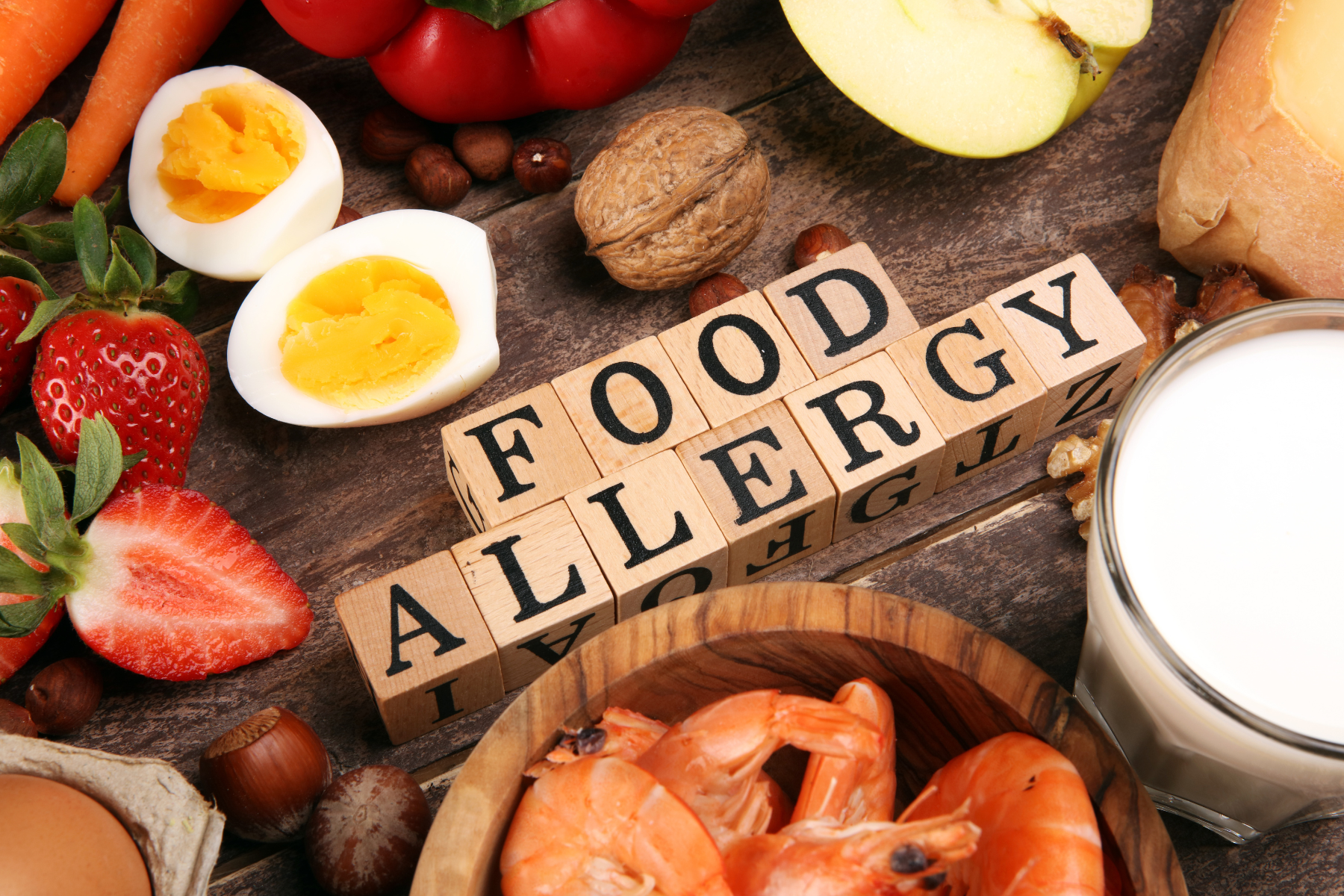
When the term ‘food allergies’ comes up, we might automatically start thinking of severe anaphylactic reactions, with the potential for life-threatening consequences. While these reactions indeed highlight the gravest side of food allergies, it’s essential to understand that allergic responses to food can manifest in various ways, ranging from mild discomfort to severe symptoms. In this blog post, we’ll dive into the varying nature of food allergies, explore their diverse symptoms, and understand their lasting impact on health.
Food allergies are not always as dramatic as depicted in the movies. Symptoms can be as minimal as a slight stomach ache, tingling in the mouth, or feeling lightheaded. However, they can also escalate dramatically, leading to swelling of the mouth and throat, difficulty breathing, and widespread rashes across the body. The severity of a food allergy reaction can vary significantly from person to person and even from one instance to the next.
Food allergy reactions can be unpredictable. If you’ve had a mild reaction to an allergen once, it doesn’t guarantee that your next encounter will be the same. Symptoms can ebb and flow, which is why it’s crucial to take every reaction seriously and seek professional guidance.
Food allergies are not just about immediate discomfort. They can lead to chronic health problems, including eczema, gastrointestinal issues, or chronic sinusitis. These conditions may persist long after the allergic reaction itself subsides, affecting an individual’s quality of life.
Perhaps lesser-known is the fact that ingesting food allergens triggers an immune response. This immune response, while necessary to protect the body from perceived threats, can inadvertently hinder the immune system’s ability to fight infection and disease in the future. This is another reason why allergies should never be taken lightly.
For many children, there’s hope of outgrowing food allergies, especially those to common allergens like milk, eggs, soy, and wheat. However, the outlook is less optimistic for adults. As we age, our immune systems tend to solidify their responses to allergenic foods, making it less likely for adults to outgrow their allergies.
Some individuals experience what’s known as exercise-induced food allergies. This happens when we engage in physical activity after eating a specific allergenic food. Symptoms may include hives, itching, or digestive distress during or after exercise. If this is the case for you, it is important to avoid consuming allergenic foods directly before exercise. These foods may still be tolerated on a regular basis without the experience of an allergic reaction.
Food allergies can lead to a spectrum of reactions, from the relatively mild to the life-threatening. Acknowledging the diversity of symptoms and their potential for chronic health issues is vital. If you or a loved one suspect a food allergy, seek professional help from an allergist. They can accurately diagnose allergies, provide guidance on managing them, and offer support for minimizing the impact on your life. If you need more guidance on avoiding these foods and finding alternatives, reach out to us! One of our dietitians would be happy to help.
Remember, understanding food allergies goes beyond anaphylaxis; it’s about safeguarding your health and well-being for the long haul.
Last updated: February 5, 2026
AZ Dietitians offers in-person and virtual appointments for Arizona clients. Now offering telehealth services for clients in Colorado, Utah, and California.
You've probably already heard of GLP-1 medications like Ozempic taking over the market. However, there is a new and...

Fasting can affect women differently depending on factors like age, activity level, hormonal health, and reproductive status. Learn what research says about intermittent fasting, PCOS, menstrual health, bone density, and more.

Could the ultra-processed foods you eat regularly be affecting your brain health? Learn about the potential connections between ultra-processed foods, memory, mood, inflammation, and cognitive health, along with simple ways to make more nutritious choices.

Wondering what to eat after gallbladder removal? Learn how your diet may need to change after surgery and get practical tips for supporting digestion as your body adjusts.