Understanding the B Vitamins
Understanding The B Vitamins by AZ Dietitians | 10/12/26 Ever wonder why there is so much emphasis on making sure we...

Last updated: September 25, 2026
Do you ever find yourself reaching for chips, soda, or packaged snacks without even thinking about it? These foods are often called ultra-processed foods, and while they may be convenient and tasty, they could be doing more than just satisfying your cravings. They may be impacting your brain.
Let’s break down what ultra-processed foods are and how they may affect your brain health.
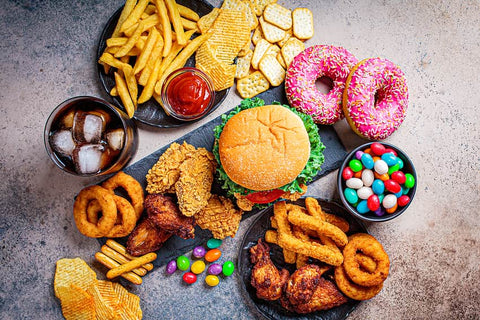
Ultra-processed foods are foods that have been heavily altered from their original form. They often contain added sugars, non-nutritious fats, sodium, and artificial ingredients. Examples include:
These foods are designed to taste good and be easy to eat, but they often lack important nutrients like fiber, vitamins, and healthy fats.
Recent research shows a strong link between ultra-processed foods and brain health. One large study found that for every 10% increase in ultra-processed food intake, there was a 16% higher risk of cognitive impairment (problems with memory and thinking) (ScienceDaily). This means that regularly eating high amounts of these foods may increase the risk of brain-related issues over time. While this doesn’t prove cause and effect, it does raise important concerns.
Ultra-processed foods are often high in sugar, unhealthy fats, and additives, which can lead to chronic inflammation in the body. This inflammation doesn’t just stay in the body, it can also affect the brain. Research suggests that these foods may disrupt the gut and increase harmful substances in the bloodstream. This can then trigger inflammation that impacts brain function (Daily Crunch). Over time, this may contribute to problems with memory, mood, and overall brain health.
Diets high in ultra-processed foods have been linked to higher rates of anxiety and depression (National Geographic). One reason may be that these foods lack key nutrients that support brain health, such as omega-3 fatty acids, vitamins, and antioxidants. Without these nutrients, the brain may not function at its highest capacity, which can affect mood and energy levels.
Ultra-processed foods are designed to be highly appealing. They often contain the perfect mix of sugar, fat, and salt, which can strongly activate the brain’s reward system. This can make you crave these foods more and prefer them over healthier options. Over time, this may lead to opting for these foods over whole foods, making it harder to choose balanced meals (American Council on Science and Health).
Your brain controls everything from your thoughts and memory to your mood and decision-making. What you eat plays a big role in how well your brain functions. While it’s okay to enjoy ultra-processed foods occasionally, regularly relying on them may increase the risk of long-term health issues, including cognitive decline and mental health challenges.
The goal isn’t perfection, it’s balance. Try focusing on more whole and minimally processed foods, such as:
Even small changes, like swapping chips for nuts or cooking one more meal at home each week, can support better brain health.
References
2. Health Crunch. (2025). How ultra-processed foods rewire your brain’s hunger circuits. Retrieved from https://healthcrunch.org
3. Jibrin, J. (2024). How ultra-processed food harms the body and brain. National Geographic. Retrieved from https://www.nationalgeographic.com
4. American Council on Science and Health. (2024). The impact of ultra-processed foods on the brain. Retrieved from https://www.acsh.org
Last updated: September 25, 2026
AZ Dietitians offers in-person and virtual appointments for Arizona clients. Now offering telehealth services for clients in Colorado, Utah, and California.
Understanding The B Vitamins by AZ Dietitians | 10/12/26 Ever wonder why there is so much emphasis on making sure we...

Retatrutide is an investigational peptide generating excitement for its potential effects on weight loss, blood sugar, and metabolic health. Learn what current research says about how it works, how it compares to Ozempic, and important safety concerns to consider.

Fasting can affect women differently depending on factors like age, activity level, hormonal health, and reproductive status. Learn what research says about intermittent fasting, PCOS, menstrual health, bone density, and more.

Wondering what to eat after gallbladder removal? Learn how your diet may need to change after surgery and get practical tips for supporting digestion as your body adjusts.