Retatrutide Peptide
You've probably already heard of GLP-1 medications like Ozempic taking over the market. However, there is a new and...

Last updated: February 5, 2026
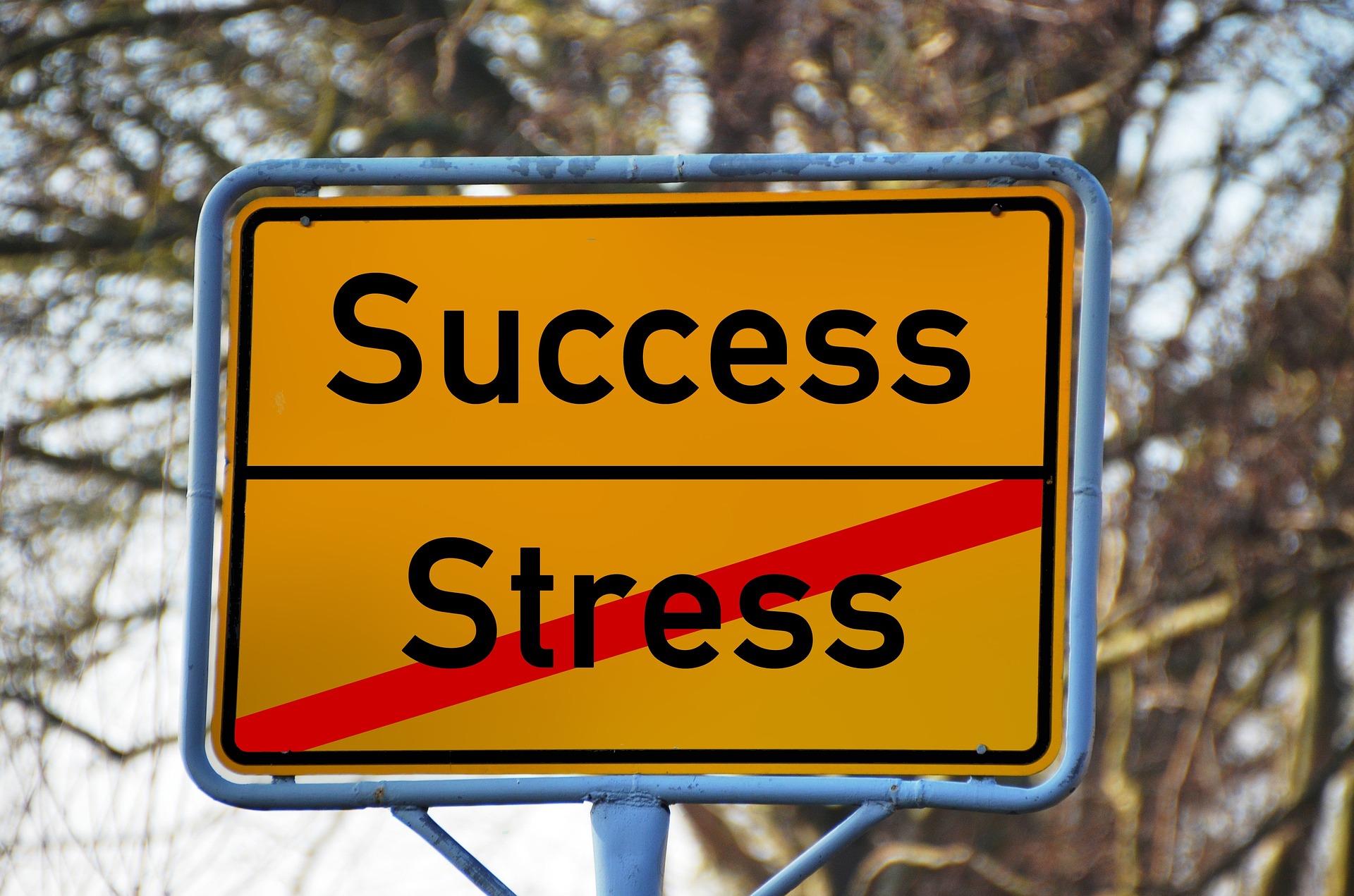
The holidays are in full-swing, COVID is still running rampant, family members from out of town might be driving you a little insane, the news channel is nearly always negative, and you are beginning to feel a little overwhelmed about your New Year’s Resolutions. So, let’s talk about how we can sideline stress and keep it from getting the best of us now and throughout the year!

Stressors – whether physical, such as a car accident, or psychological, such as constant worry about the effects of the pandemic – can trigger a cascade of hormones that causes our bodies to undergo the “fight-or-flight” response. We all know this feeling – sweaty palms, a rapid heartbeat, and an upset stomach. This natural bodily response can help us fight off a physical threat or flee to safety.
While this response may save our lives in the event of a physical threat, it is unhealthy for the body to undergo for long periods of time. When we are constantly bombarded by the psychological stressors of our day, our health can be negatively affected. In fact, long-term stress is linked to:
This is why it’s important to make sure our stress is under control. With that, we have some tips on how to decrease stress!
#1 Get outside and exercise! Exercise will have immediate benefits for calming anxiety, improving sleep and improving our mental function. Read to the end of the newsletter to see more on exercise.
#2 Eat a balanced diet. This one seems obvious, but it’s the first thing to go out the window when we’re stressed. Make a menu so that when stressful nights come, you still have a plan on what to cook. Plan to include whole grains, vegetables, fruits, lean protein, and legumes in your menu. It’s always a good idea to keep some easy-to-prepare or pre-made foods on-hand for those crazy nights. (See my Instagram for weekly quick meal ideas!)
#3 Laugh out loud. Find something that makes you laugh every day. Laughter lightens your mood and cools down your stress. You’d be surprised how much a meme can brighten your day!
#4 Write down stressors. Jotting down the things that stress you will help you to prioritize what to focus on right now and what to do later. Writing it down can help you to see how your load can be shared with others. Plus, having a list will help you figure out how and if you can do anything to handle the stressor. Maybe there’s a stressor that you cannot do anything about. If that’s the case, then is the stress helpful or harmful? Think on that.
#5 Talk to family and friends. Talking to loved ones can help distract you, lighten your mood, and provide support. In addition, forming deeper connections can help you from forming addictions.
#6 Get more rest. Our bodies recharge and renew during sleep. When we get enough sleep, our mood improves and so does our ability to tackle each day.
#7 Take breaks from watching the news. The news can be intense with everything going on in the world. Instead of watching or listening to the news, take breaks to enjoy a good book or a hobby instead. OR, find a way that you can help those mentioned in the news who need help, such as the influx of refugees from Afghanistan.
#8 Connect with your community or faith-based organization. Many faiths are meeting via zoom or practicing social distancing during meetings. Reach out to those in your organizations for support and help.
#9 See a counselor. A professional will help you figure out how to manage your emotions which will help you throughout this stressful time and others to come.
#10 Schedule time to relax. Here are some ways: get a massage, enjoy a hot bath, take time to stretch your muscles or even try a relaxation exercise. Here’s one that may help:
And, that concludes our list of 10 things to help reduce stress. Please let us know if there is any information you are interested in hearing more about. We are happy to help in any way we can.
Last updated: February 5, 2026
AZ Dietitians offers in-person and virtual appointments for Arizona clients. Now offering telehealth services for clients in Colorado, Utah, and California.
You've probably already heard of GLP-1 medications like Ozempic taking over the market. However, there is a new and...
Fasting can affect women differently depending on factors like age, activity level, hormonal health, and reproductive status. Learn what research says about intermittent fasting, PCOS, menstrual health, bone density, and more.
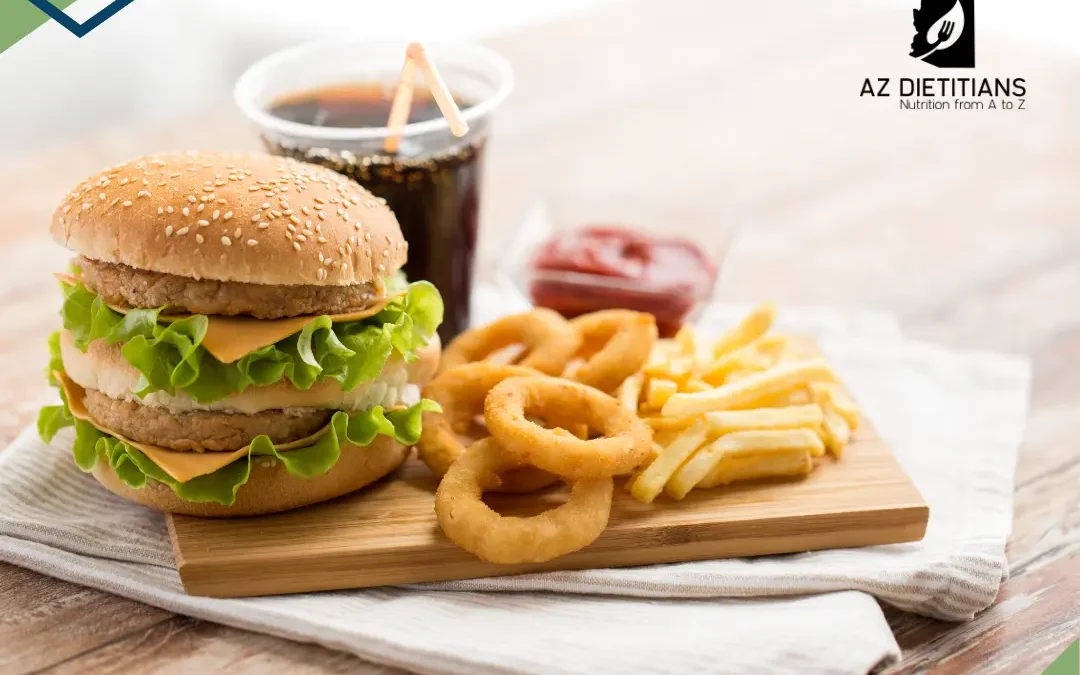
Could the ultra-processed foods you eat regularly be affecting your brain health? Learn about the potential connections between ultra-processed foods, memory, mood, inflammation, and cognitive health, along with simple ways to make more nutritious choices.

Wondering what to eat after gallbladder removal? Learn how your diet may need to change after surgery and get practical tips for supporting digestion as your body adjusts.