Retatrutide Peptide
You've probably already heard of GLP-1 medications like Ozempic taking over the market. However, there is a new and...

Last updated: February 5, 2026
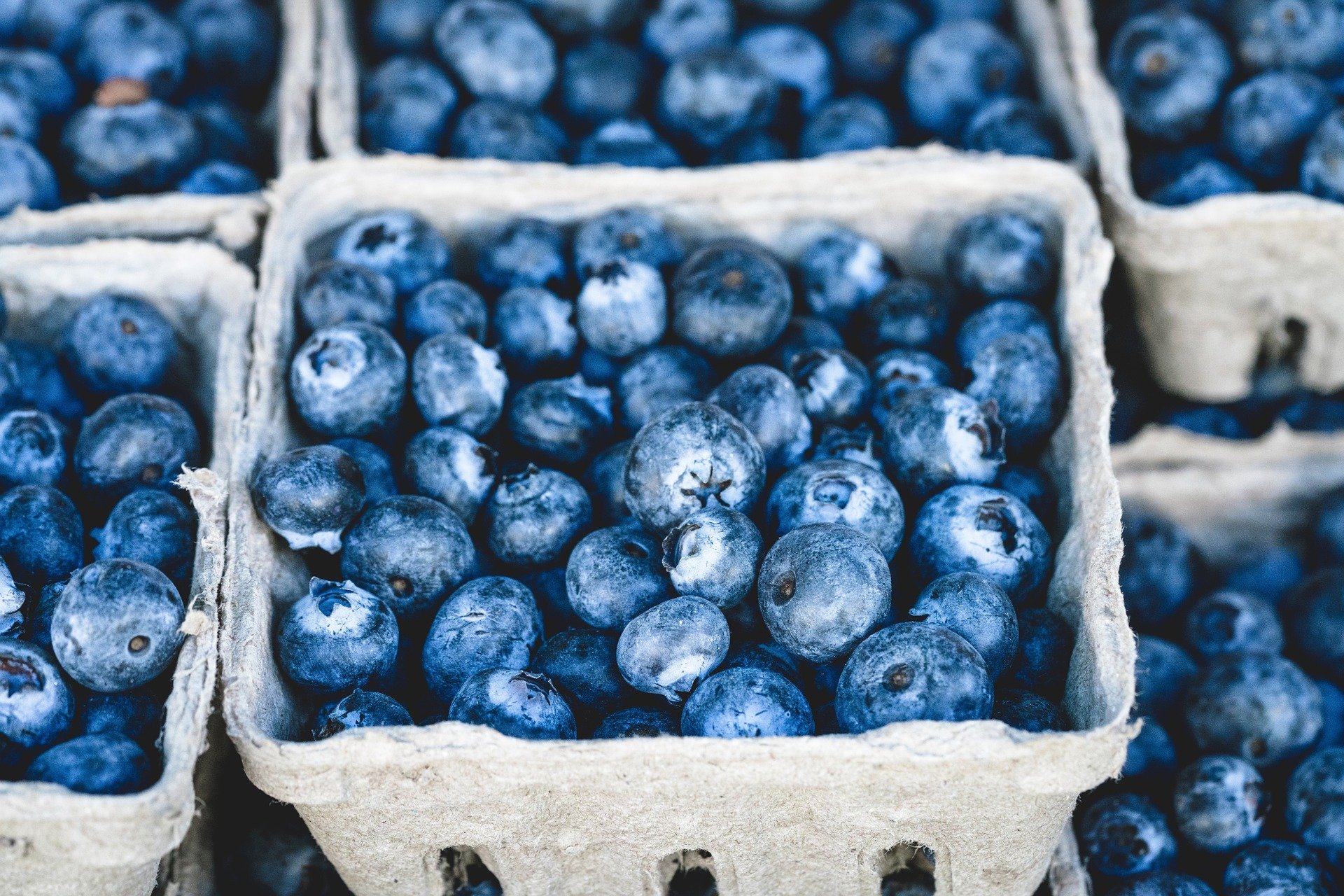
In July 2003, the United States Department of Agriculture proclaimed that July is National Blueberry Month. Since it’s the peak of blueberry season, this month is the perfect time to head to the store and pick up some of these delicious, nutrient-packed berries.
Blueberries are low in calories and high in nutrients. A 1-cup serving of blueberries contains 4 grams of fiber, Vitamin C, Vitamin K, and Manganese. Blueberries are also high in antioxidants. In fact, they are believed to have one of the highest antioxidant levels of all fruits and vegetables. Antioxidants protect your body from free radicals, unstable molecules that cause damage to your cells which can increase aging and cancer risk. The main antioxidants found in blueberries are anthocyanins. Evidence shows that blueberries directly increase antioxidant levels in the body.
Blueberries also have a high water content, and an entire cup contains only 84 calories, with 15 grams of carbohydrates. They make a great addition to oatmeal at breakfast or Greek yogurt for a snack. Try adding them to your diet to meet your daily recommended 2 servings of fruit per day.

Ingredients:
1 cup milk (can substitute soy, almond, or other plant-based milk)
1 cup rolled oats
1 ¼ cup all-purpose flour
1 tsp baking powder
½ tsp baking soda
½ tsp ground cinnamon
½ tsp salt
½ cup unsweetened applesauce
¼ cup stevia powder
1 large egg (room temperature)
1 tsp vanilla extract
1 cup fresh blueberries
Directions:
Last updated: February 5, 2026
AZ Dietitians offers in-person and virtual appointments for Arizona clients. Now offering telehealth services for clients in Colorado, Utah, and California.
You've probably already heard of GLP-1 medications like Ozempic taking over the market. However, there is a new and...

Fasting can affect women differently depending on factors like age, activity level, hormonal health, and reproductive status. Learn what research says about intermittent fasting, PCOS, menstrual health, bone density, and more.
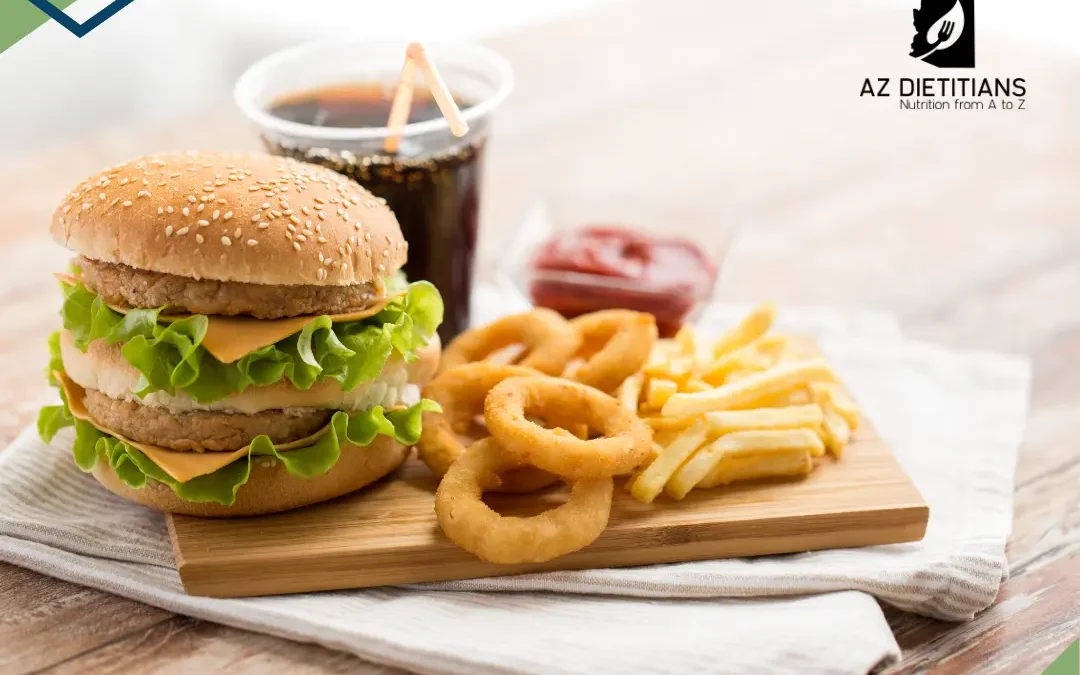
Could the ultra-processed foods you eat regularly be affecting your brain health? Learn about the potential connections between ultra-processed foods, memory, mood, inflammation, and cognitive health, along with simple ways to make more nutritious choices.

Wondering what to eat after gallbladder removal? Learn how your diet may need to change after surgery and get practical tips for supporting digestion as your body adjusts.